


5-Axis Nozzle Body for AC Waterjet Head Maintenance
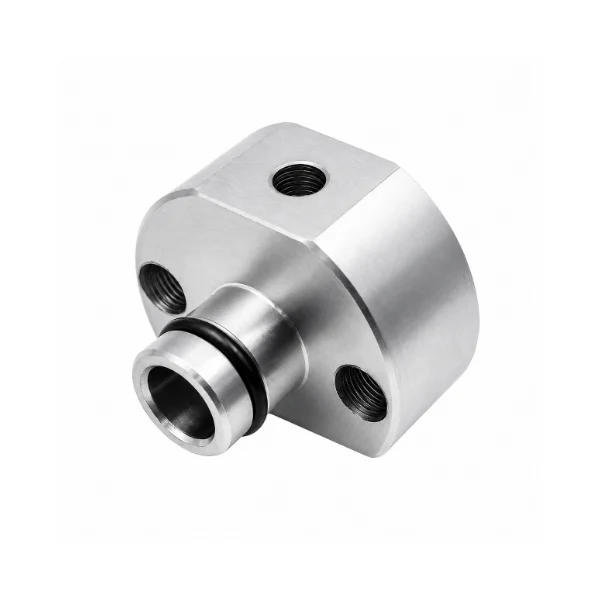
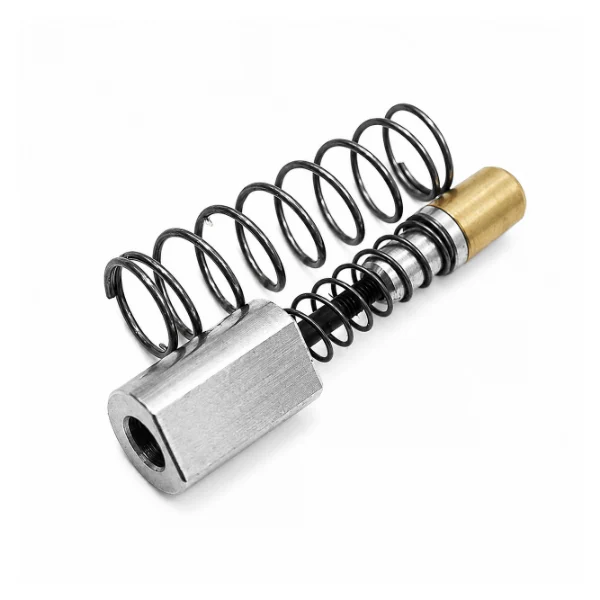
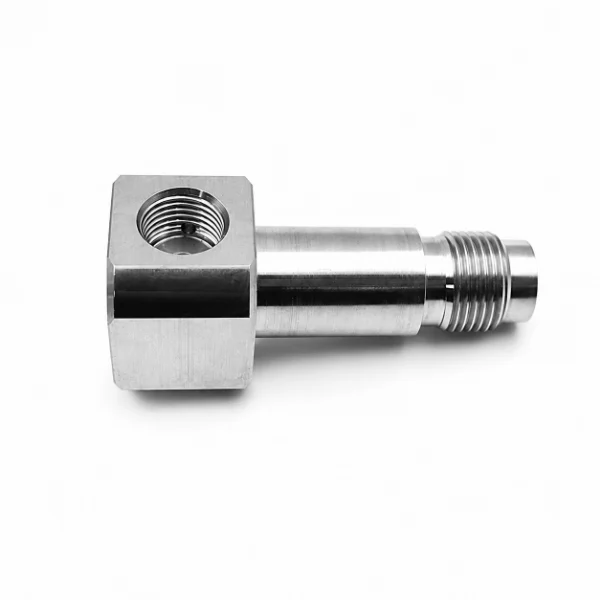
The 5-Axis Nozzle Body is a machined metal component intended for compatible AC-type multi-axis waterjet cutting head assemblies. Its design features a cylindrical body, an external threaded connection, and a square-ended section with an internal threaded opening. These features provide mechanical interfaces for installation with corresponding cutting head components. KAD supplies replacement nozzle bodies for waterjet equipment servicing, maintenance companies, and industrial parts distributors. Buyers can confirm suitability by comparing original component dimensions, connection specifications, and machine model information before ordering.
- Precision-Machined Nozzle Body
- External Threaded Connection
- Side Threaded Interface
- AC 5-Axis Head Applications
Share:


- Description
- Specification
- Application
- FAQS
AC-Type 5-Axis Nozzle Body for Cutting Head Connections
The 5-Axis Nozzle Body is a replacement component used in selected multi-axis waterjet cutting head configurations. Its mechanical structure provides connecting and locating features that must correspond to the original cutting head design.
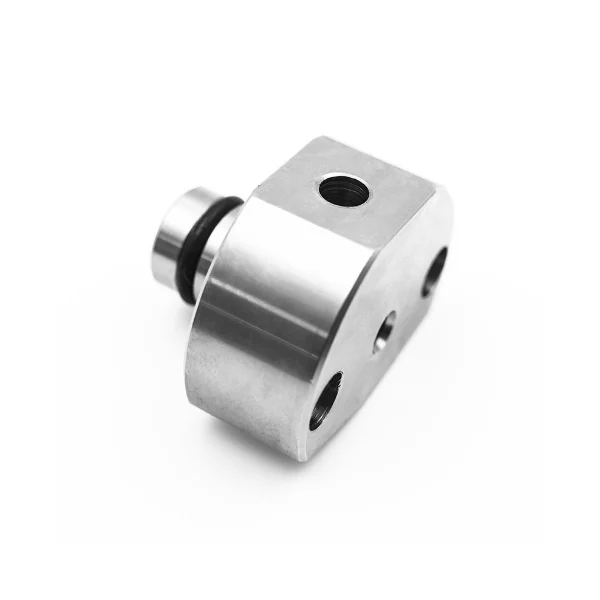
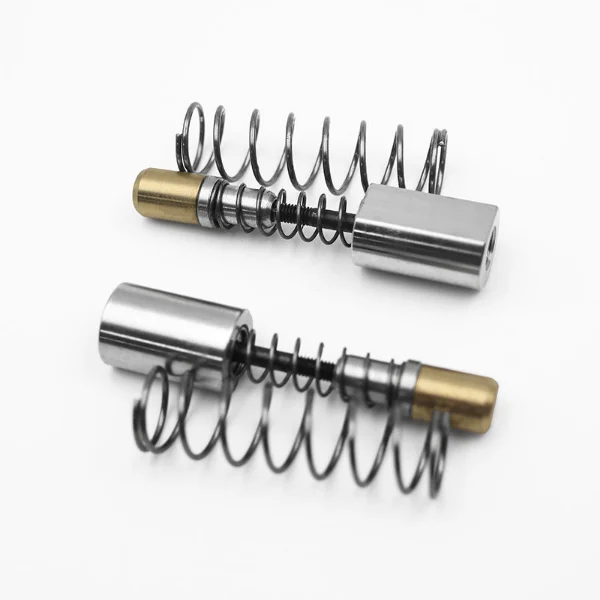
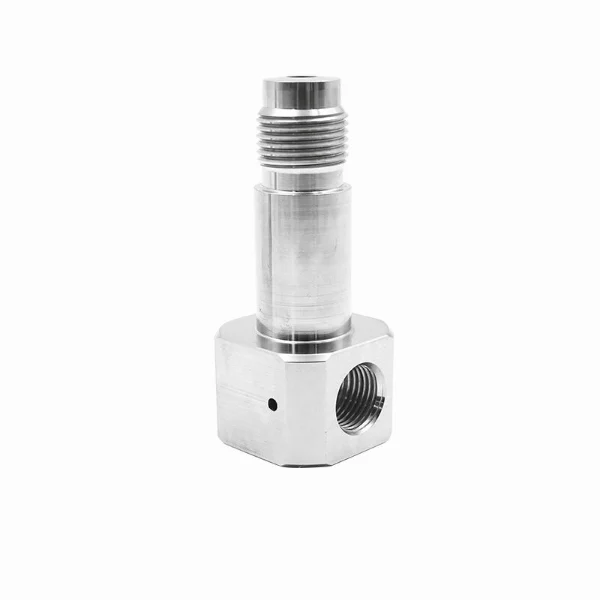
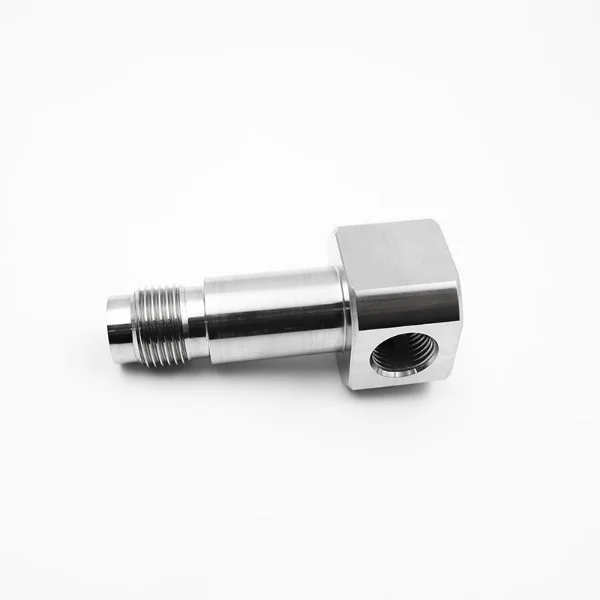
The illustrated component combines a cylindrical shaft section with a square-ended connecting block. A male threaded section is located near one end, while an internally threaded opening is visible on the side of the block.
These separate connection interfaces are important when identifying a replacement component because the mounting requirements can differ from those of conventional straight nozzle bodies.
Correct replacement selection requires checking the equipment model, original part number, thread dimensions, overall length, and the configuration of adjacent components.
Key Features of the 5-Axis Nozzle Body
01. External Threaded Connection
The machined male thread provides a connection interface for a corresponding component within the cutting head arrangement. Thread diameter, pitch, and engagement length must match the original design.
02. Square-End Connection Block
The square-ended section includes flat external faces and a threaded opening. Its shape and dimensions must correspond to the intended installation position and mating components.
03. Cylindrical Body Construction
The elongated cylindrical section connects the two end features into a single machined component. Overall length, outer diameter, and locating shoulders are important for replacement matching.
04. Multi-Interface Replacement Design
The combination of external and internal threaded features makes accurate interface identification essential. Replacement selection should be based on the complete component drawing rather than external appearance alone.
Understanding the Threaded Connection Design
Unlike a simple cylindrical nozzle housing, the illustrated five-axis component has distinct connection features at different positions.
External Male Thread
The external threaded section provides one of the visible mechanical connection points. Its thread specification and usable engagement length should be verified before installation.
Side Internal Thread
The square-ended block contains an internally threaded opening. This feature requires verification of thread size, orientation, and the intended mating component.
Cylindrical Locating Surfaces
The smooth cylindrical sections and shoulders may act as installation or locating references, depending on the cutting head design.
Overall Component Orientation
The relative position of the side opening and threaded end must match the original component arrangement. Similar-looking parts with different interface orientations should not be considered interchangeable.
The exact fluid-flow function of each opening should be established from the approved technical drawing or equipment documentation.
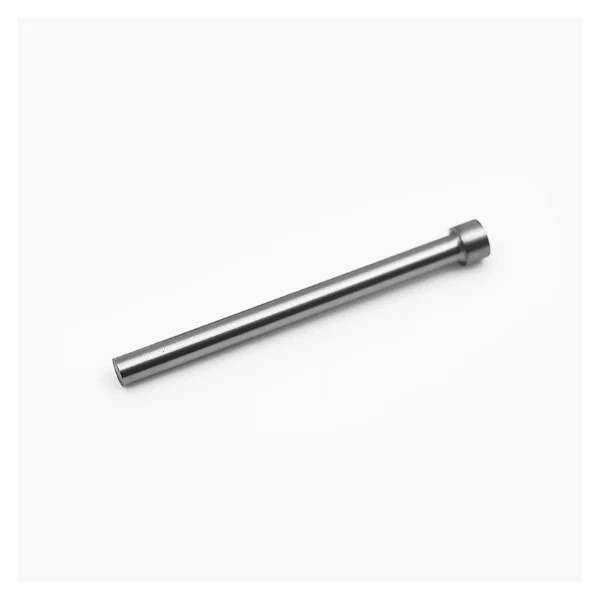
5-Axis Nozzle Body vs. Connecting Rod
Although these parts may appear together in a five-axis cutting head product catalog, they are not necessarily interchangeable.
A nozzle body is generally associated with the positioning, housing, or mounting of nozzle-related components within a cutting head assembly.
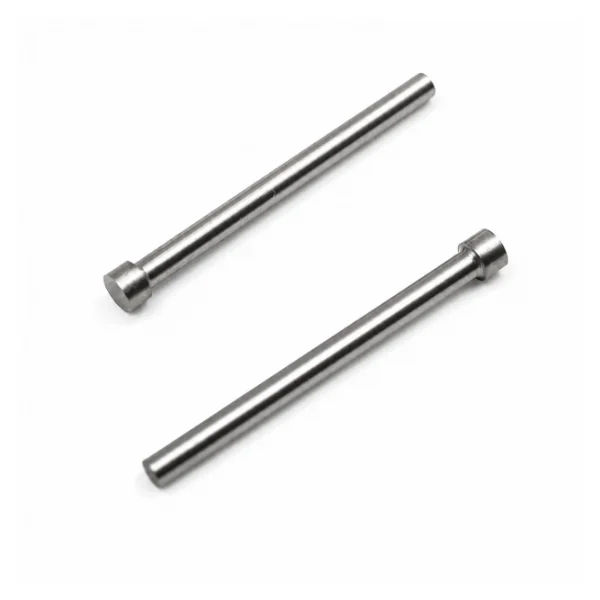
A connecting rod may serve a different mechanical or structural connection function, depending on the equipment configuration.
The distinction matters when replacing an individual part because the original manufacturer may use separate part numbers, materials, and assembly requirements.
Buyers should confirm the product designation through the equipment parts list rather than relying only on the external shape.
How to Identify the Correct Replacement Nozzle Body
Before purchasing a replacement, compare the component with the original equipment specifications.
Step 1: Confirm the Cutting Head Configuration
Identify whether the equipment uses an AC-type five-axis cutting head and record the exact manufacturer and model.
Step 2: Verify the Original Part Reference
Check the maintenance manual, component drawing, or removed part for a reference number.
Step 3: Compare Threaded Interfaces
Measure the male and female threads, including diameter, pitch, and engagement dimensions.
Step 4: Review Body Dimensions
Check overall length, cylindrical diameters, square-block dimensions, and locating surfaces.
Step 5: Confirm Mating Components
Compare the nozzle body with the corresponding cutting head components to identify possible interface differences.
Step 6: Verify Material and Operating Requirements
Confirm the required material grade, pressure-related specifications, and any applicable installation instructions.
Installation and Maintenance Considerations
A damaged or incorrectly matched nozzle body can create assembly difficulties and may affect the positioning of surrounding cutting head components.
During maintenance, inspect the threaded sections for damaged threads, deformation, or signs of improper engagement.
Check the internal threaded opening and external locating surfaces for visible wear, scratches, corrosion, and contamination.
If the component has been removed following a cutting head malfunction, examine the mating parts before deciding which items require replacement.
Installation should follow the original equipment manufacturer's instructions for assembly orientation, sealing arrangements, tightening procedures, and safety inspection.
Why Choose KAD?
| Item | Specification |
|---|---|
| Product Type | 5-Axis Waterjet Cutting Parts |
| System Type | AC 5-Axis Waterjet Machine |
| Function | Jet formation & motion transmission |
| Working Pressure | Up to 60,000 PSI / 420MPa |
| Cutting Type | Pure / abrasive waterjet |
| Material | Stainless steel / alloy steel / tungsten carbide |
| Manufacturing Process | CNC multi-axis precision machining |
| Application | Industrial 5-axis waterjet systems |
1. AC-Type 5-Axis Cutting Head Maintenance
Replacement assessment for compatible AC-type multi-axis waterjet cutting heads during scheduled servicing or component repair.
2. Nozzle Body Connection Replacement
Used when an existing nozzle body requires replacement because of damaged threads, worn connection features, or other confirmed component defects.
3. Threaded Interface Repair Projects
Suitable for maintenance projects requiring identification and replacement of nozzle-related components with specific male and female threaded interfaces.
4. Multi-Axis Cutting Head Refurbishment
Can be evaluated during cutting head refurbishment when the original component dimensions and interface configuration are available.
5. Industrial Waterjet Spare Parts Distribution
A replacement parts category for distributors supplying nozzle-related components to industrial waterjet users and service providers.
6. Drawing-Based Replacement Component Procurement
Maintenance purchasers can provide component drawings or reference samples when an exact replacement requires dimensional verification.
1. What is a 5-axis nozzle body used for?
A 5-axis nozzle body is a component used in compatible multi-axis waterjet cutting head assemblies. Depending on the specific design, it provides mechanical interfaces for connecting, locating, or supporting nozzle-related components. Its exact function should be confirmed from the original equipment documentation.
2. What is the difference between an AC 5-axis nozzle body and a connecting rod?
A nozzle body and a connecting rod may perform different functions within a cutting head arrangement. A nozzle body is generally associated with nozzle component installation, while a connecting rod may serve a structural or mechanical connection role. Buyers should verify the original part number before treating the two as equivalent.
3. How do I confirm the correct thread sizes for this nozzle body?
Refer to the original component drawing or measure the thread diameter, pitch, and engagement length using suitable inspection tools. Both the external male thread and the side internal thread should be checked against the mating components.
4. Can this nozzle body fit all 5-axis waterjet cutting machines?
No universal compatibility should be assumed. Five-axis cutting heads can use different connection geometries, dimensions, and part specifications. The exact machine model, original part number, and mounting details must be confirmed before ordering.
5. When should a 5-axis nozzle body be replaced?
Replacement may be required when inspection identifies thread damage, deformation, cracks, severe corrosion, or damaged mating surfaces beyond the original equipment manufacturer's allowable limits. The surrounding parts should also be checked to determine whether other components require attention.
6. What details are needed for a bulk replacement quotation?
Please provide the cutting head manufacturer and model, original part number, required quantity, male and female thread specifications, component dimensions, and photographs or drawings. KAD can review these details before confirming suitable supply options.