




Waterjet Abrasive System
KAD provides waterjet abrasive system components to the industrial abrasive waterJet cutting equipment such as abrasive hopper, mixing chamber, inlet tubes and control valves. These components are for abrasive storage, feeding, flow control and delivery to the cutting head. We cooperate with owners of water jet devices, with service and distributive companies to identify suitable replacement parts. Customers can send a model, reference part numbers, technical drawing or product dimensions to verify the specifications and make an inquiry to the manufacturer for bulk orders.
-

Abrasive Feed & Mixing Components
-
Replacement Parts & Compatibility Support
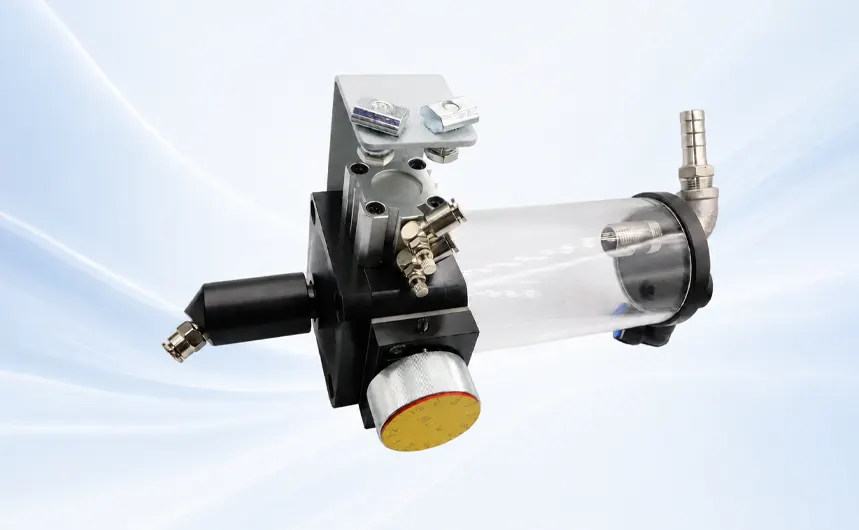
Abrasive Feed & Mixing Components
Explore KAD's selection of abrasive feeding and mixing components for industrial waterjet cutting systems. Our product range includes abrasive hoppers, flow-control valves, abrasive inlet tubes, and mixing chambers. These parts perform different functions within the abrasive delivery path, from storing garnet abrasive to introducing it into the cutting head. Buyers can identify suitable replacements using equipment models, component dimensions, and original part numbers.
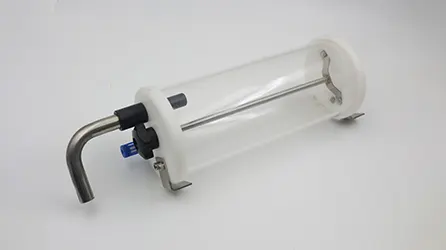
Abrasive Hopper
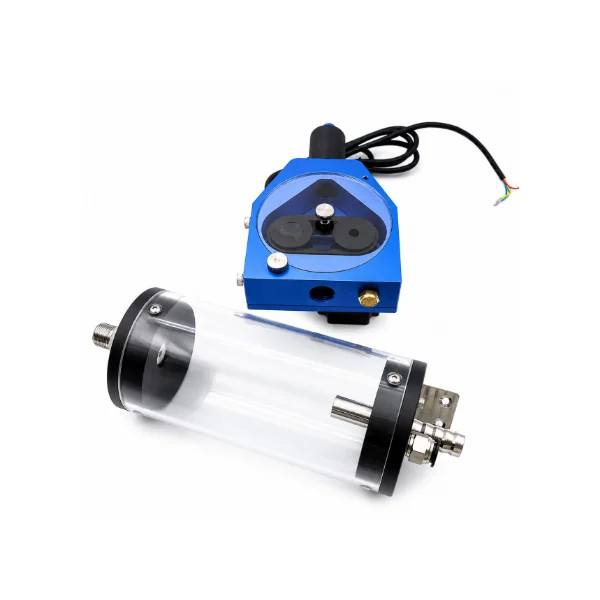
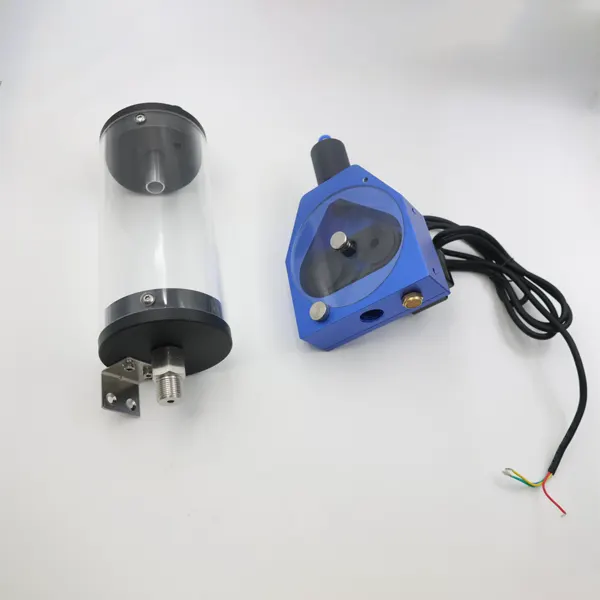
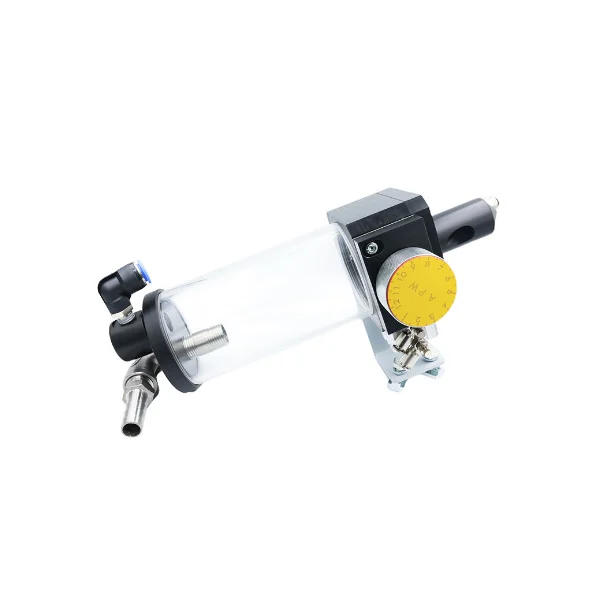
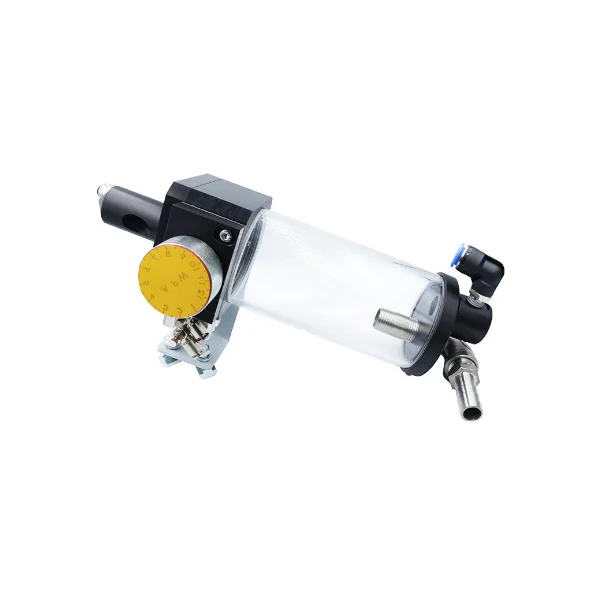
Abrasive hoppers store garnet abrasive and supply it to the feeding system during waterjet cutting. Hopper selection depends on storage capacity, outlet configuration, feeding mechanism, and equipment compatibility. KAD offers replacement hopper components for selected waterjet systems.
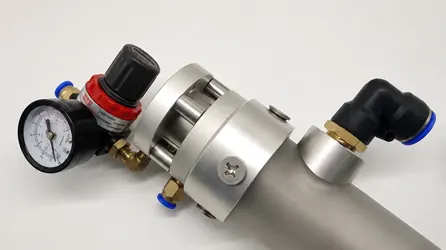
Abrasive Control Valve
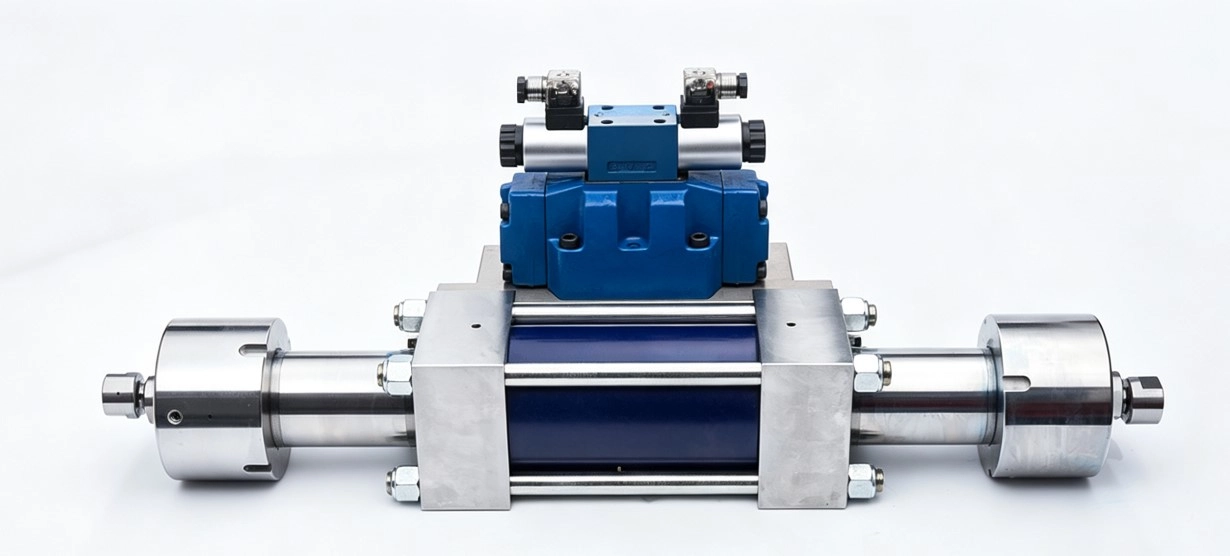
Abrasive control valves regulate the delivery of garnet abrasive in waterjet feeding systems. Depending on the valve design, they may control abrasive flow through pneumatic or electrically operated mechanisms. Replacement valves should be matched to the original assembly, control method, and connection specifications.
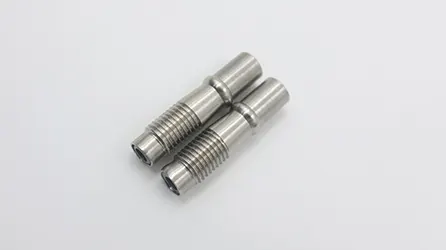
Abrasive Inlet Tube
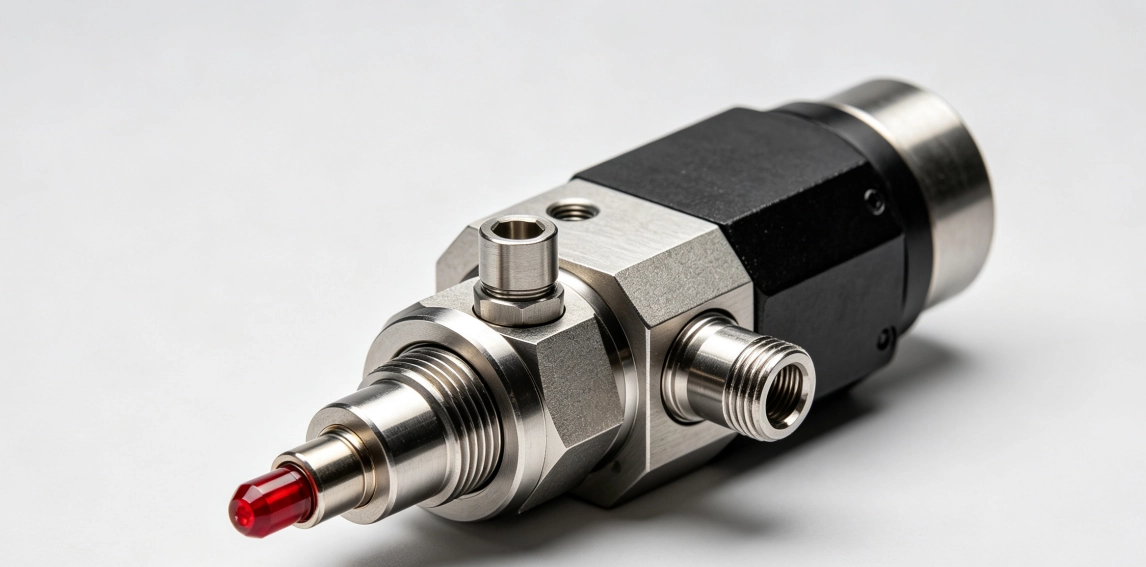
Abrasive inlet tubes provide a passage for abrasive particles entering compatible cutting head mixing chambers. Correct dimensions, connection geometry, and mounting fit are important for reliable installation. Buyers should confirm the cutting head model and original component specifications before ordering.
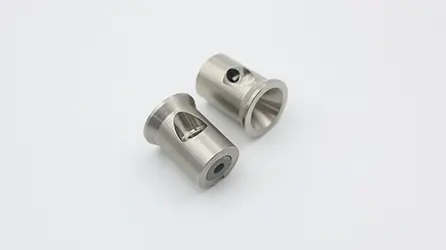
Waterjet Mixing Chamber
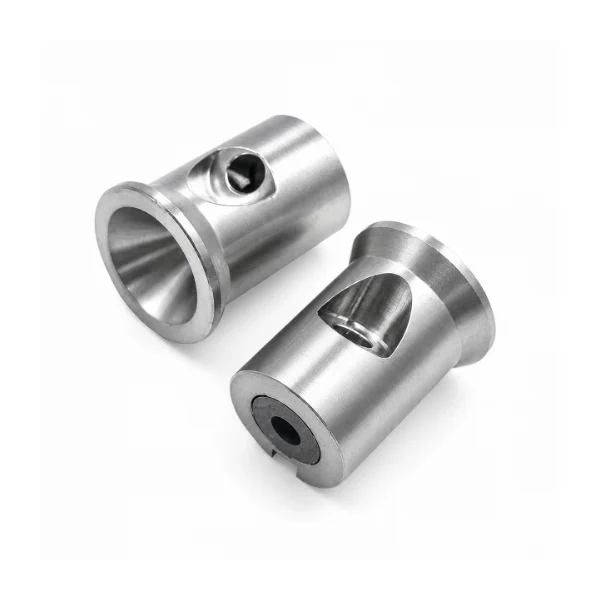
The mixing chamber is a critical part of an abrasive waterjet cutting head. It provides the area where abrasive particles are drawn into the high-velocity water stream before the mixture passes through the focusing tube. Replacement chambers must match the cutting head design, inlet configuration, and associated components.
Why Choose KAD for Abrasive System Parts?

Abrasive Feed Component Selection
KAD provides components for abrasive storage, flow control, and delivery within compatible waterjet cutting systems.

Wear-Related Component Requirements
Parts exposed to moving abrasive particles require suitable material selection, dimensional accuracy, and surface condition.

Replacement Part Compatibility
Our team reviews equipment models, reference part numbers, and technical drawings to help customers identify suitable replacement components.

Factory-Direct Supply
KAD supports maintenance companies, industrial buyers, and waterjet parts distributors with replacement component sourcing and bulk order inquiries.
Abrasive Component Quality Inspection
| Component / Inspection Item | Inspection Method | Typical Tolerance / Accuracy | Purpose |
| Hopper Connection Dimension | Dimensional inspection | ±0.02mm | Ensures proper system installation |
| Abrasive Valve Flow Channel | CMM inspection | ±0.01mm ~ ±0.02mm | Maintains stable abrasive control |
| Valve Sealing Surface | Surface measurement | ±0.01mm | Prevents abrasive leakage |
| Sand Inlet Tube Inner Diameter | Precision measurement | ±0.01mm | Ensures consistent abrasive flow |
| Mixing Chamber Position | CMM inspection | ±0.01mm | Maintains accurate abrasive mixing |
| Abrasive Inlet Alignment | Dimensional inspection | ±0.02mm | Improves mixing efficiency |
| Surface Roughness | Roughness testing | Ra 0.4–0.8μm | Reduces flow resistance |

The above tolerance values represent typical manufacturing capability under controlled production conditions. Actual tolerance requirements may vary depending on component design, material characteristics, structural complexity, and customer specifications. contact us
Materials for Abrasive Feed & Mixing Components
Material requirements vary between abrasive hoppers, control valves, inlet tubes, and mixing chambers. Components exposed to abrasive particles must be evaluated for wear resistance, dimensional stability, and compatibility with their operating conditions. Structural and control components may require different materials and manufacturing processes. KAD reviews material specifications according to the component design, reference part, and customer requirements.
- PEEK
- PTFE
- Aluminum 6061
- Aluminum A5052
- A1100
- Aluminum Alloy 2A12
- Brass
- Copper(CU)
- Magnesium Alloy
- Zinc Alloy (Zn)
- Aluminum 3003
- Aluminum A5056
- A2017
- Copper Alloy C3604
- Aluminum Alloy 5000
- AL1070
- Aluminum Alloy AL2024 / A2024-T6
- Aluminum Alloys AL7075 / 7050 / 7451
- Imported Aluminum Alloy 5083
- Imported Aluminum Alloy 6082
- Imported Aluminum Alloy 7075
- Imported Aluminum Alloy 6061-T561
- AL1060
- C2801P-1/2H
- C1020P
- A7072
- A7000
- C1100
- A2014
- Aluminum Alloy 7000
- Titanium Alloy
- 7075
- A2011
- A2024
- A7050
- 11SMn30
- PEEK
PEEK
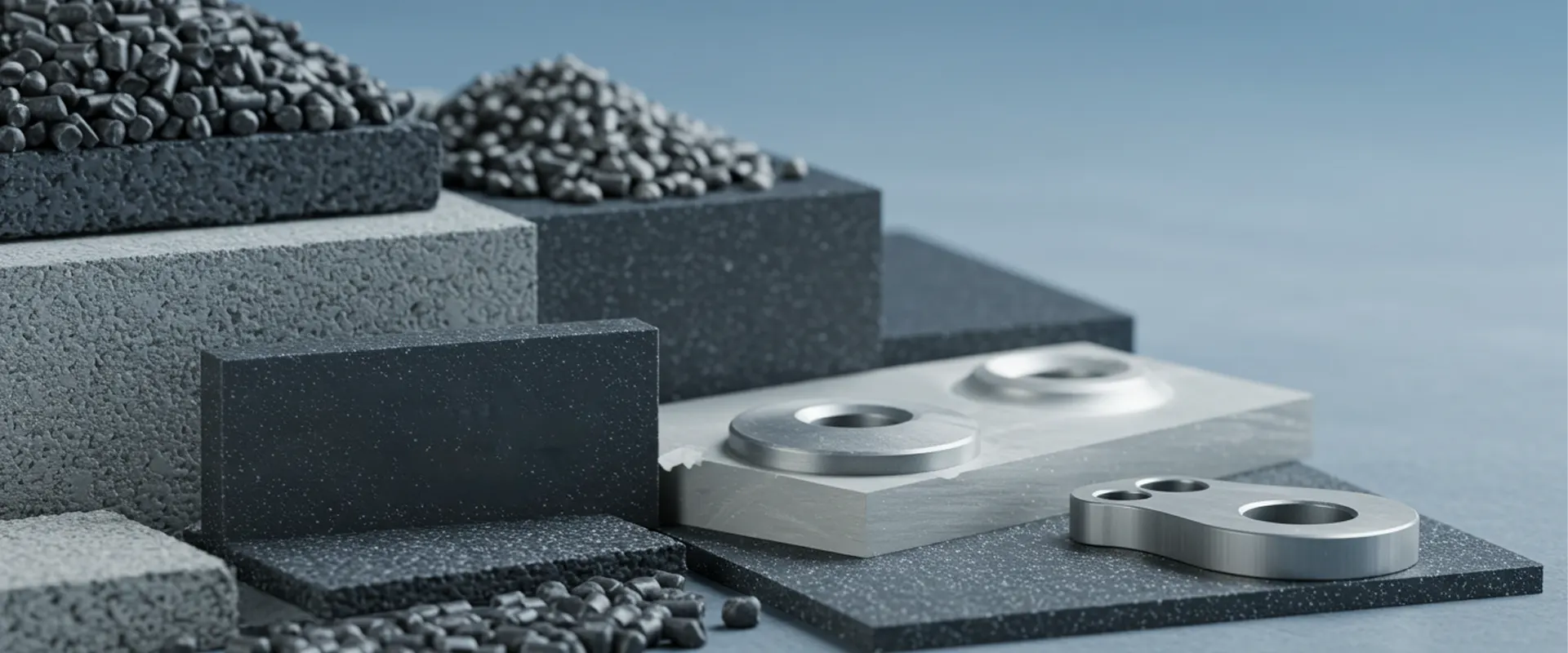
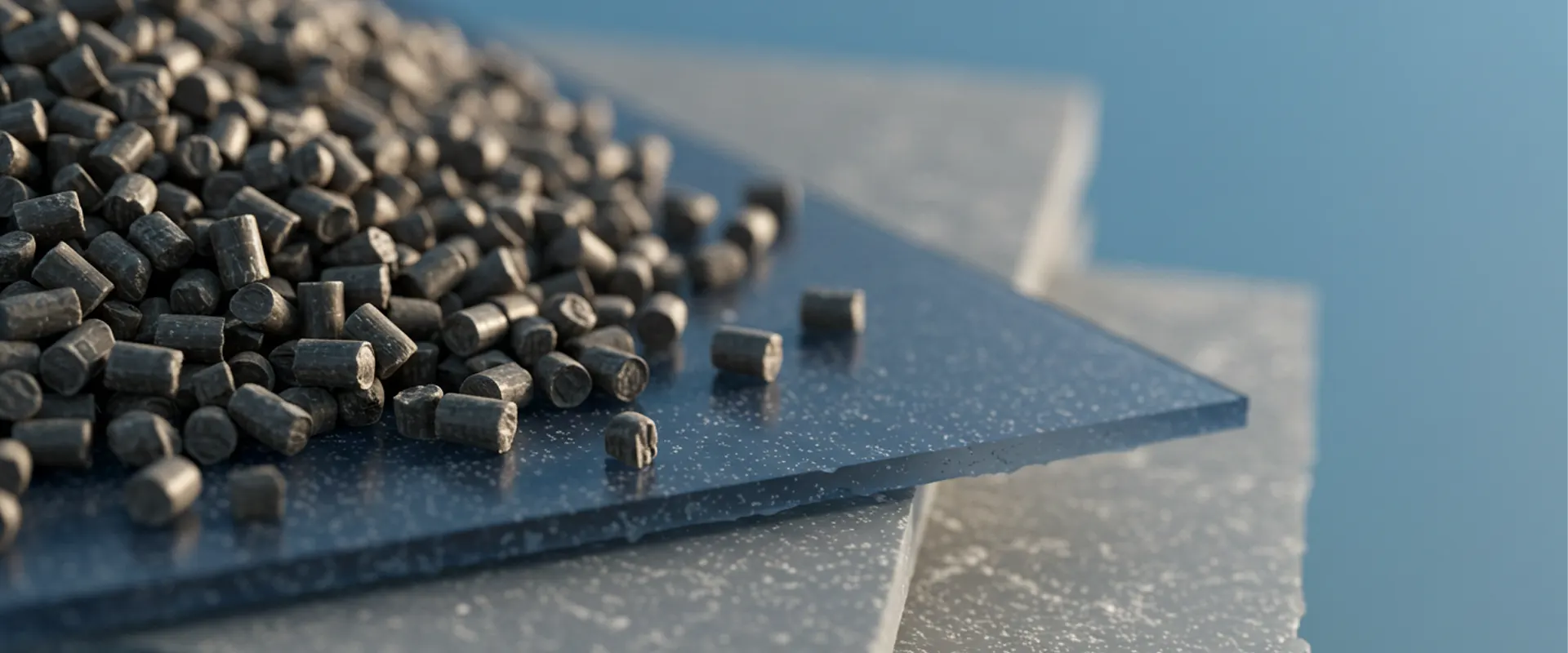
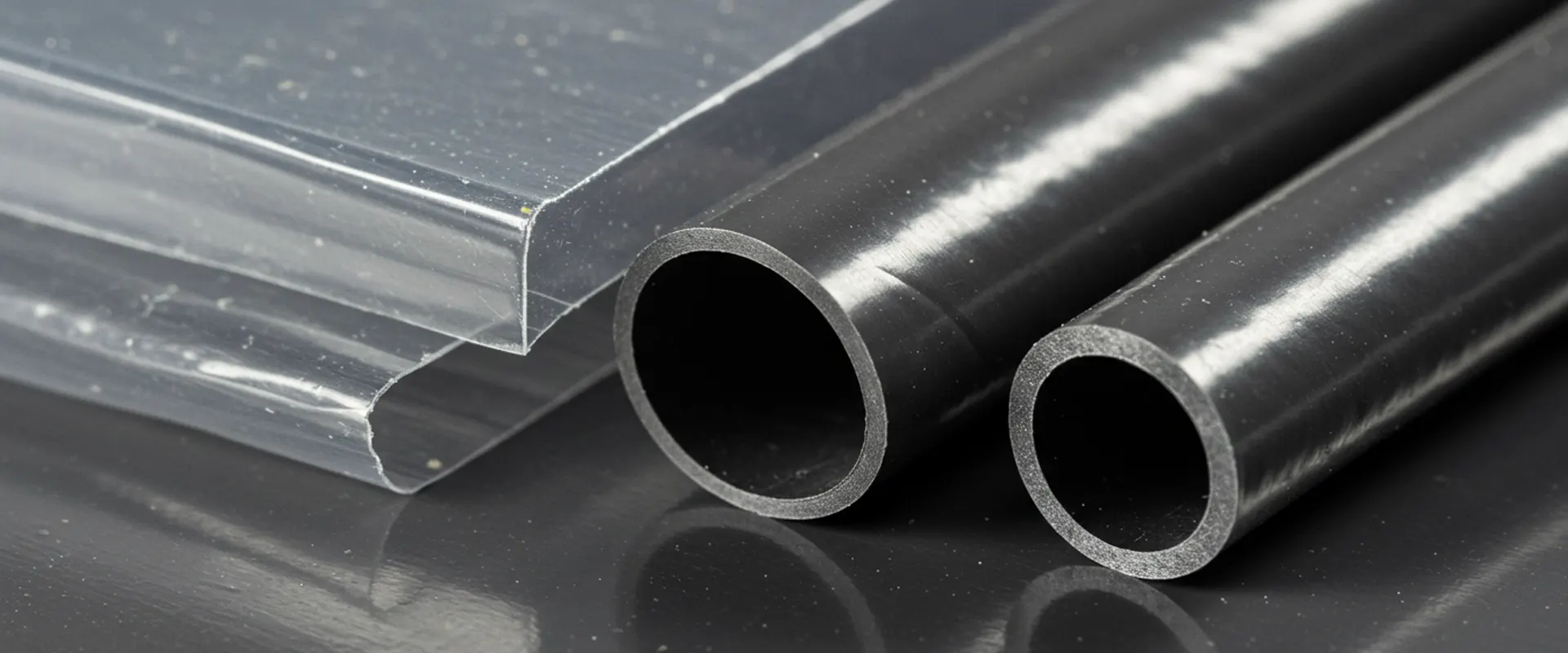
PEEK is a high-performance thermoplastic with exceptional strength, chemical resistance, and heat resistance. It is ideal for demanding applications in aerospace, medical, and electronics.
Density:
1.4 g/cm³
Chemical Resistance:
Excellent
- PTFE
PTFE
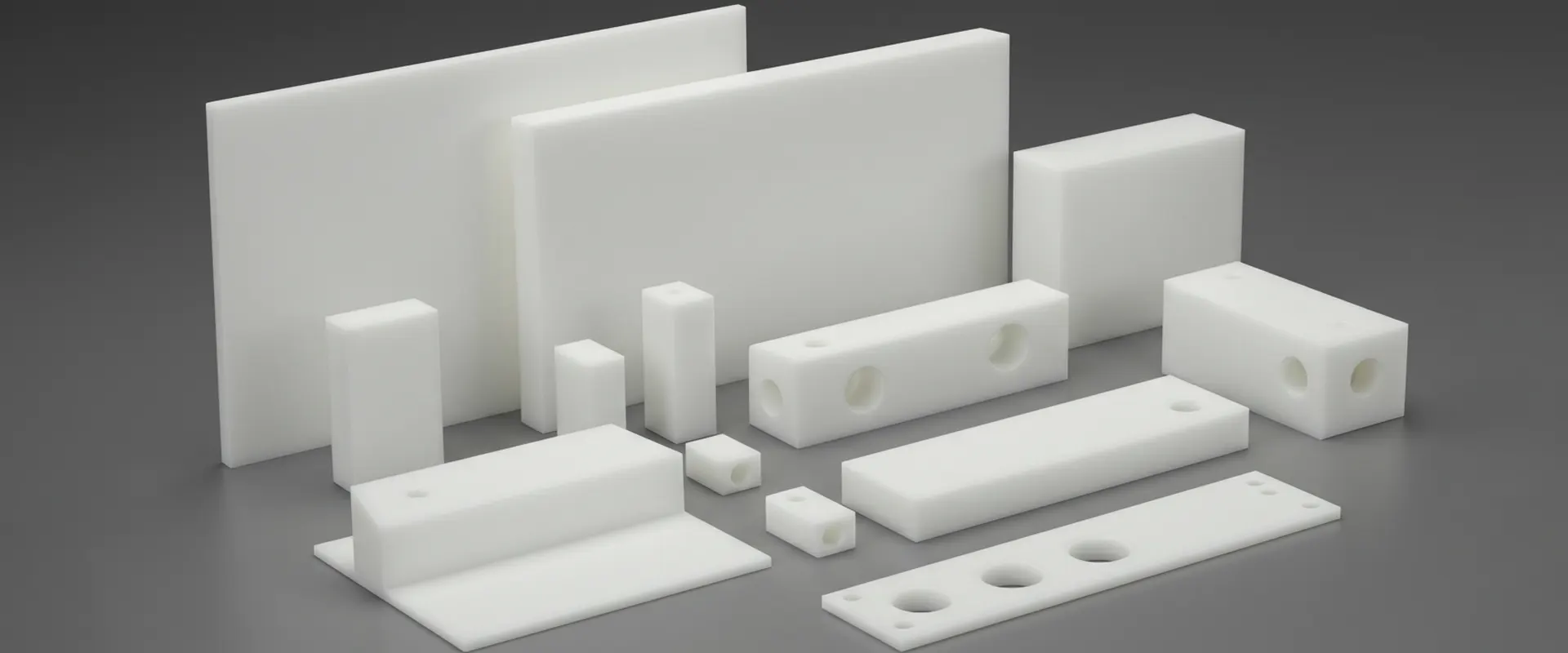
PTFE, commonly known as Teflon, is a high-performance fluoropolymer with excellent chemical resistance, low friction, and high temperature stability. Widely used in chemical, electrical, and sealing applications.
Density:
2.3 g/cm³
Chemical Resistance:
Excellent
- Aluminum 6061
Aluminum 6061
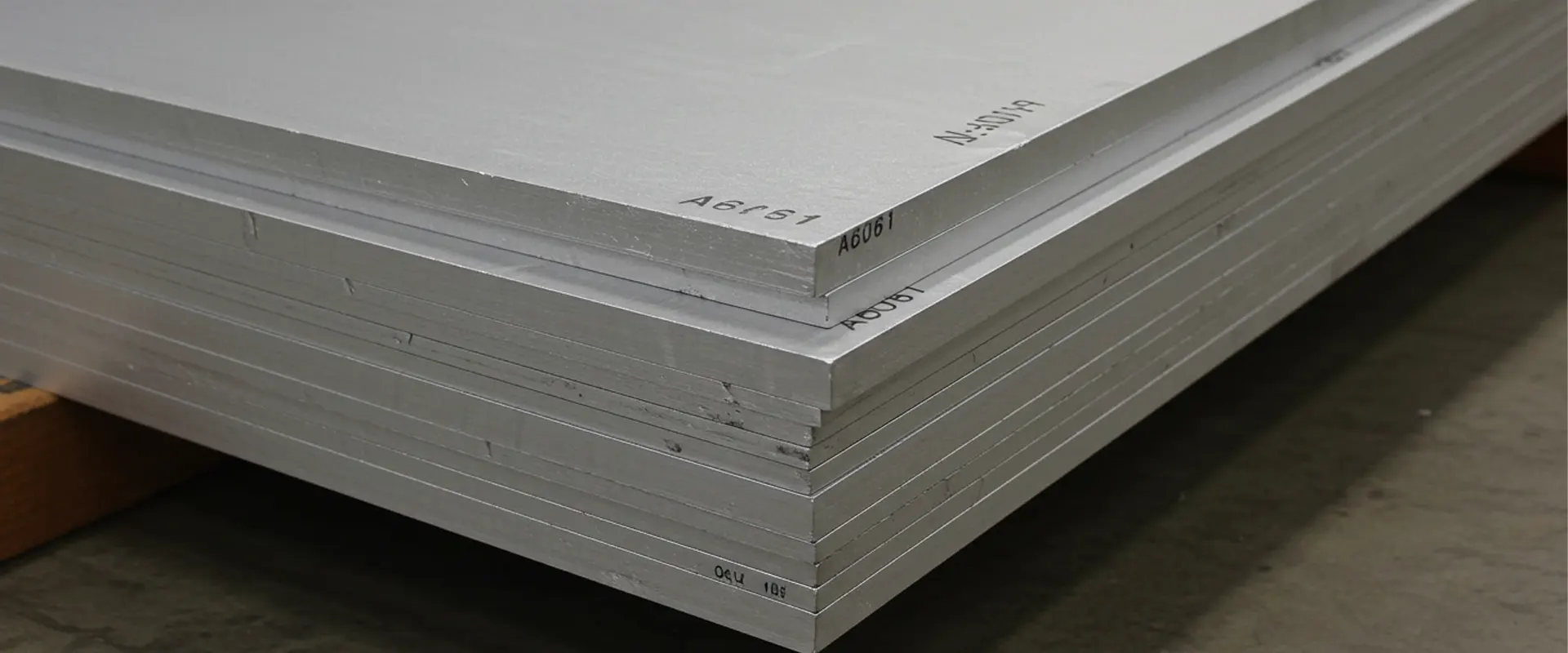
Aluminum 6061 is a versatile, lightweight alloy known for good mechanical properties, corrosion resistance, and excellent weldability. It is widely used in structural components, aerospace, automotive, and general engineering.
Density:
2.8 g/cm³
- Aluminum A5052
Aluminum A5052
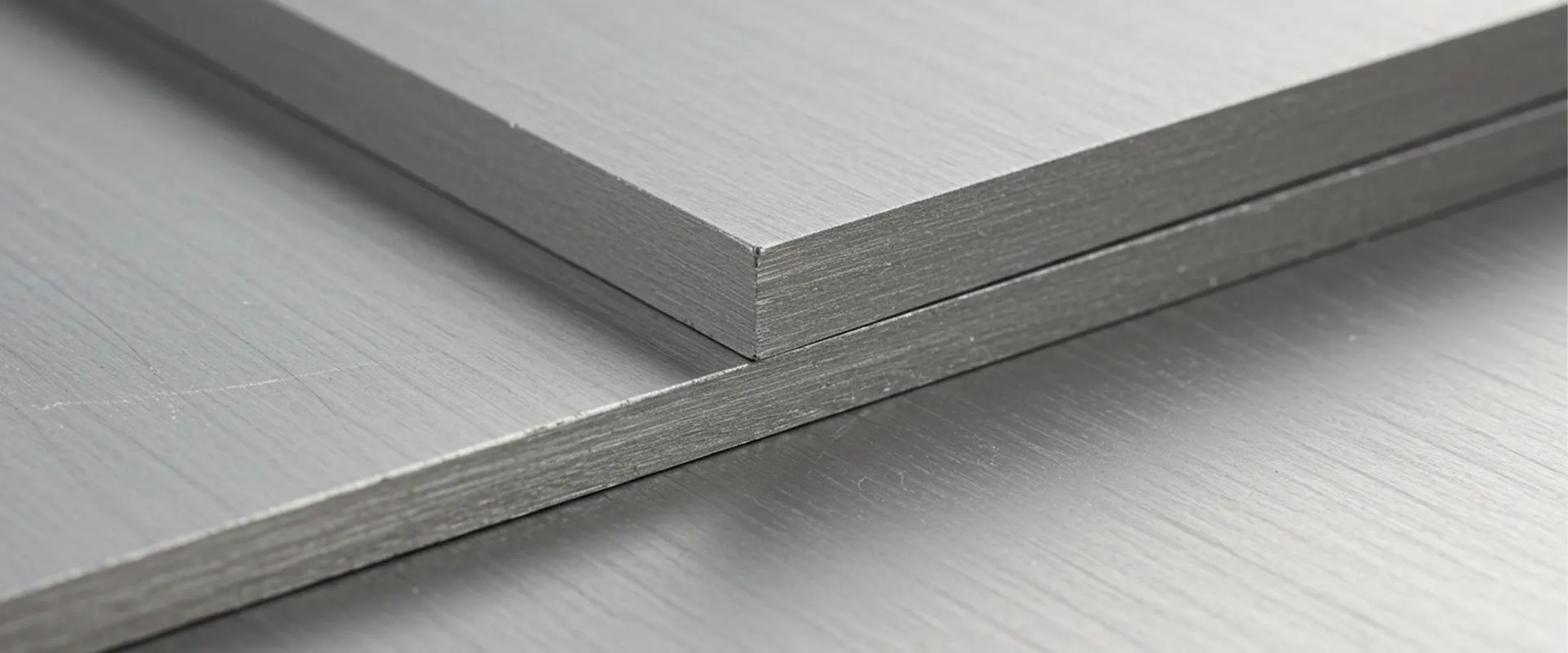
Aluminum A5052 is a corrosion-resistant alloy with good weldability and moderate to high strength. It is widely used in marine, automotive, and general industrial applications.
Density:
2.8 g/cm³
Price:
approx. $ 2.98/kg
- A1100
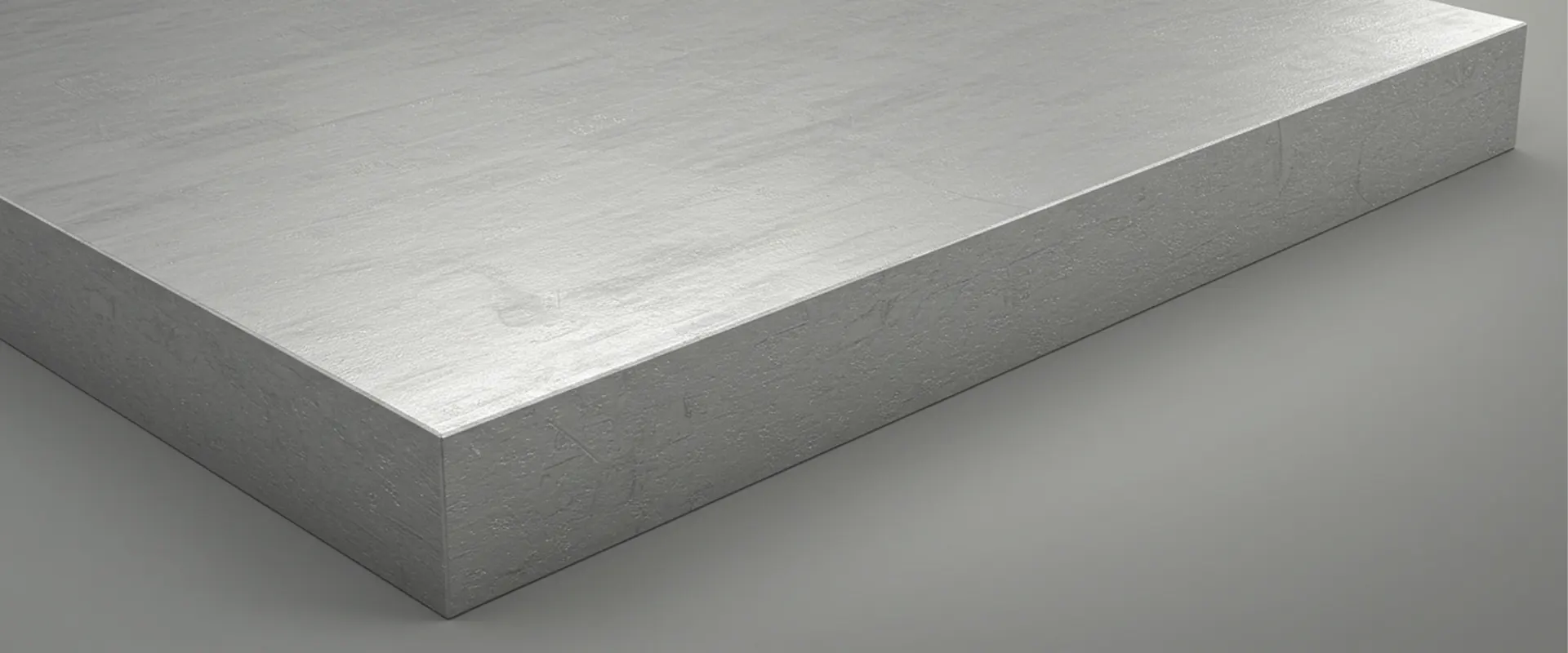
A1100
A1100 is commercially pure aluminum (99%+ purity) with excellent corrosion resistance, workability, and thermal conductivity. It is soft, ductile, and non-heat-treatable. Widely used in chemical equipment, roofing, cooking utensils, and decorative parts.
- Aluminum Alloy 2A12
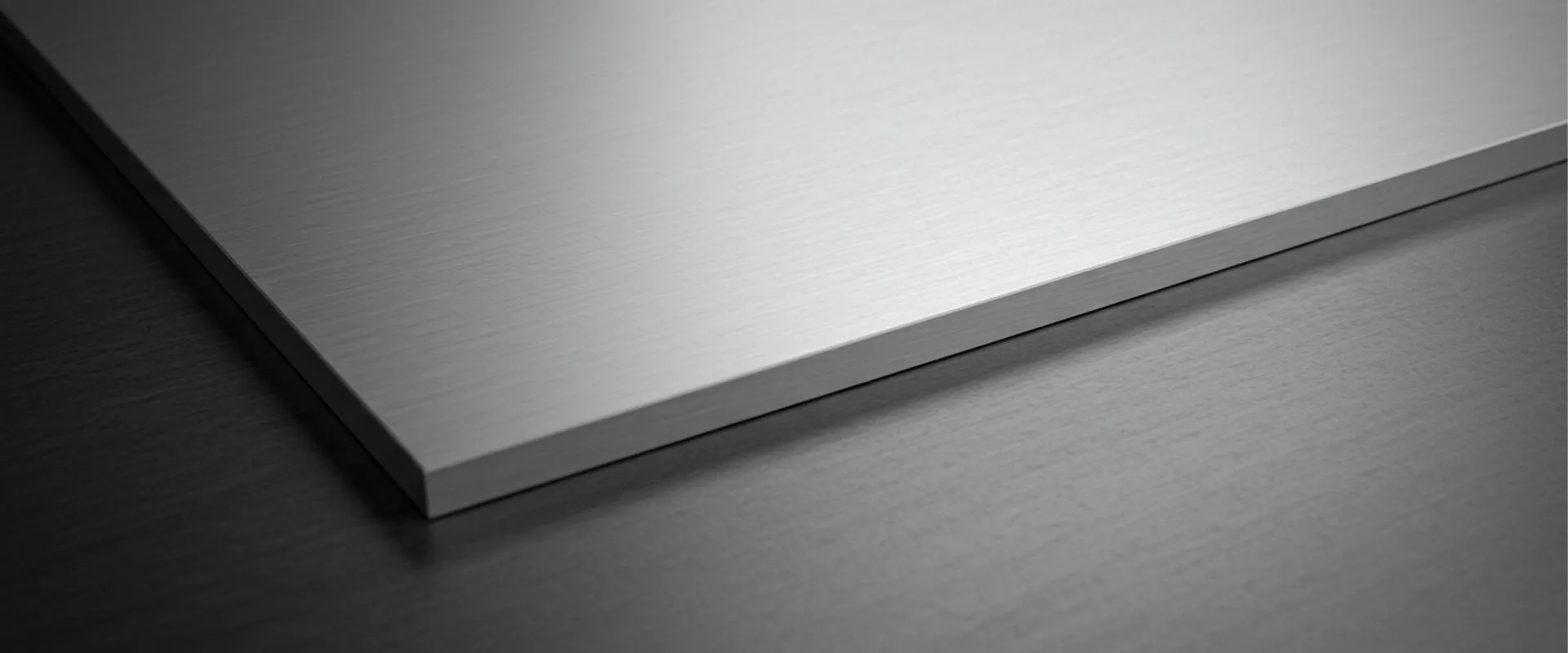
Aluminum Alloy 2A12
2A12 is a high-strength aluminum-copper alloy commonly used in aerospace and high-load structural applications. It offers excellent fatigue resistance and good machining performance but has relatively low corrosion resistance, so surface treatment is often required.
- Brass
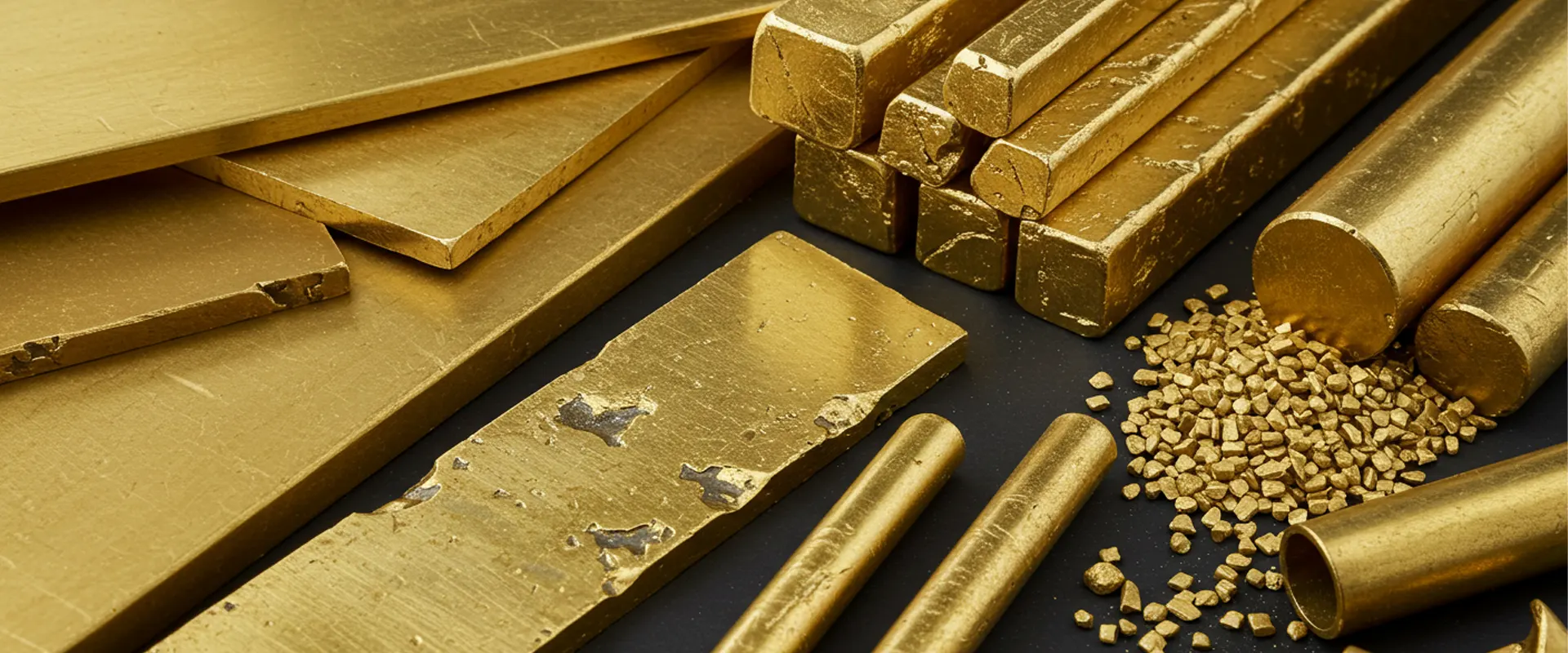
Brass
Brass is a copper-zinc alloy known for its good mechanical properties, excellent corrosion resistance, and attractive golden color. It is widely used in decorative fittings, electrical components, plumbing, and precision machined parts.
Density:
8.9 g/cm³
- Copper(CU)
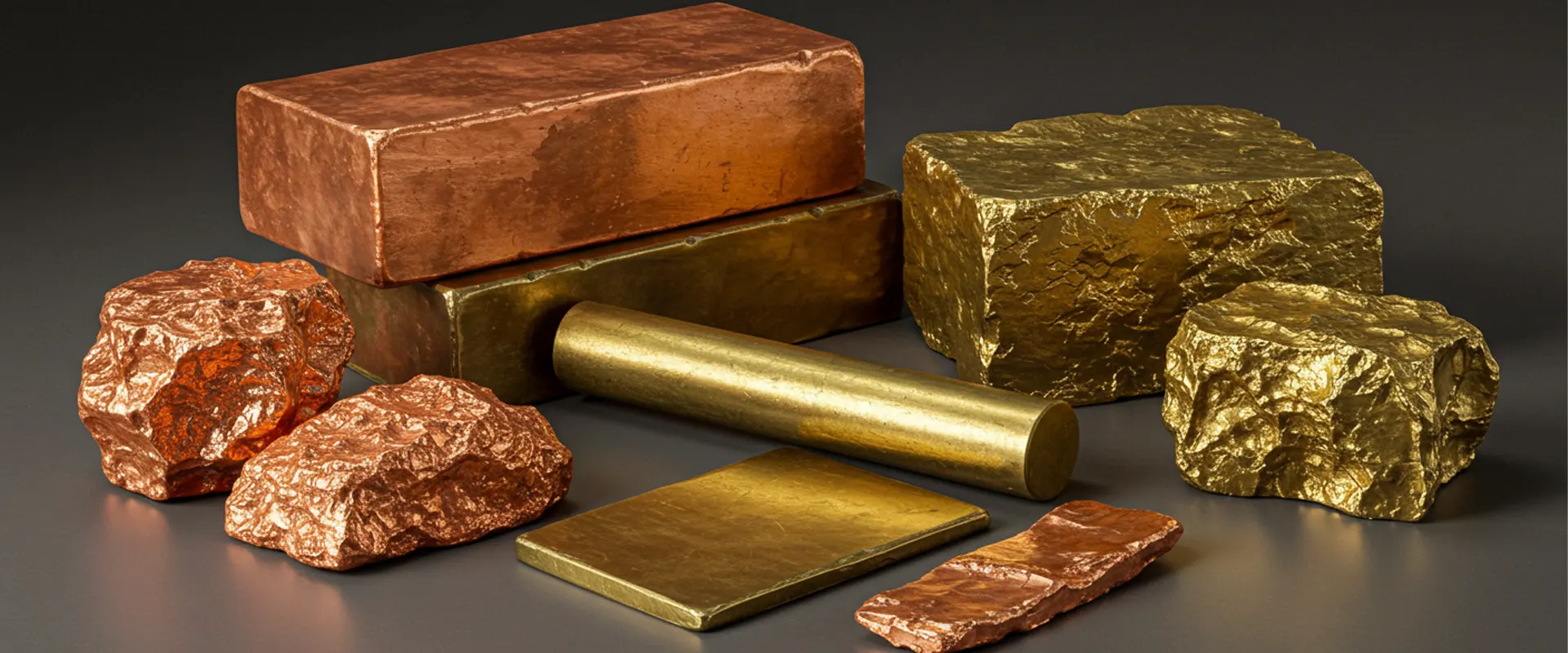
Copper(CU)
Copper (CU) is a highly conductive metal with excellent corrosion resistance. Its common alloys include Brass (copper-zinc), Bronze (copper-tin), and Pure Copper (red copper). These materials are widely used in electrical, mechanical, and decorative applications.
Color:
Brass/Bronze/Copper
Density:
8.9 g/cm³
- Magnesium Alloy
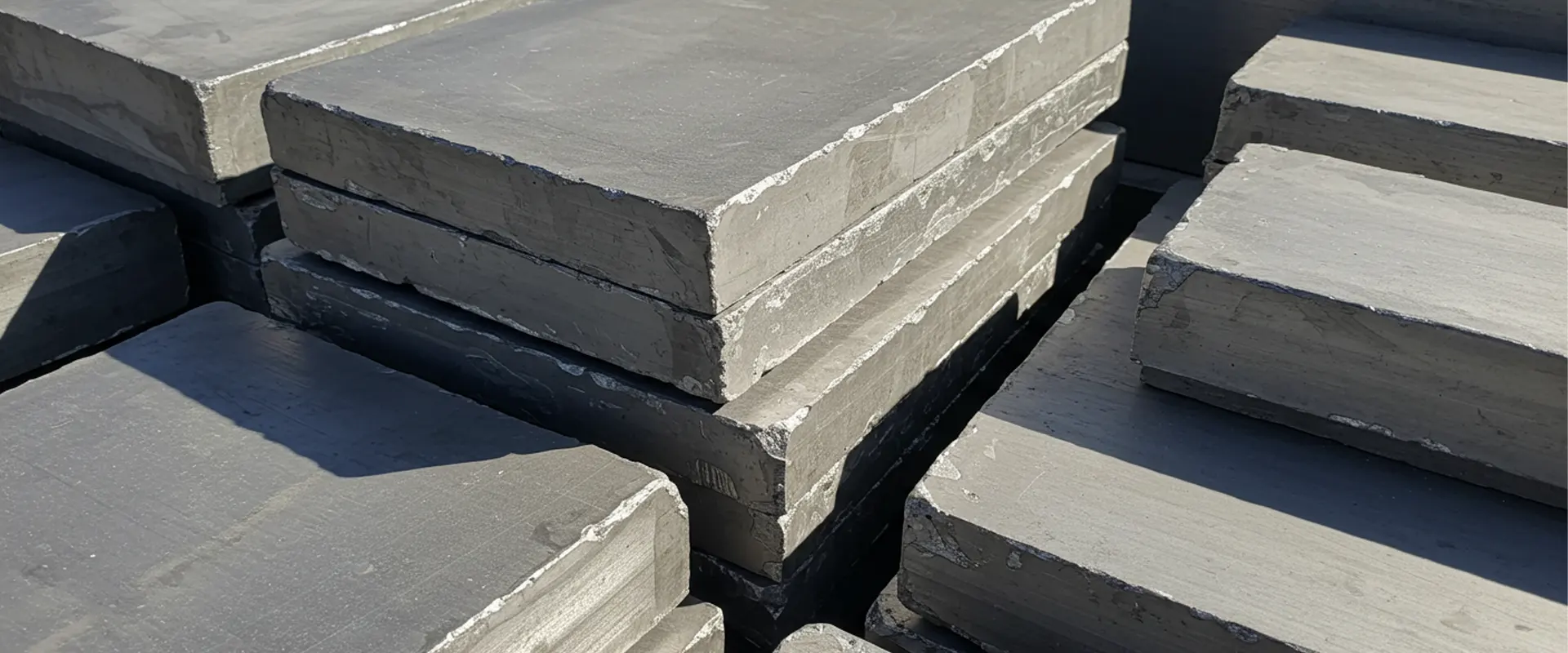
Magnesium Alloy
Magnesium alloy is a lightweight metal alloy known for its high strength-to-weight ratio, excellent machinability, and good vibration damping. It is widely used in aerospace, automotive, and electronics industries where weight reduction is critical.
Density:
1.9 g/cm³
- Zinc Alloy (Zn)
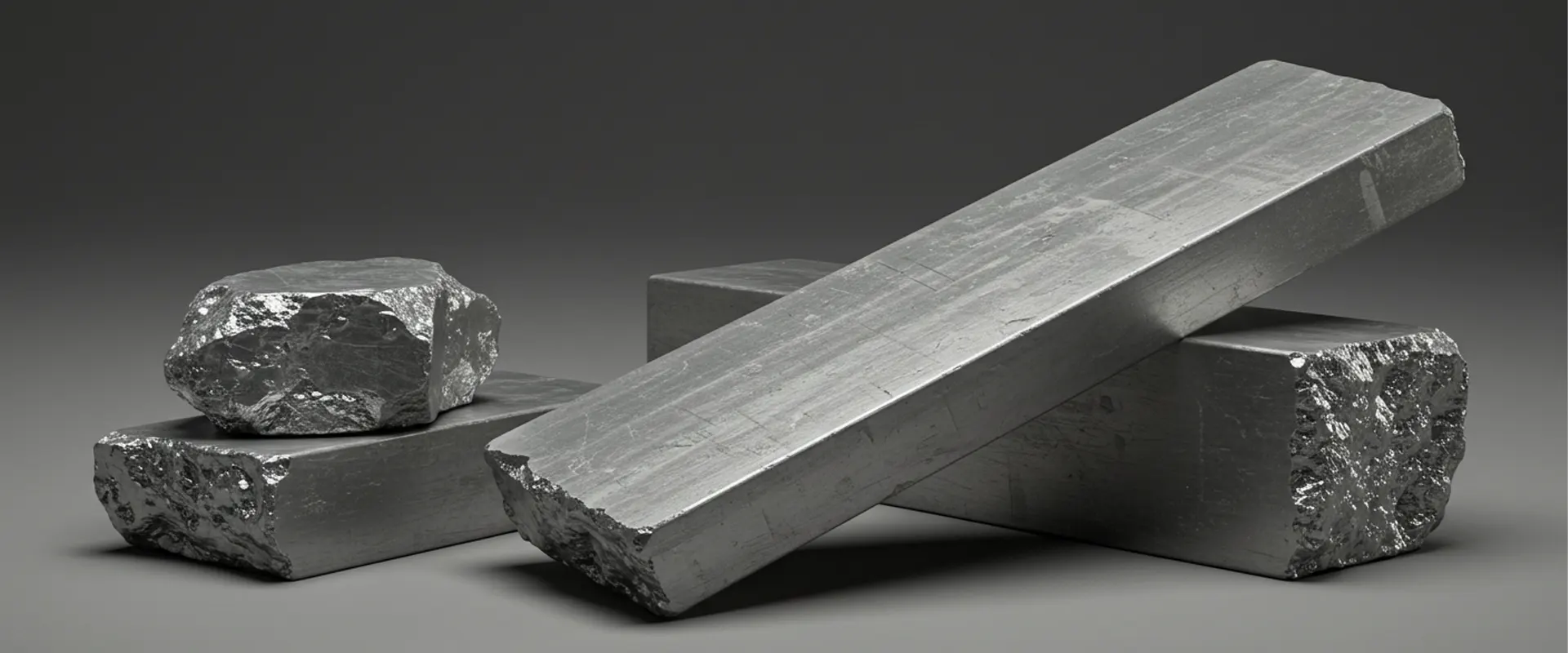
Zinc Alloy (Zn)
Zinc alloy is a versatile metal alloy known for its good strength, excellent castability, and corrosion resistance. It is widely used in die casting for automotive parts, hardware fittings, and decorative items.
Density:
6.8 g/cm³
- Aluminum 3003
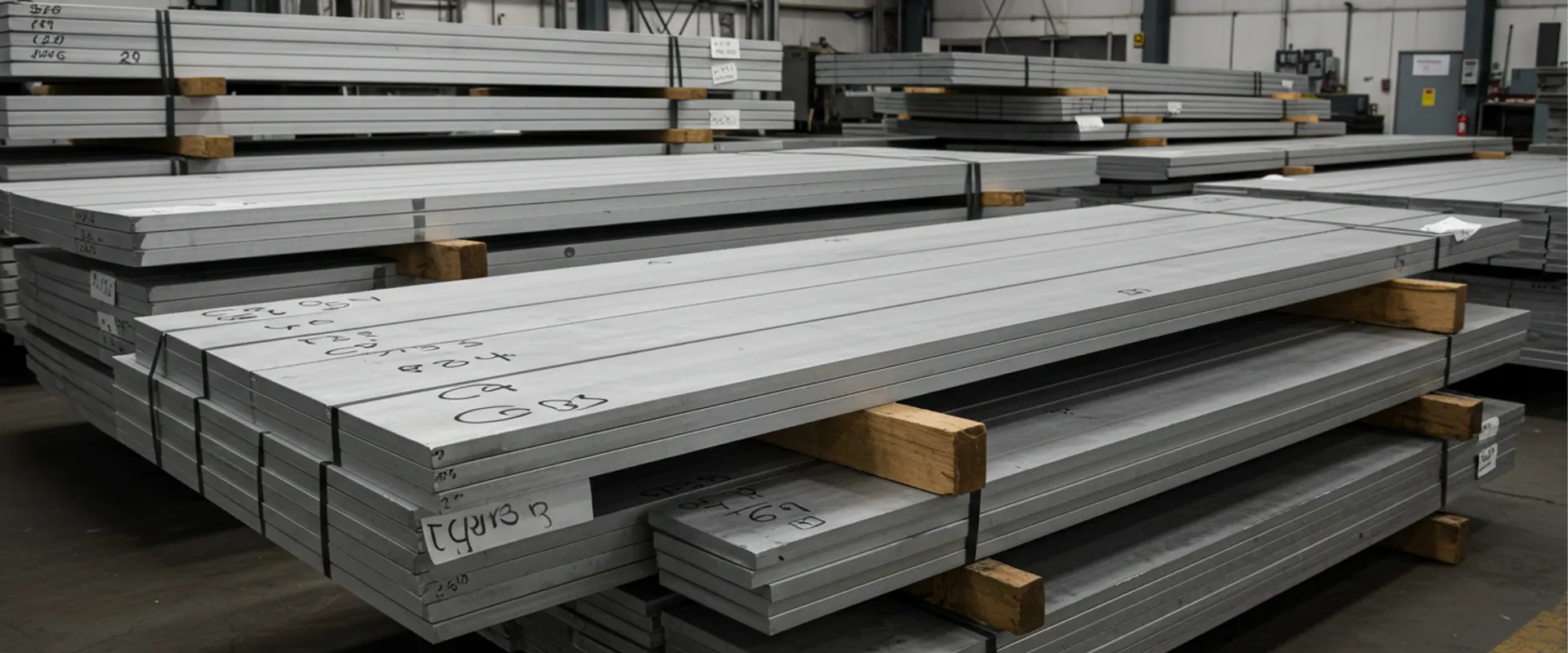
Aluminum 3003
Aluminum 3003 is a commercially pure aluminum alloy with manganese as the primary alloying element. It offers good corrosion resistance, excellent workability, and moderate strength. It is commonly used in roofing, siding, and cookware applications.
- Aluminum A5056
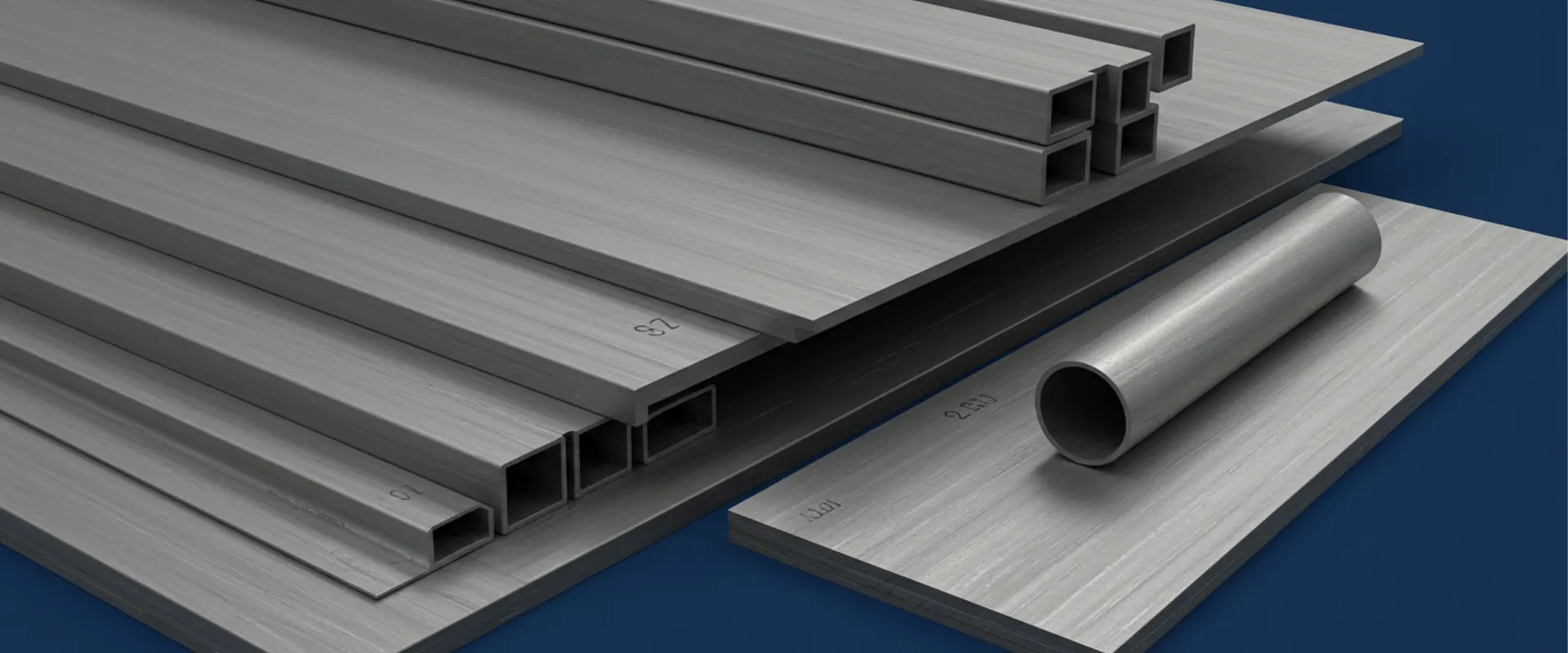
Aluminum A5056
Aluminum A5056 is a high magnesium-content alloy known for excellent corrosion resistance, especially in marine environments. It offers good weldability and moderate strength, widely used in shipbuilding, marine hardware, and chemical equipment.
Density:
2.8 g/cm³
- A2017
A2017
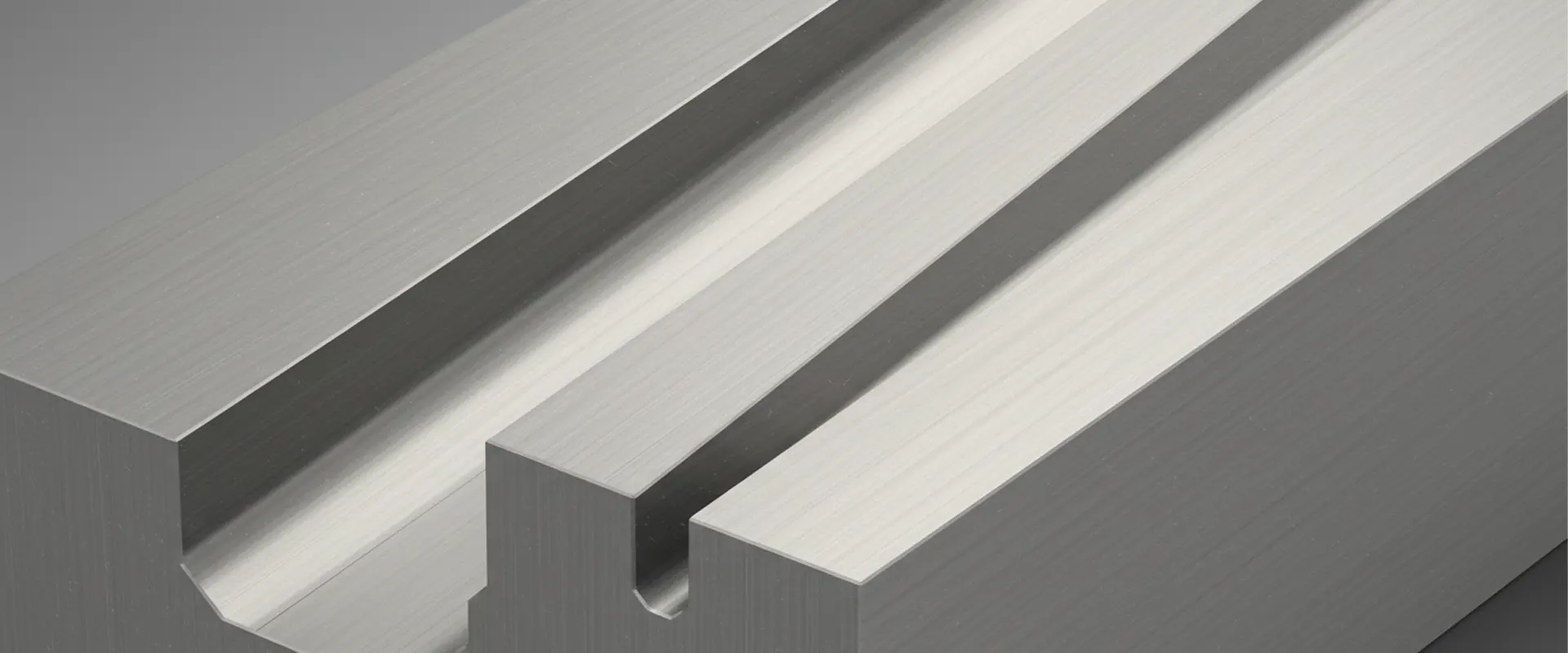
A2017 is a high-strength aluminum-copper alloy known for excellent machinability and good mechanical properties. It is commonly used in aerospace, transportation, and precision machinery. Corrosion resistance is moderate, often requiring surface treatment.
Density:
2.8 g/cm³
- Copper Alloy C3604
Copper Alloy C3604
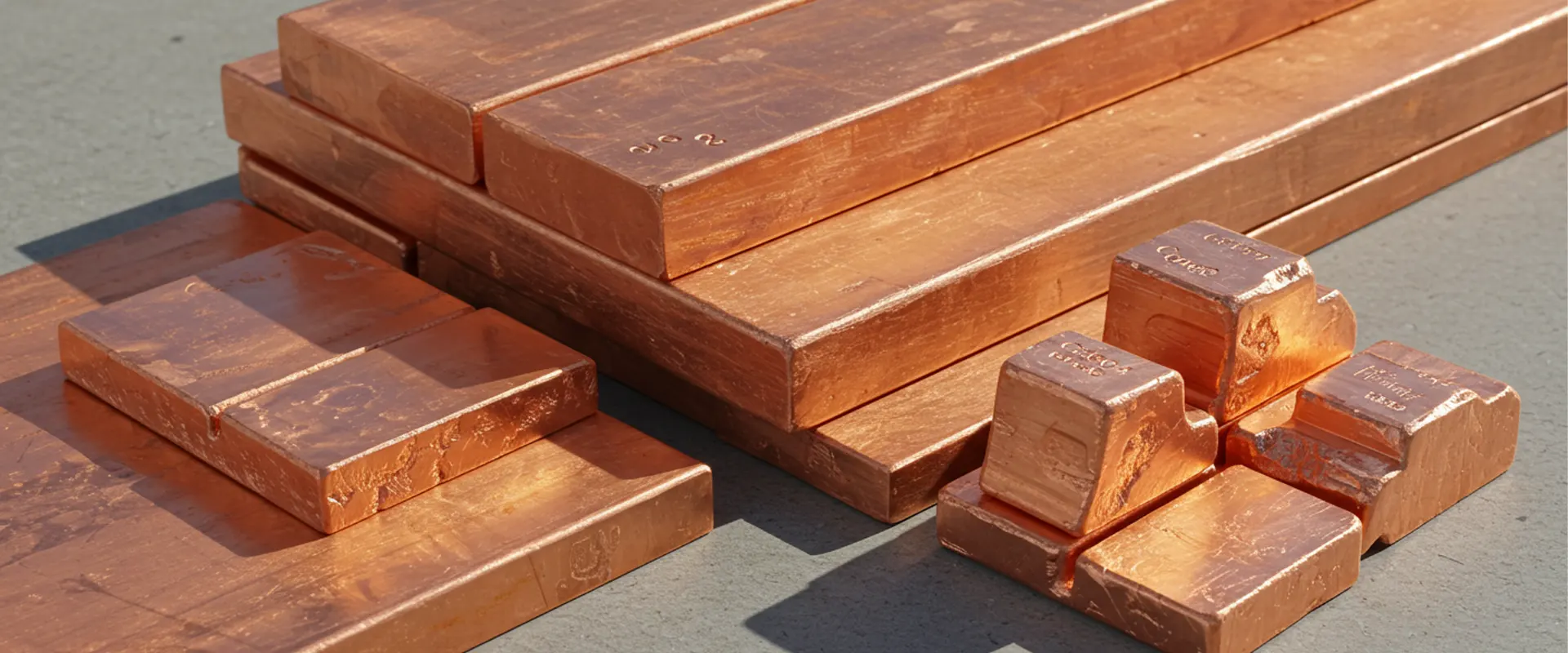
C3604, also known as free-machining brass, is a copper-zinc alloy with excellent machinability, good corrosion resistance, and attractive golden color. It is widely used in precision machining parts, electrical connectors, and plumbing fittings.
Density:
8.9 g/cm³
- Aluminum Alloy 5000
Aluminum Alloy 5000
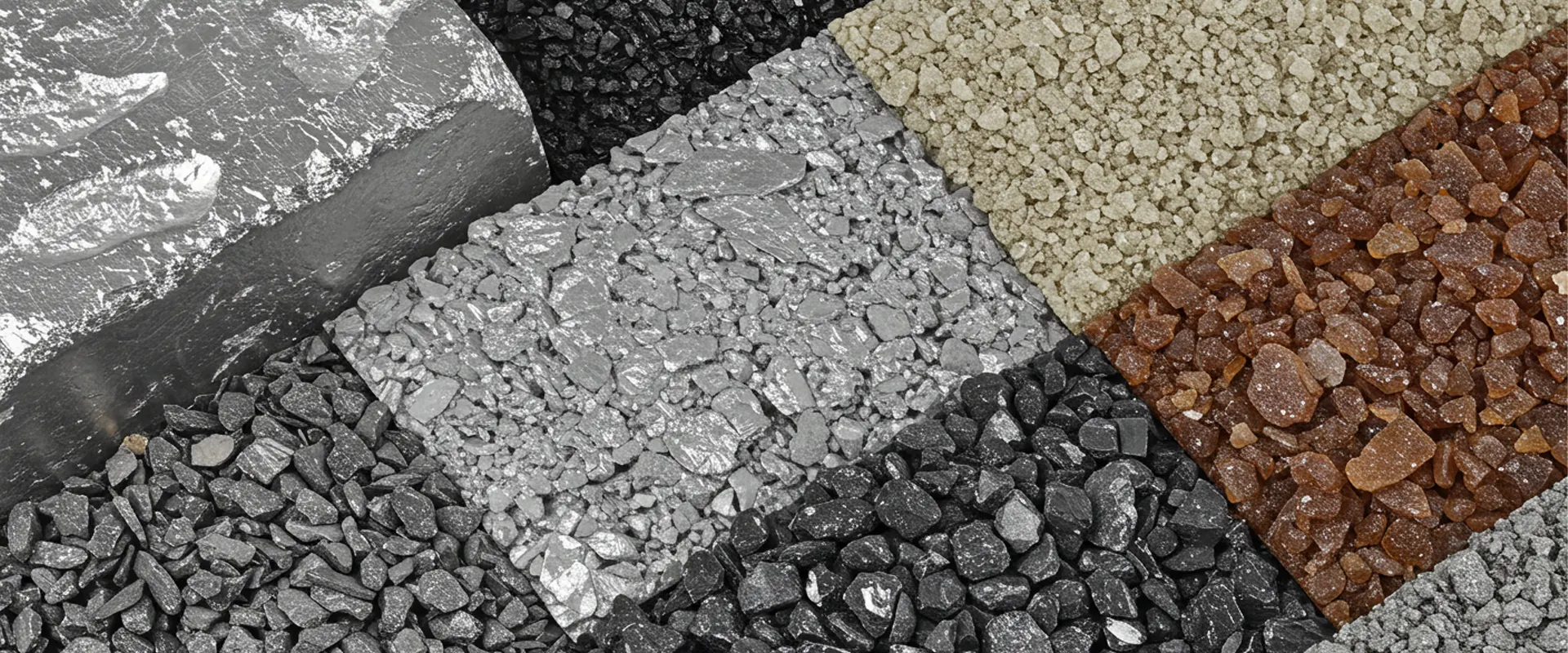
The 5000 series aluminum alloys are magnesium-based alloys known for excellent corrosion resistance, good weldability, and moderate to high strength. They are widely used in marine, automotive, and structural applications.
- AL1070
AL1070
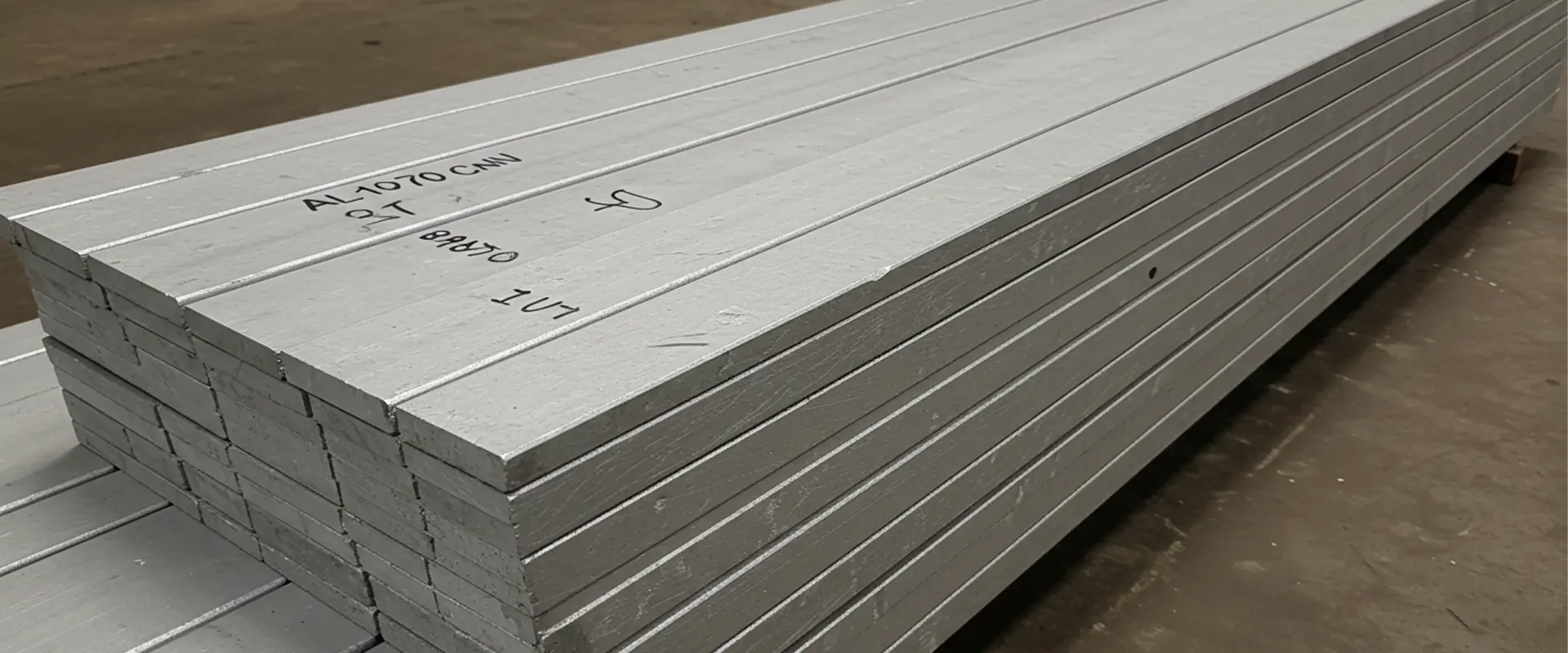
AL1070 is a commercially pure aluminum with very high electrical and thermal conductivity, excellent corrosion resistance, and good workability. It is commonly used in electrical conductors, heat exchangers, and chemical equipment.
- Aluminum Alloy AL2024 / A2024-T6
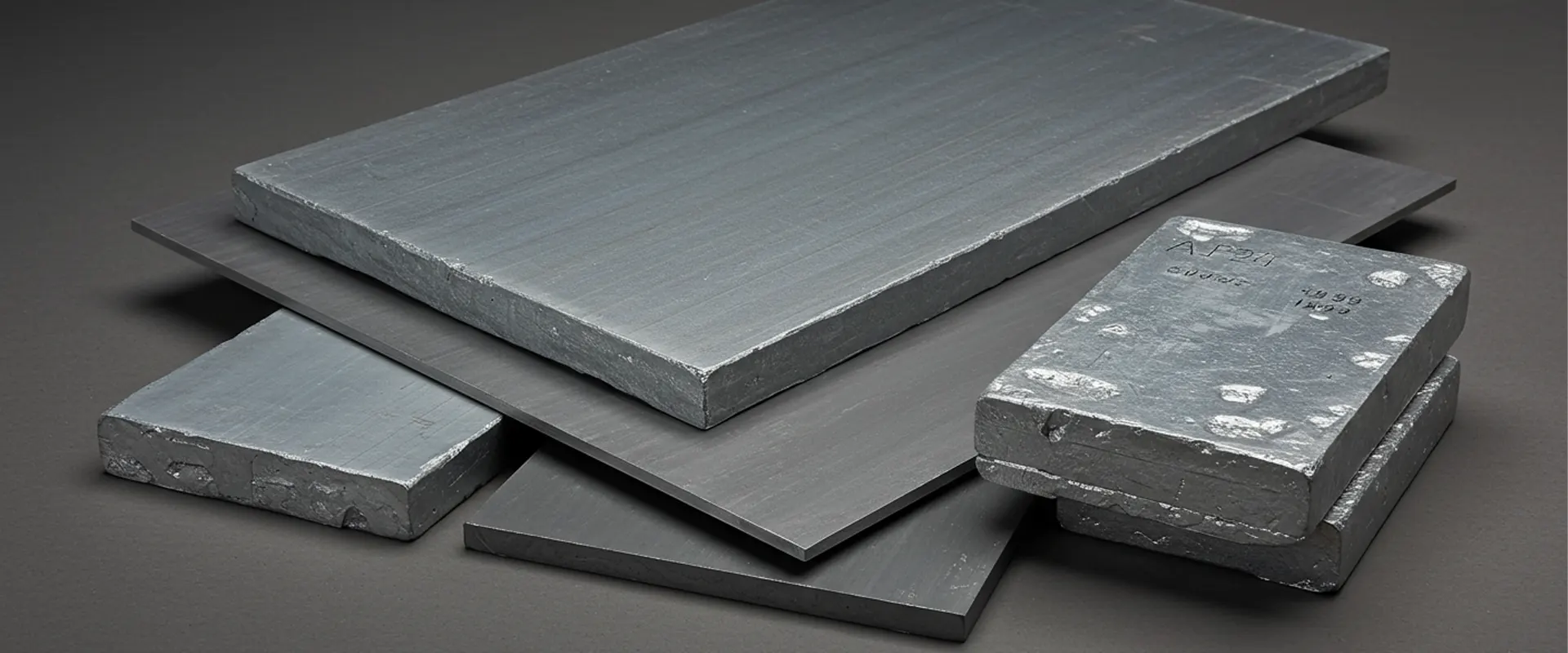
Aluminum Alloy AL2024 / A2024-T6
AL2024 is a high-strength aluminum-copper alloy widely used in aerospace and structural applications. The T6 temper means it is solution heat-treated and artificially aged to achieve high mechanical strength. It offers excellent fatigue resistance but moderate corrosion resistance, so surface protection is usually necessary.
- Aluminum Alloys AL7075 / 7050 / 7451
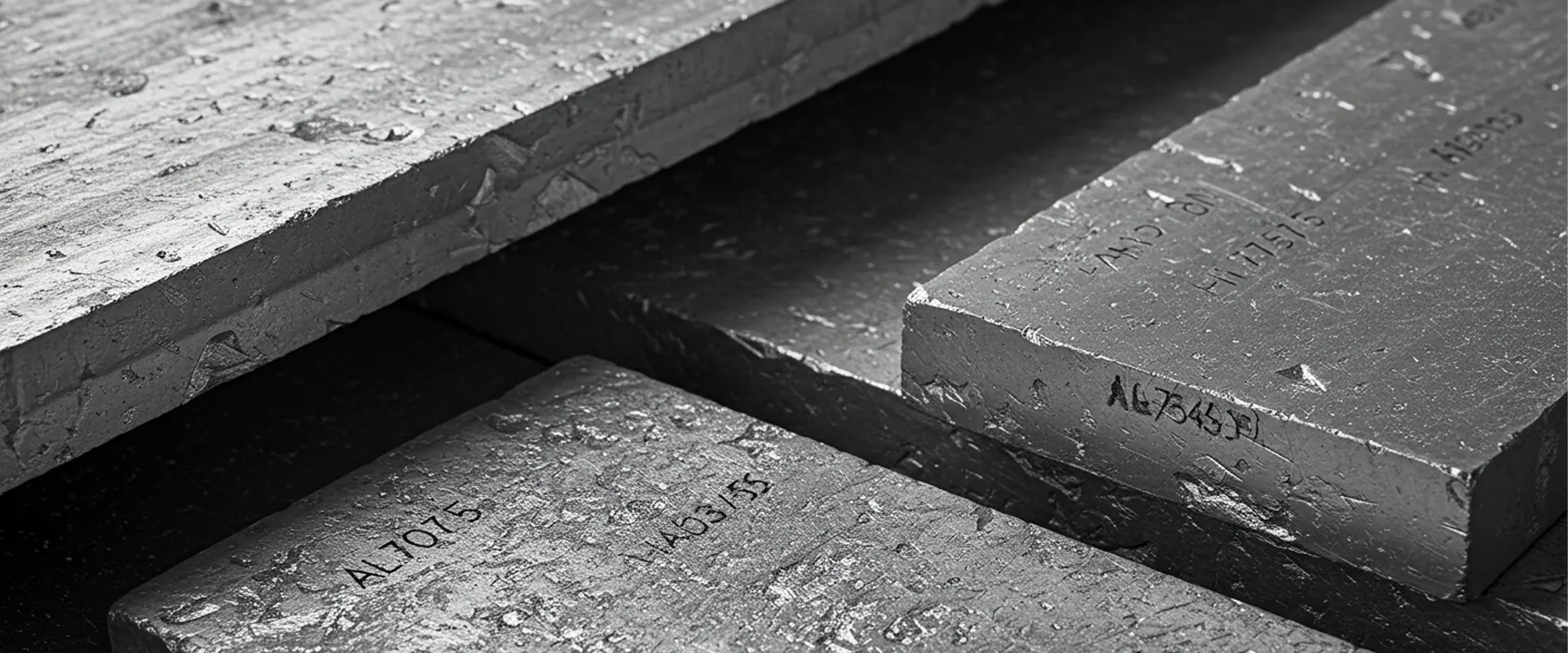
Aluminum Alloys AL7075 / 7050 / 7451
AL7075, 7050, and 7451 are high-strength aluminum-zinc-magnesium-copper alloys widely used in aerospace, military, and high-performance structural applications. They offer excellent strength, good fatigue resistance, and moderate corrosion resistance, often requiring surface treatments.
Density:
2.8 g/cm³
- Imported Aluminum Alloy 5083
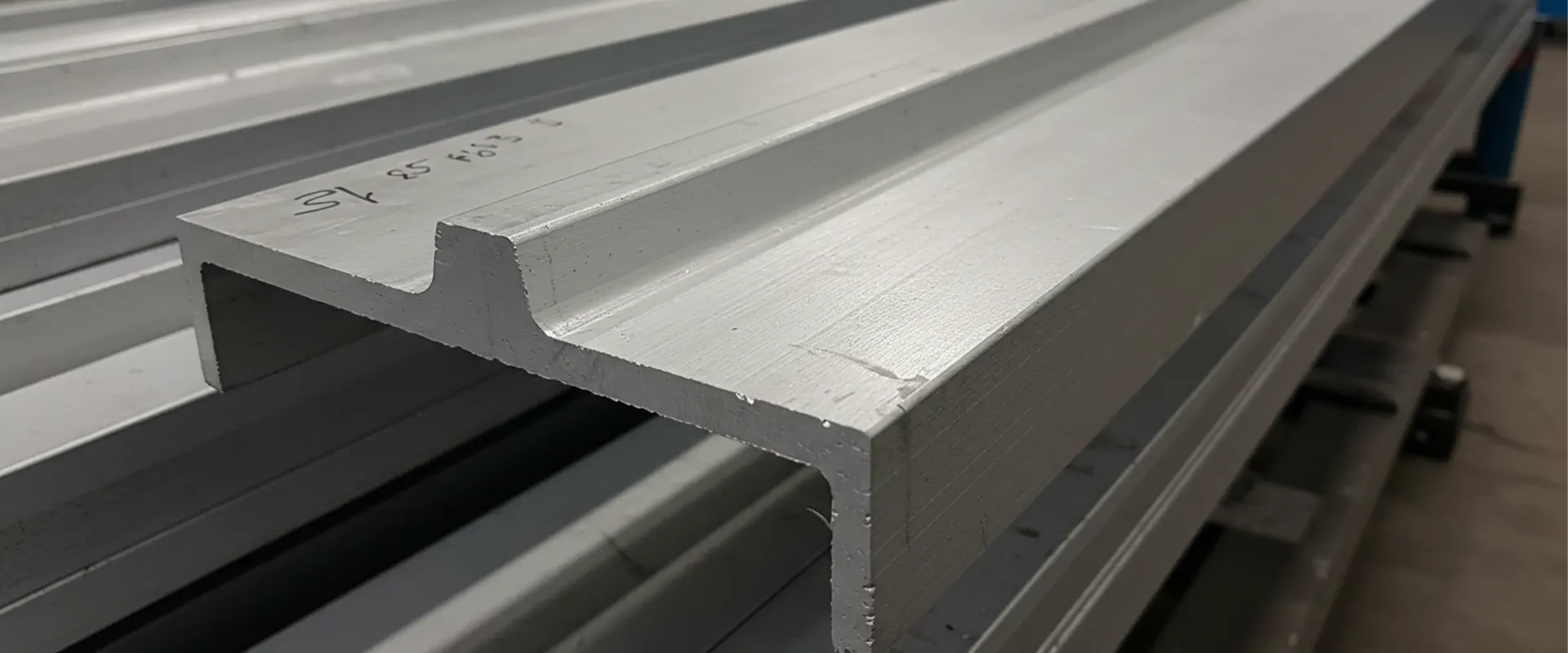
Imported Aluminum Alloy 5083
5083 is a non-heat-treatable aluminum-magnesium alloy known for exceptional corrosion resistance, especially in marine environments. It has good weldability and moderate-to-high strength, making it ideal for shipbuilding, transportation, and structural applications. Imported 5083 typically meets international quality standards ensuring high reliability.
- Imported Aluminum Alloy 6082
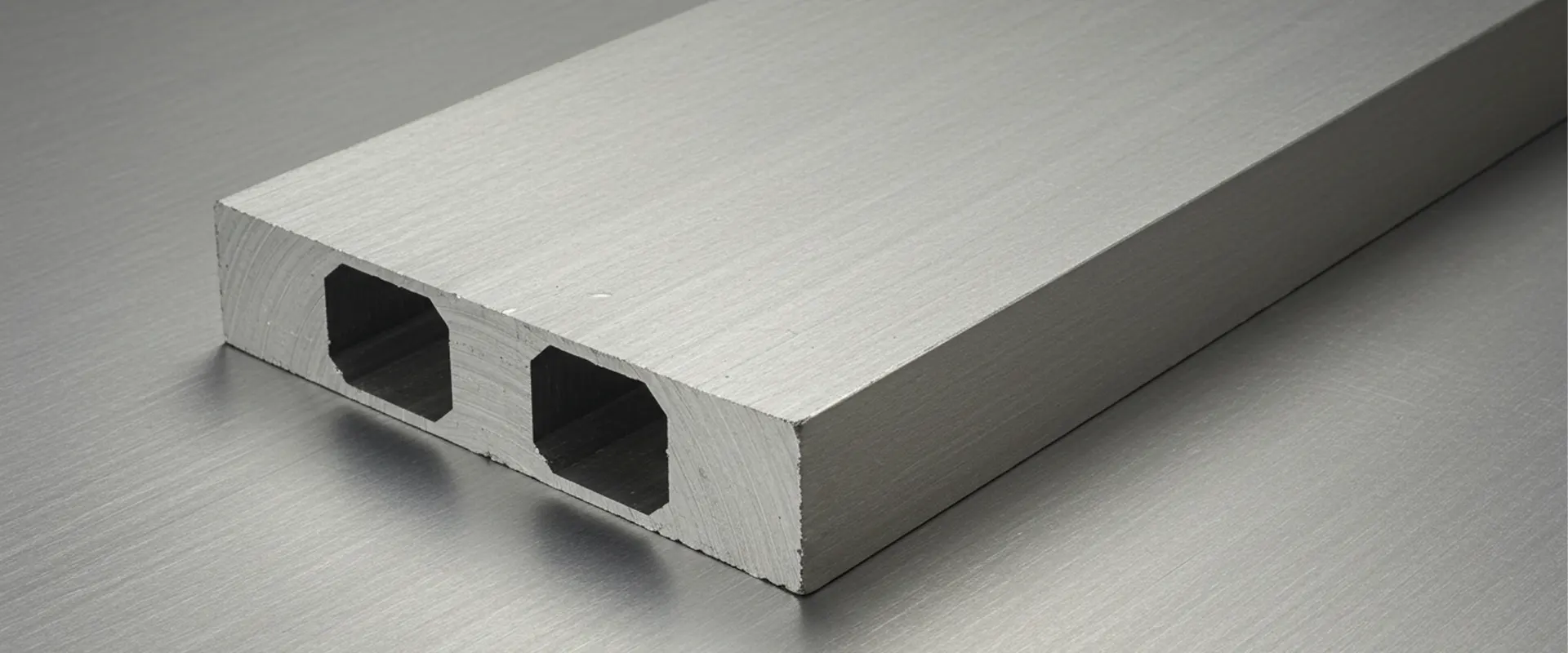
Imported Aluminum Alloy 6082
6082 is a medium-strength heat-treatable aluminum-magnesium-silicon alloy, widely used in structural and engineering applications. It offers good corrosion resistance, excellent weldability, and good machinability. Imported 6082 generally meets strict international standards for quality and performance.
- Imported Aluminum Alloy 7075
Imported Aluminum Alloy 7075
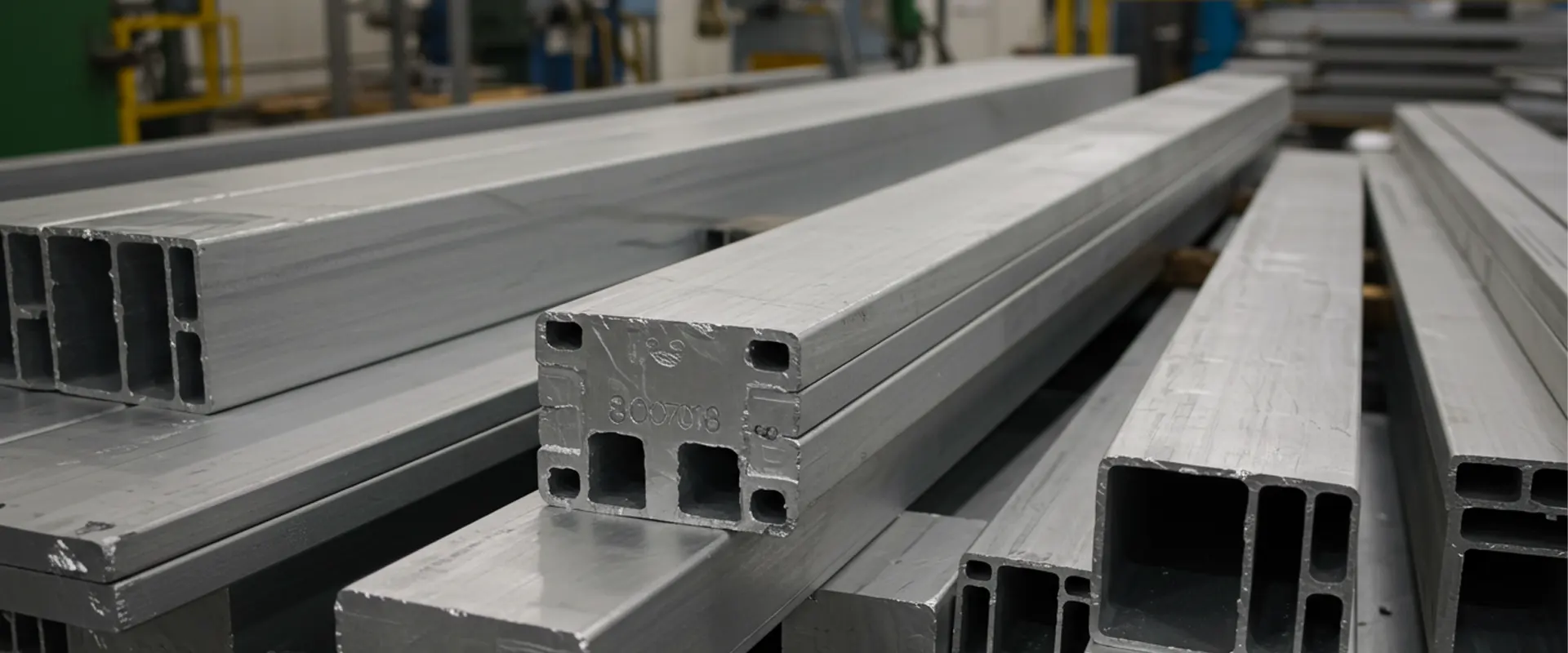
7075 is a high-strength aluminum-zinc-magnesium-copper alloy widely used in aerospace, military, and high-performance applications. It offers excellent mechanical properties and good fatigue resistance but moderate corrosion resistance, often requiring surface treatments. Imported 7075 typically meets stringent international quality standards.
- Imported Aluminum Alloy 6061-T561
Imported Aluminum Alloy 6061-T561
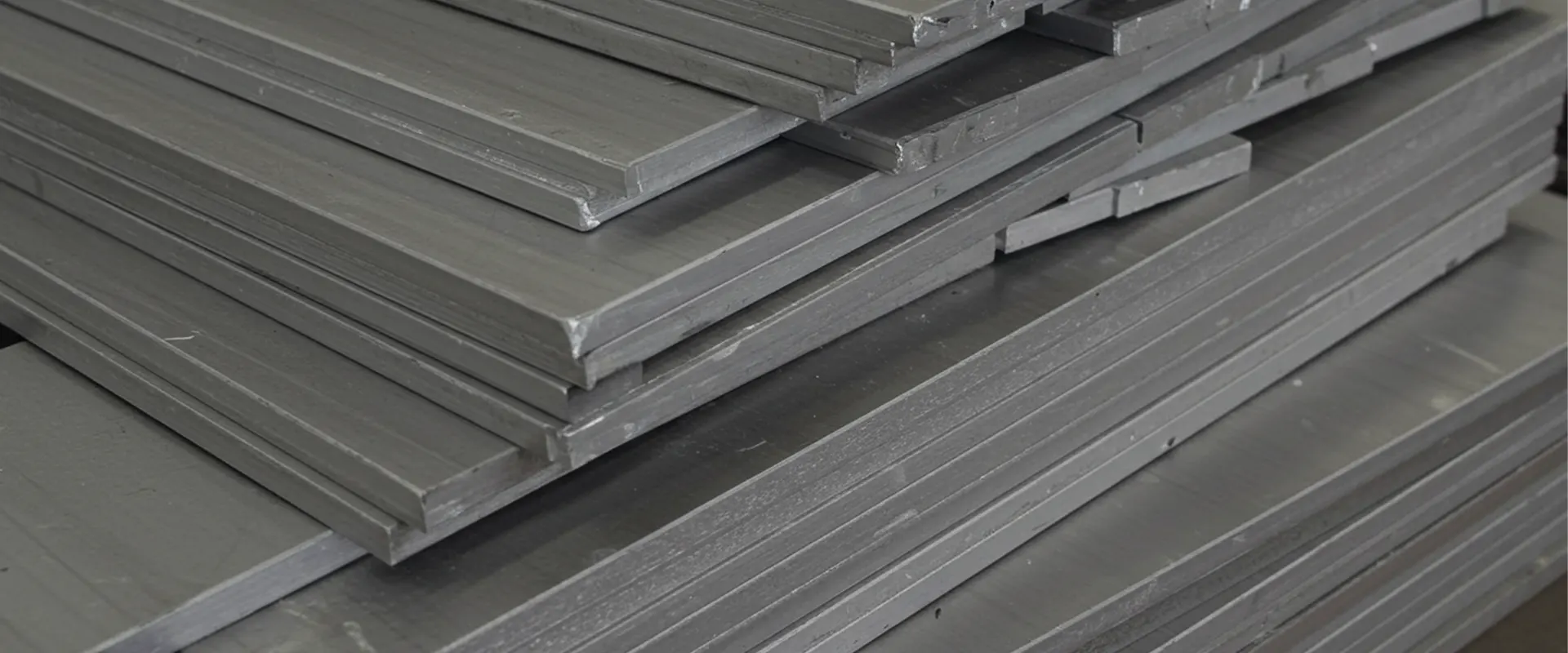
6061-T561 is a heat-treated aluminum-magnesium-silicon alloy known for good mechanical strength, excellent corrosion resistance, and very good machinability. The T561 temper indicates it has been solution heat-treated, stress relieved by stretching, and artificially aged. It is widely used in structural parts, automotive, and precision components. Imported material meets strict international standards for quality and consistency.
- AL1060
AL1060
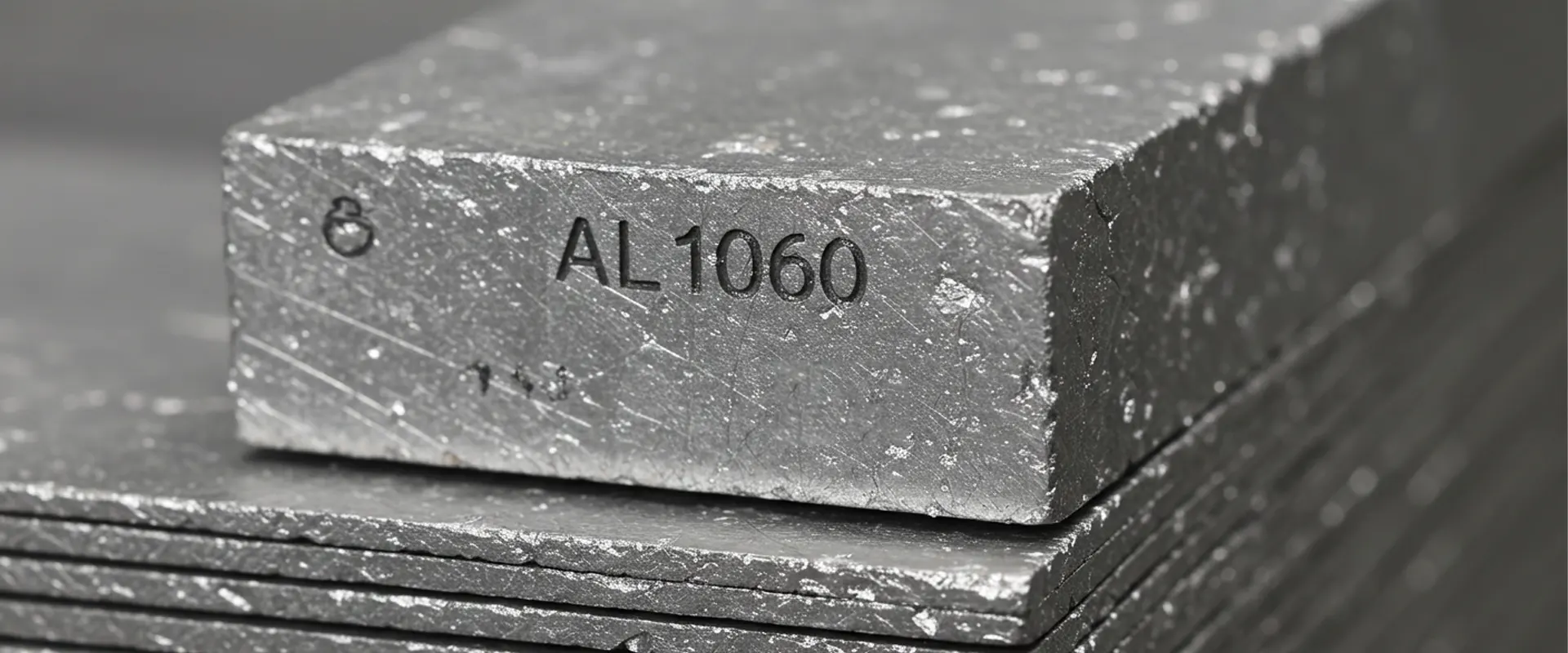
AL1060 is a commercially pure aluminum alloy with an aluminum content of about 99.6%. It has excellent electrical and thermal conductivity, outstanding corrosion resistance, and very good formability. Commonly used in electrical conductors, chemical equipment, and sheet metal parts.
- C2801P-1/2H
C2801P-1/2H
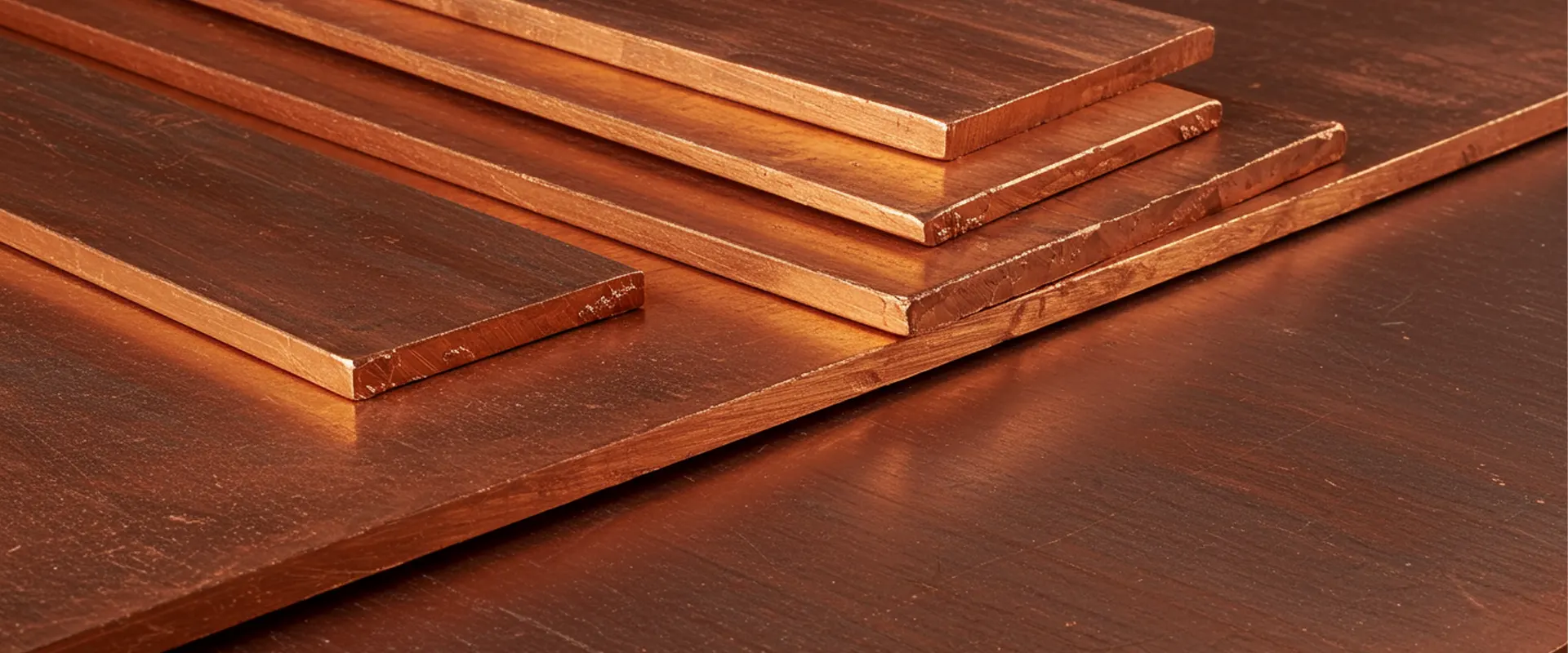
C2801P is a brass alloy with around 60% copper and 40% zinc, known as "Muntz metal" or alpha-beta brass. The “1/2H” indicates half-hard temper, giving it moderate strength with better formability compared to full hard. It offers good corrosion resistance, good cold workability, and is commonly used for architectural trim, hardware, and decorative parts.
- C1020P
C1020P
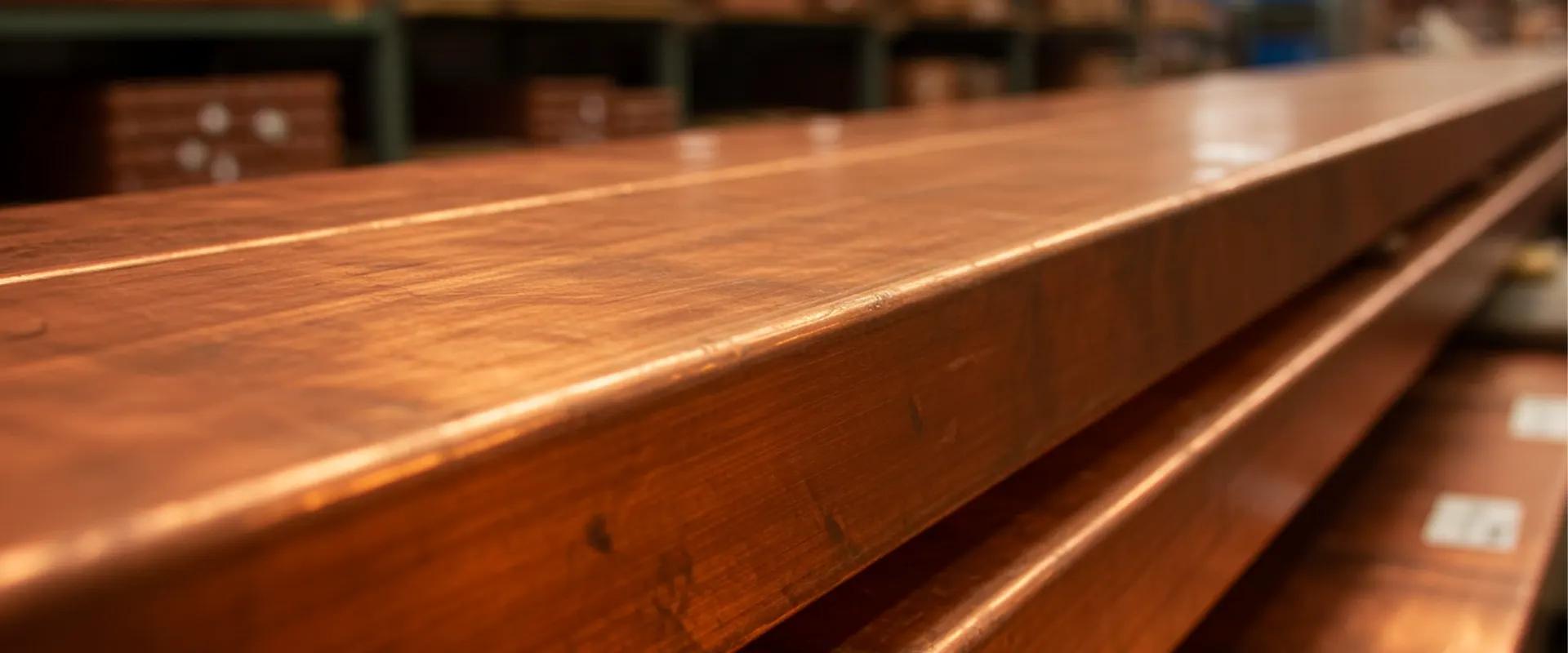
C1020P is a high-purity oxygen-free copper (OFC) with excellent electrical and thermal conductivity, outstanding ductility, and good corrosion resistance. It is widely used in electrical applications, electronic components, and vacuum devices where high conductivity and cleanliness are critical.
- A7072
A7072
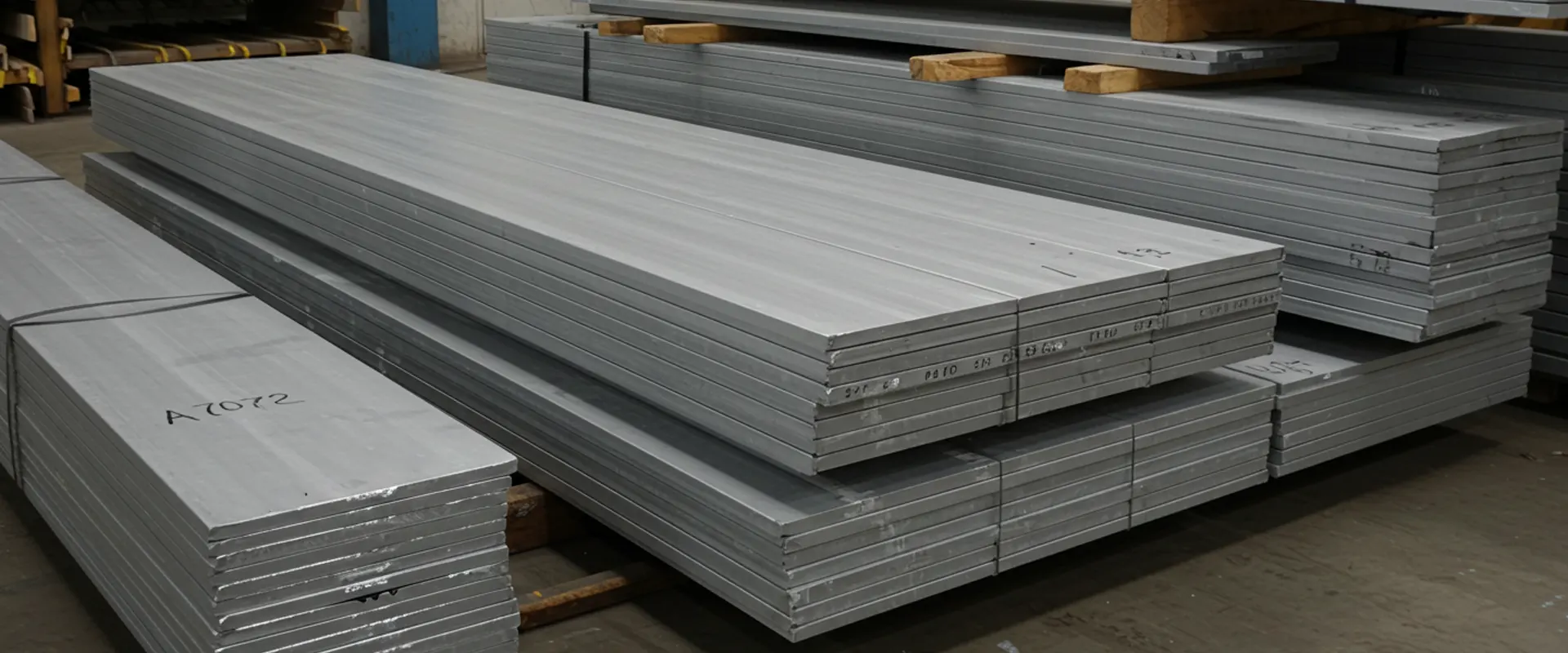
A7072 is an aluminum alloy mainly alloyed with zinc (around 1%) and designed primarily for cladding on heat exchanger tubes and other applications that require good corrosion resistance. It has excellent corrosion resistance, good formability, and is often used as a cladding layer on high-strength core alloys (like 3003 or 7075) to enhance corrosion protection.
Density:
2.8
- A7000
A7000
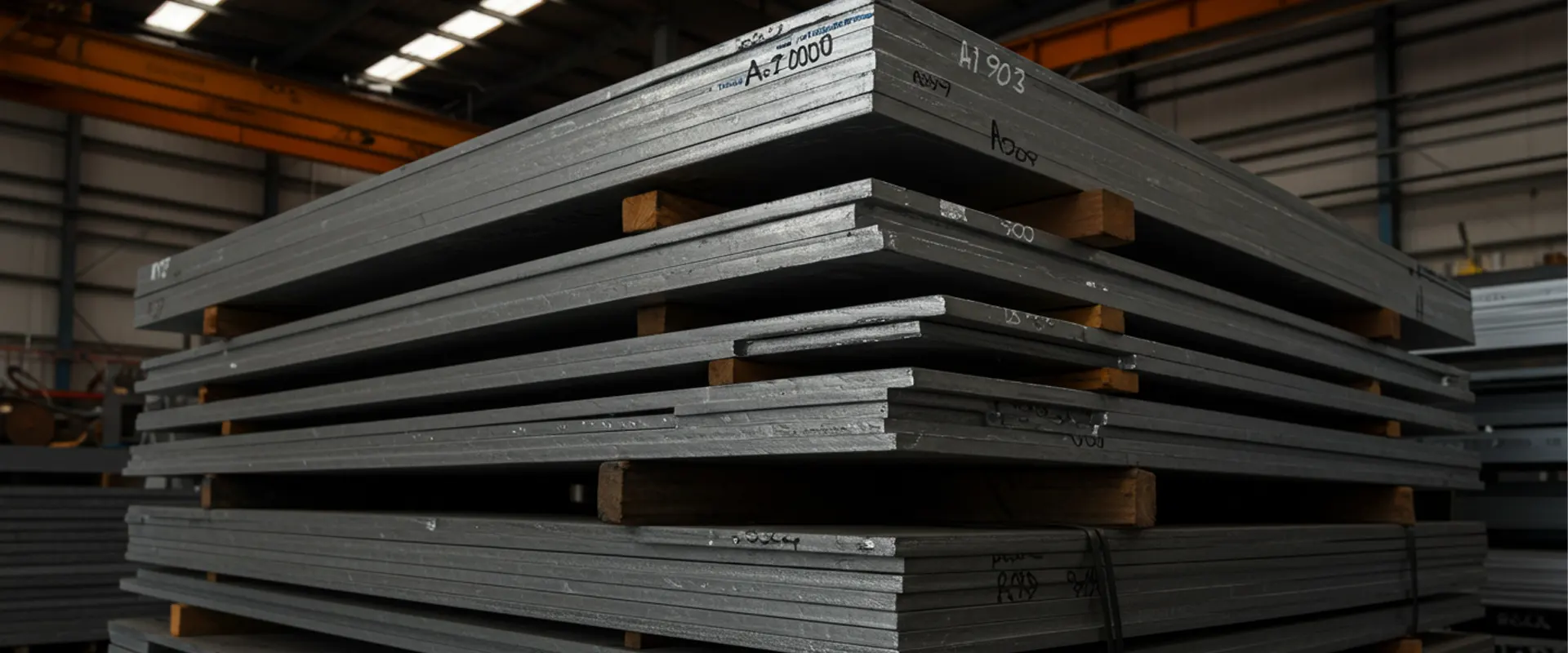
The A7000 series refers to high-strength aluminum-zinc-magnesium-copper alloys. Known for excellent mechanical strength and good fatigue resistance, they are widely used in aerospace, military, and high-performance engineering applications. Typical grades include 7005, 7050, 7075, and 7049. While strength is very high, corrosion resistance is moderate, so surface treatments are usually applied.
Density:
2.8
- C1100
C1100
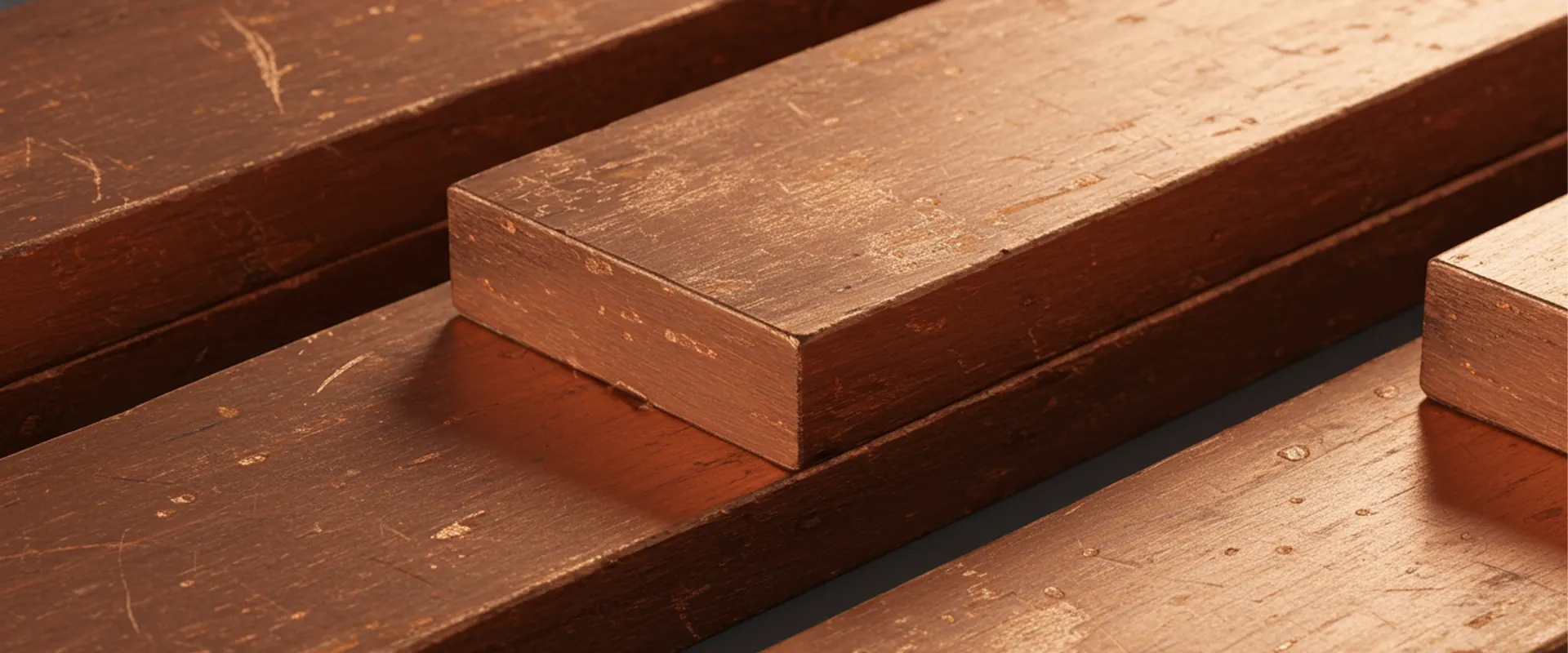
C1100 is a commercially pure copper (also known as electrolytic tough pitch copper, ETP) with very high electrical and thermal conductivity, excellent ductility, and good corrosion resistance. It is widely used in electrical conductors, bus bars, wiring, and heat exchangers.
Density:
8.9
- A2014
A2014
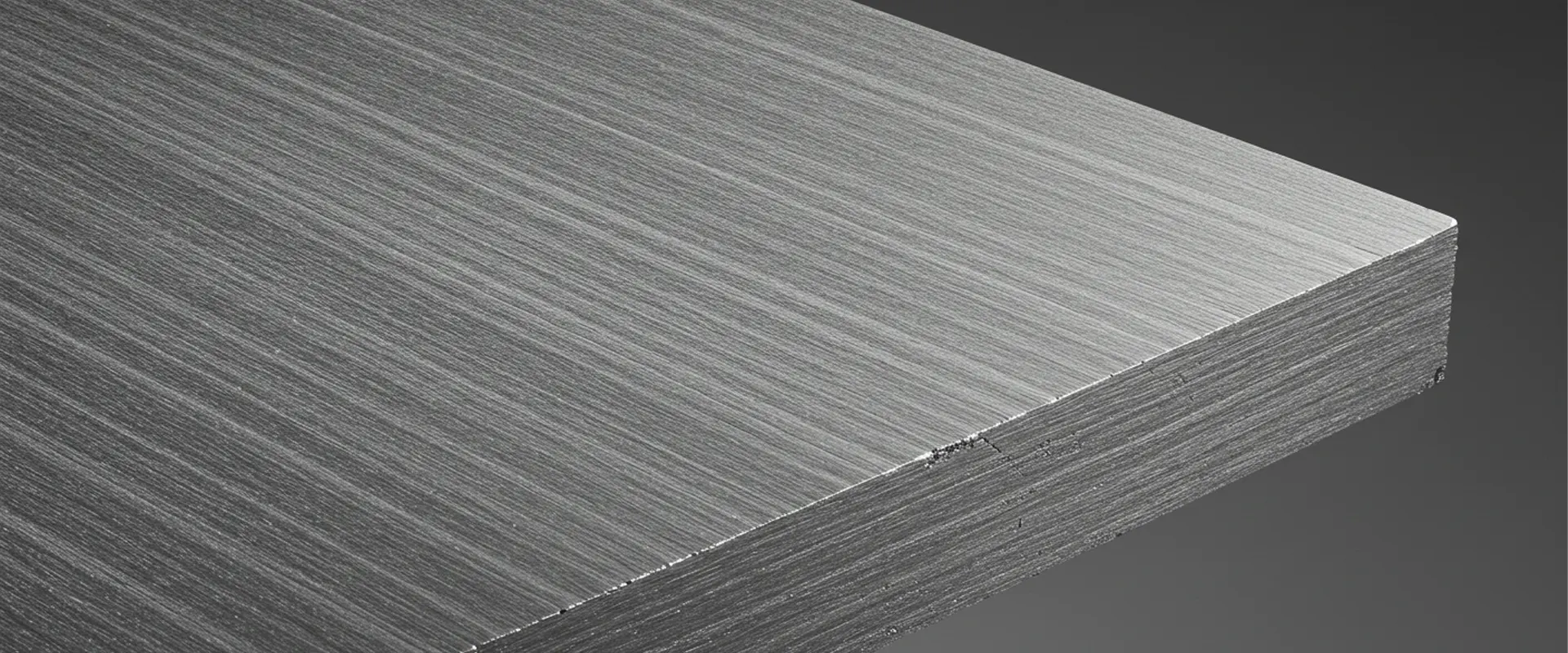
A2014 is a high-strength aluminum-copper alloy known for excellent machinability, good mechanical properties, and fair corrosion resistance. It is often used in aerospace parts, heavy-duty forgings, and precision components requiring high strength and good wear resistance.
Density:
2.8 g/cm³
- Aluminum Alloy 7000
Aluminum Alloy 7000
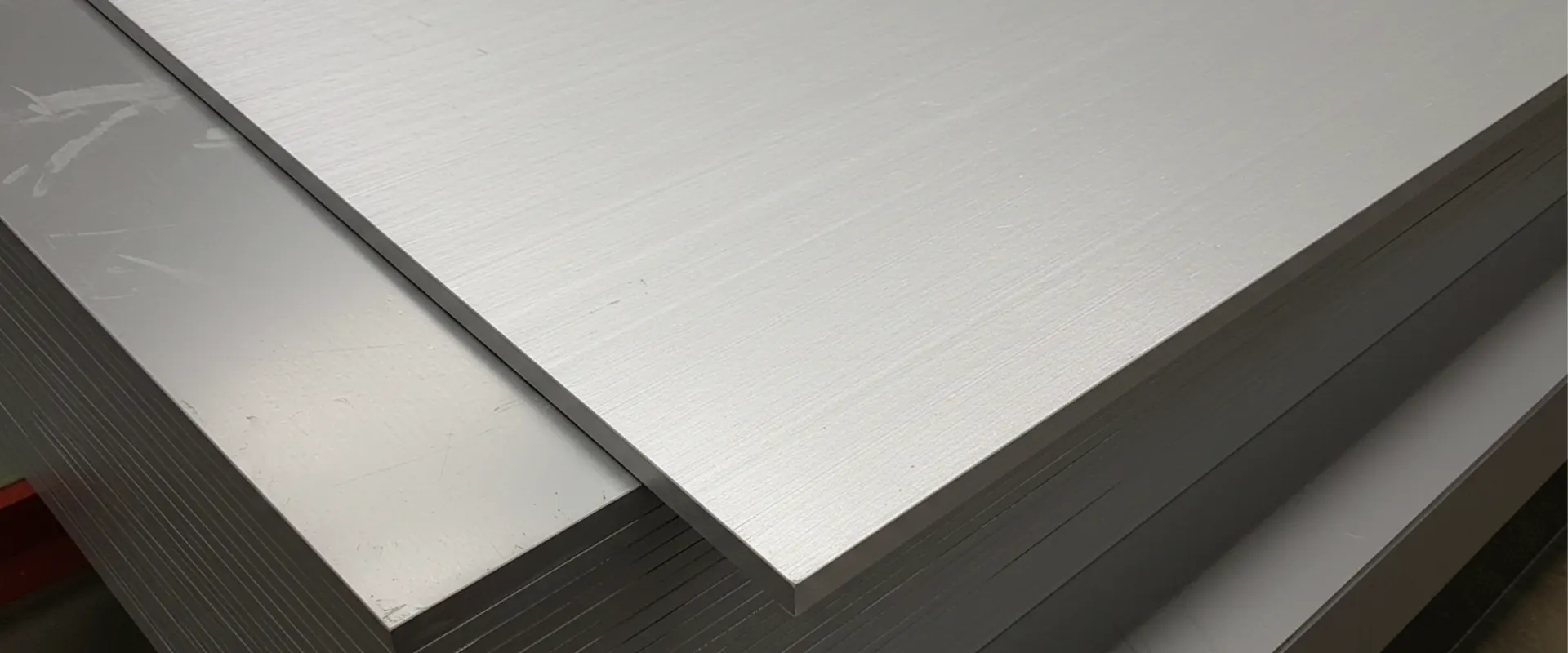
The 7000 series aluminum alloys are zinc-based, high-strength alloys with excellent mechanical properties and fatigue resistance, widely used in aerospace, military, and high-performance structural applications. Typical grades include 7075, 7050, and 7005. Corrosion resistance is moderate, so they often require surface treatments.
Density:
2.8 g/cm³
- Titanium Alloy
Titanium Alloy
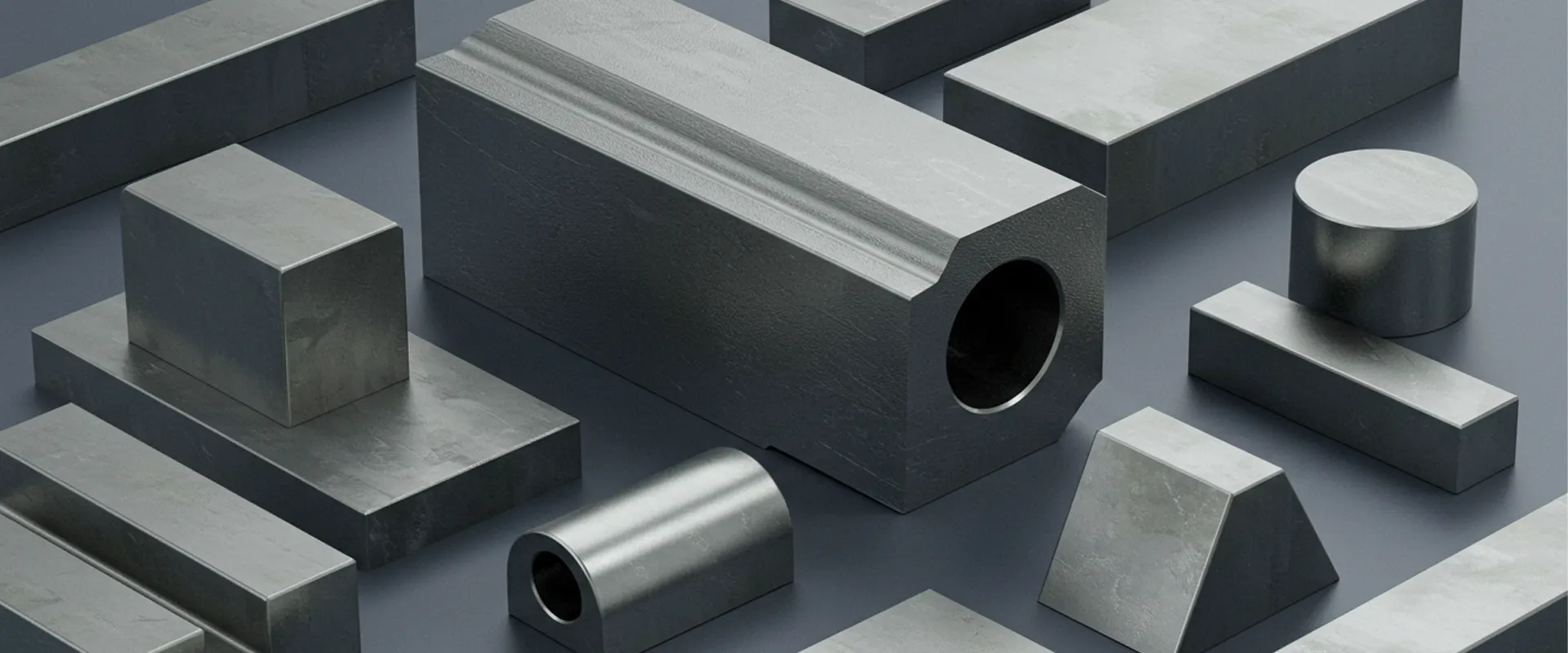
Titanium alloys are known for their high strength-to-weight ratio, excellent corrosion resistance, and good biocompatibility. They are widely used in aerospace, medical implants, chemical processing, and high-performance engineering applications. Despite being lightweight (density about 4.6 g/cm³), titanium alloys offer superior mechanical properties and resistance to extreme environments.
Density:
4.6
- 7075
7075
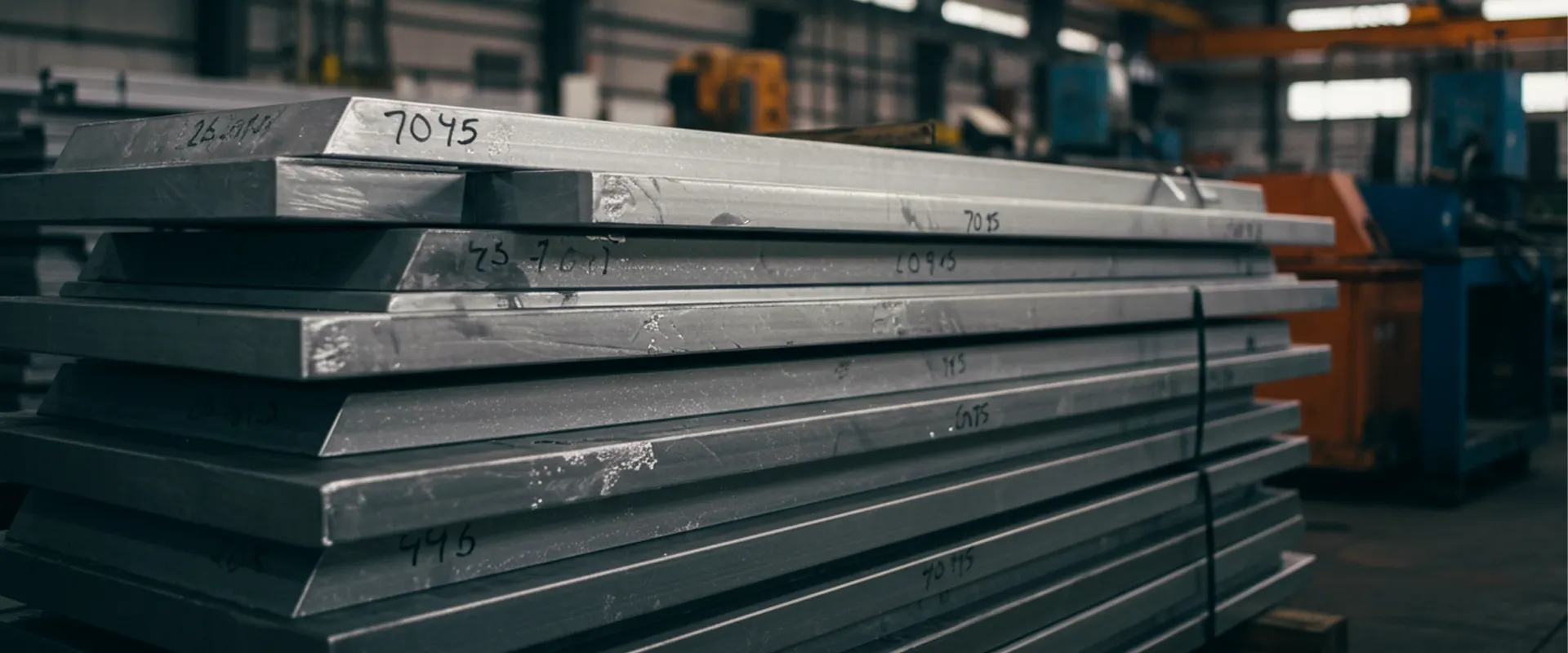
7075 is a high-strength aluminum-zinc-magnesium-copper alloy, widely used in aerospace, military, and high-performance engineering parts. It features excellent mechanical strength and fatigue resistance, with moderate corrosion resistance—so it’s often treated with anodizing or coatings.
- A2011
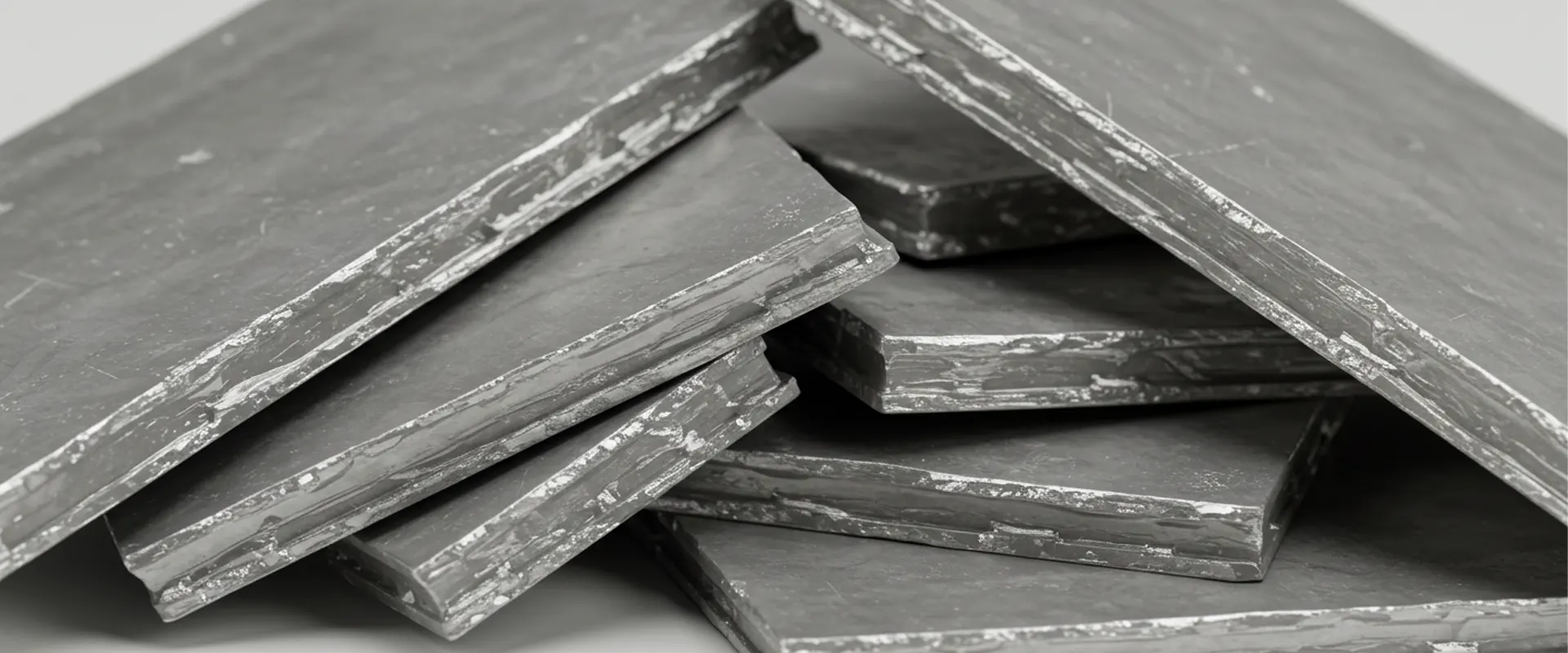
A2011
A2011 is a free-machining aluminum-copper alloy known for excellent machinability and good mechanical strength. It is often used for high-speed automatic lathes, precision turned parts, and screw machine products. It offers fair corrosion resistance and is typically used where complex shapes and fast production are required.
Density:
2.8 g/cm³
- A2024
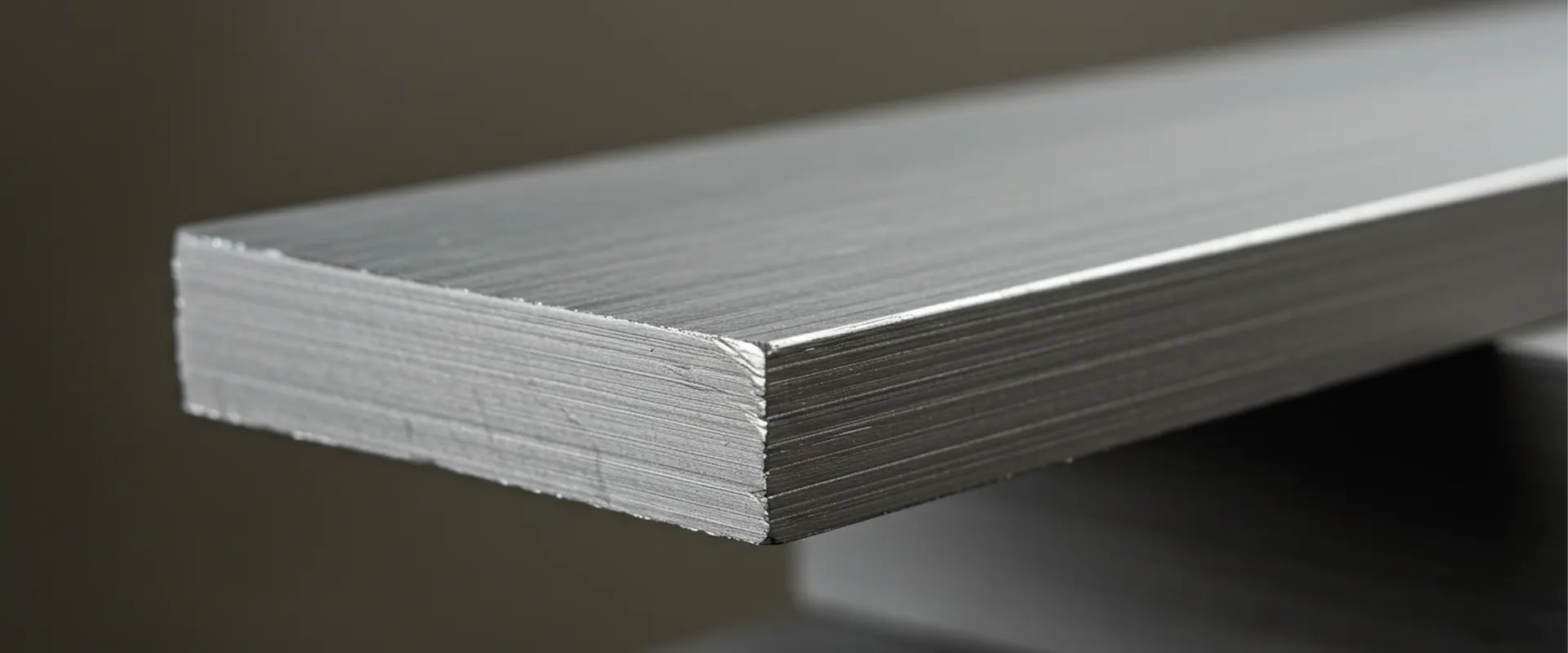
A2024
A2024 is a high-strength aluminum-copper alloy, widely recognized for its excellent fatigue resistance and good machinability. It is commonly used in aerospace structures, rivets, and precision components requiring high strength-to-weight ratio. While it has good mechanical properties, its corrosion resistance is moderate and often needs protective coatings.
Density:
2.8 g/cm³
- A7050
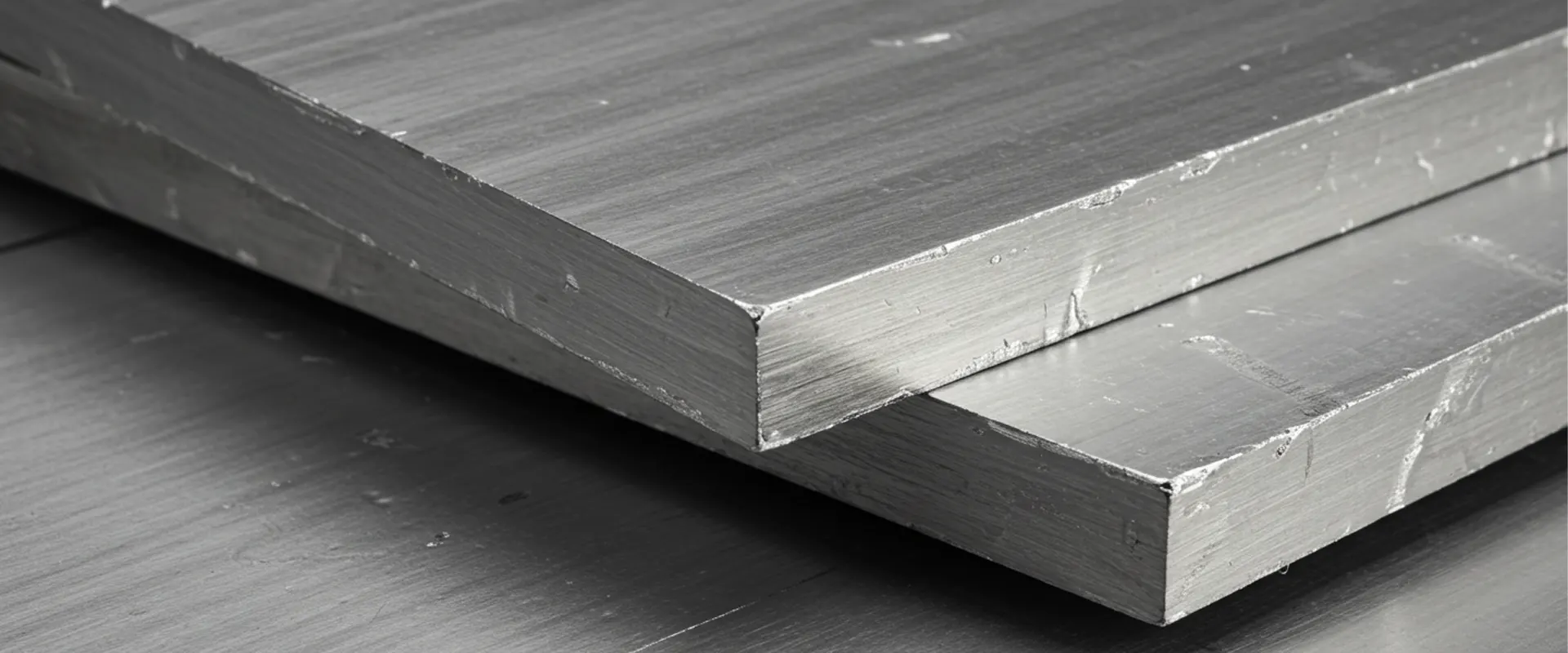
A7050
A7050 is a high-strength aluminum-zinc-magnesium-copper alloy designed mainly for aerospace structural applications. It offers very high strength, excellent fracture toughness, and good stress corrosion cracking resistance—making it suitable for thick sections and critical parts. Its overall corrosion resistance is better than some other 7000 series alloys like 7075.
Density:
2.8 g/cm³
- 11SMn30
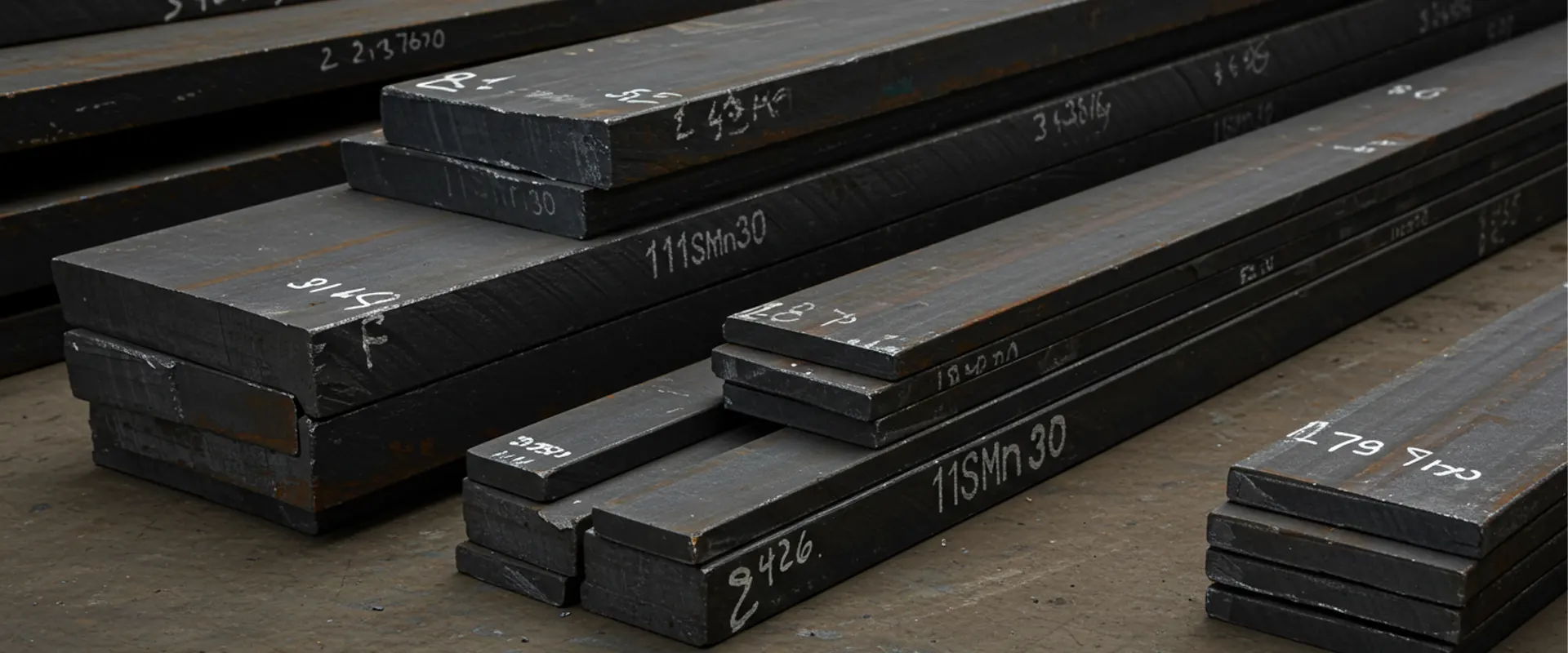
11SMn30
11SMn30 is a free-cutting non-alloy steel with added sulfur (~0.27–0.33%) to improve machinability. It offers very good machinability, making it ideal for high-volume production of turned parts, screws, and fittings. However, due to higher sulfur content, its weldability and toughness are limited.
Density:
7.9 g/cm³
If you do not see the material stock you are looking for, please choose "Custom" under the material drop-down on your quote page and submit for an expert engineering review once you have specified features, tolerances, inspection needs, and quantities required. contact us
Need The Right Waterjet Solution?
Different waterjet systems may require specific component designs. We provide CNC machining and customized part solutions to meet unique requirements for size, structure, and performance.
Abrasive System Component Manufacturing & Inspection
Manufacturing requirements differ across abrasive feeding and mixing components. Depending on the part design, relevant operations may include machining of connection interfaces, precision grinding, surface finishing, cleaning, and dimensional inspection. Production and inspection methods should be selected according to the component material, geometry, and specified application requirements.
| Surface Treatment | Process Description | Applicable Components | Purpose | |
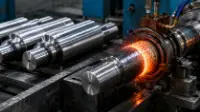 |
Precision CNC Machining | KAD utilizes advanced CNC machining equipment and strict process control to manufacture high-precision waterjet components with consistent dimensions, reliable assembly performance, and stable quality. | Hopper, valve body, mixing chamber body | Ensures assembly accuracy |
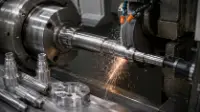 |
Precision Grinding | Removes machining marks and improves dimensional accuracy of precision fitting surfaces | Valve sealing surfaces | Ensures accurate fitting |
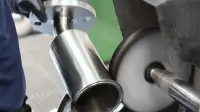 |
Surface Polishing | Improves surface smoothness to reduce friction and improve sealing contact | Mixing chamber flow areas | Reduces wear and friction |
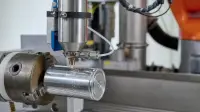 |
Ultrasonic Cleaning | The cleaning process removes machining residues, oil, dust, and contaminants from waterjet parts to ensure surface cleanliness and reliable assembly. | Finished components | Prevents cutting contamination |
If you do not see the surface finish you are looking for, please choose “Custom” on the quote page. After specifying features, tolerances, inspection requirements, and quantities, submit for an expert engineering review — or simply contact us for support.
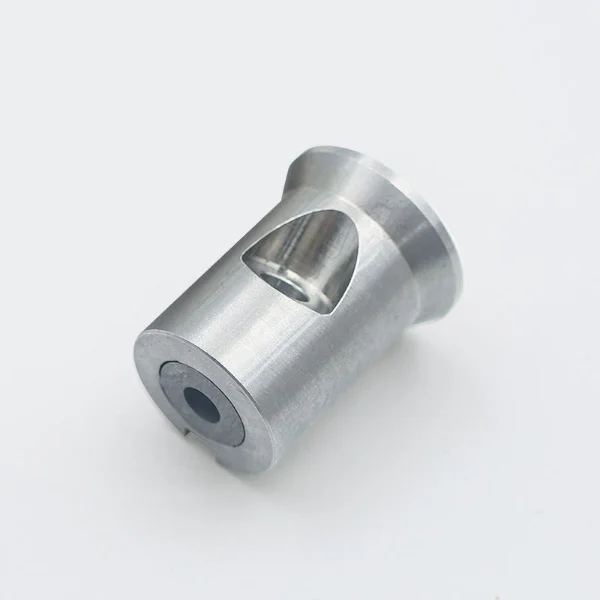
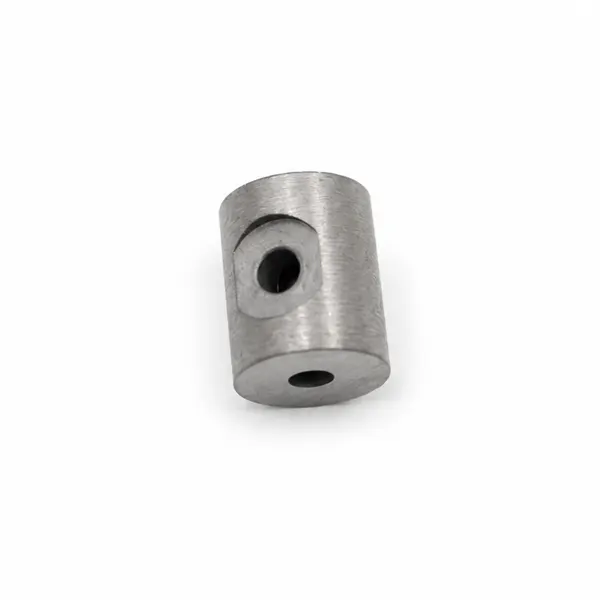
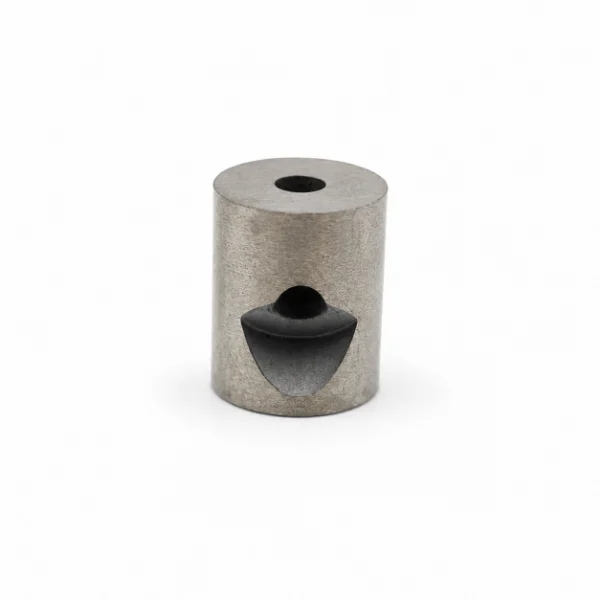
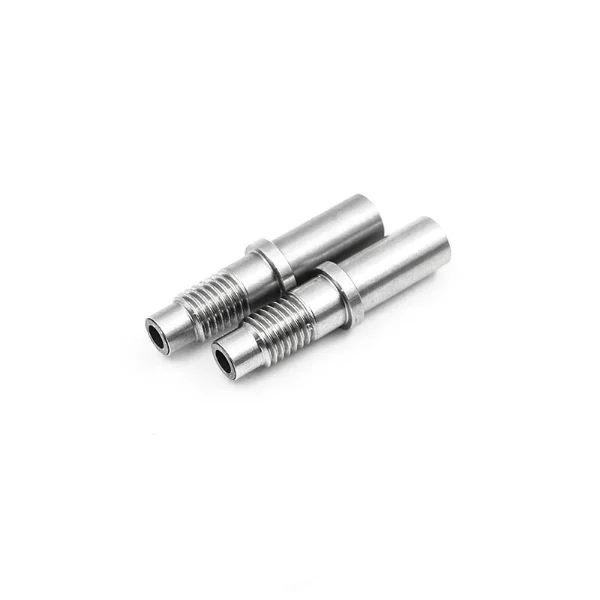
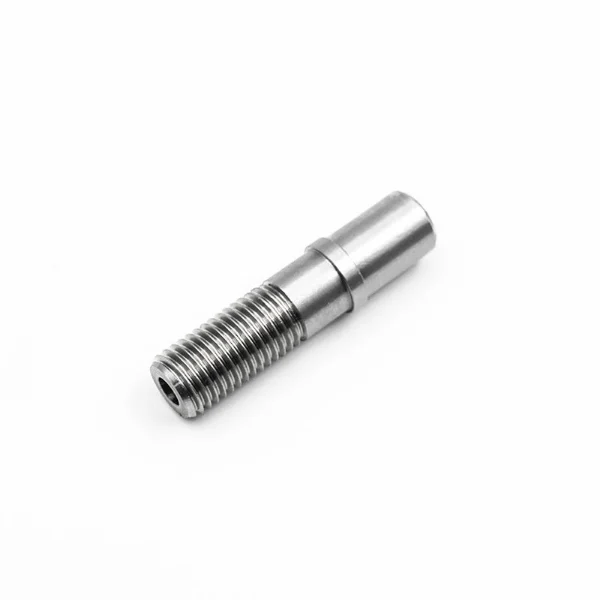
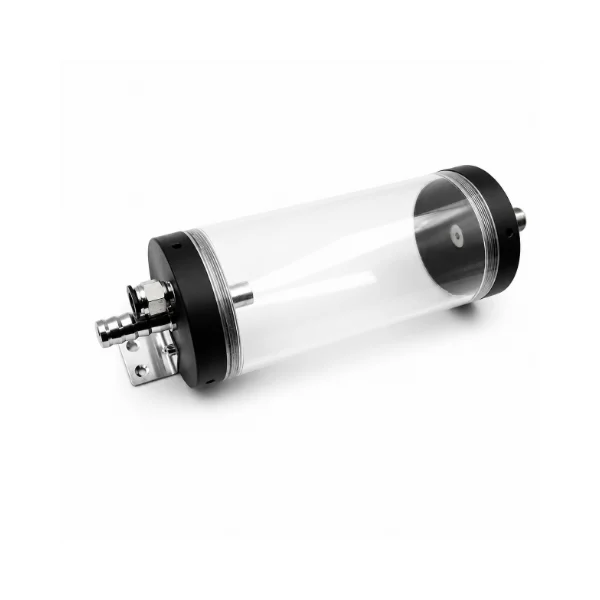
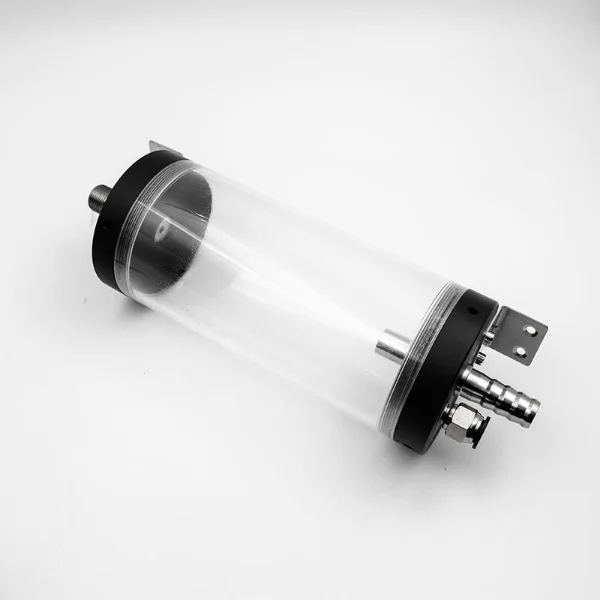
Featured Abrasive Feed & Mixing Parts
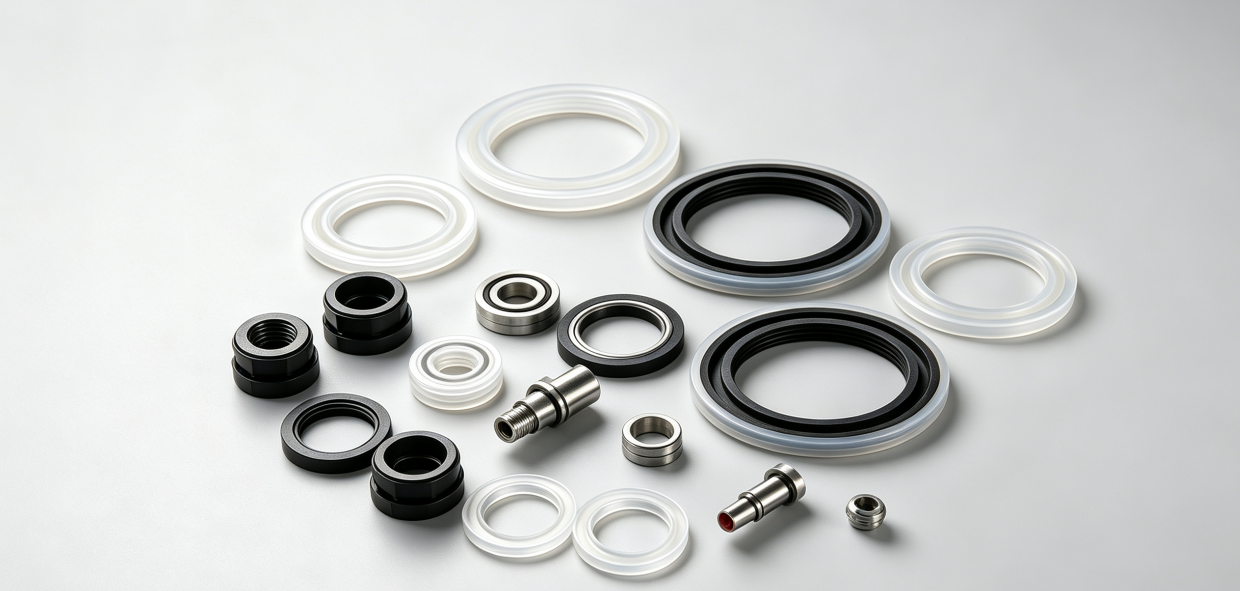
Each component is precision manufactured and inspected to ensure stable abrasive delivery, consistent cutting performance, and reliable operation in demanding industrial environments.
Frequently Asked Questions
Find answers about KAD waterjet parts, including selection, customization, compatibility, and delivery. Need more details? Contact our experts at foshankeaide2025@gmail.com

-
What components are used in a waterjet abrasive delivery system?
-
What is the function of an abrasive hopper in a waterjet machine?
-
How does an abrasive control valve work?
-
What causes inconsistent abrasive feeding in a waterjet system?
-
What is the difference between a mixing chamber and a mixing tube?
-
What information is needed when ordering abrasive system replacement parts?

What Our Customers Say

KAD provides reliable waterjet parts with accurate dimensions and stable performance. The components fit our equipment well and help reduce maintenance time.

Production Manager
From product selection to delivery, KAD provided clear communication and professional support throughout the process.

Engineering Director
KAD’s precision-machined parts provide a dependable solution for our waterjet system maintenance and replacement needs.

Operations Head
Customization Process
KAD provides a streamlined customization process from product selection and technical confirmation to precision manufacturing and final delivery. With professional engineering support and strict quality control, we ensure each waterjet part meets your equipment requirements and performance expectations.

Product Selection
Choose from KAD’s existing waterjet parts range or provide your requirements for customized components based on equipment models, drawings, or technical specifications.

Requirement Confirmation
Confirm product specifications, materials, dimensions, and technical details to ensure the solution meets your application requirements.

Precision Production
After order confirmation and deposit payment, products are manufactured through precision machining processes with strict quality control.

Inspection & Shipment
Products undergo final inspection and packaging before being safely shipped according to the agreed delivery plan.
Start Your Waterjet Project Today
We provide full-range waterjet components with stable quality, strong manufacturing capability, and flexible customization to support your production needs.
