


5 Axis Waterjet Mixing Chamber – KAD-DD31 Cutting Head Part
The KAD-DD31 5 Axis Waterjet Mixing Chamber is a replacement component for compatible multi-axis abrasive waterjet cutting heads. Its cylindrical body features an abrasive inlet and axial openings associated with the cutting head's waterjet and abrasive flow path.
During operation, the high-velocity waterjet draws garnet abrasive into the mixing region before the mixture enters the downstream focusing tube. For replacement orders, buyers should verify the chamber dimensions, inlet orientation, mounting interfaces, and cutting head model to ensure correct component selection.
- Abrasive Inlet Port
- Precision-Machined Chamber Body
- Cutting Head Replacement Fit
- Drawing-Based Parts Matching
Share:


- Description
- Specification
- Application
- FAQS
Description – Abrasive Mixing Chamber for 5-Axis Cutting Heads
The KAD-DD31 mixing chamber is designed for abrasive introduction within a compatible 5-axis waterjet cutting head assembly. It forms part of the flow path between the upstream orifice and the downstream focusing tube.
As pressurized water passes through the orifice, it forms a high-velocity jet that creates suction in the mixing region. Garnet abrasive enters through the chamber's side inlet and becomes entrained in the waterjet before traveling into the focusing tube.
The mixing chamber, orifice, abrasive feed connection, and focusing tube must be correctly matched to support consistent abrasive delivery.
For replacement applications, KAD-DD31 should be identified using the original cutting head configuration and technical dimensions rather than the number of machine axes alone.
Abrasive Inlet and Chamber Geometry
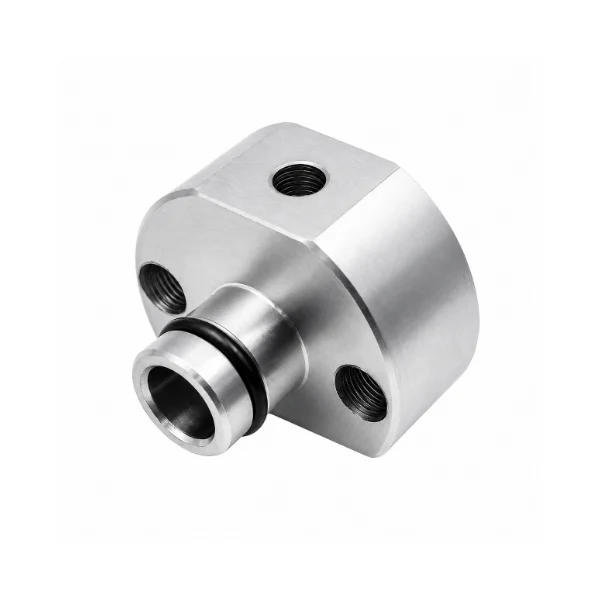
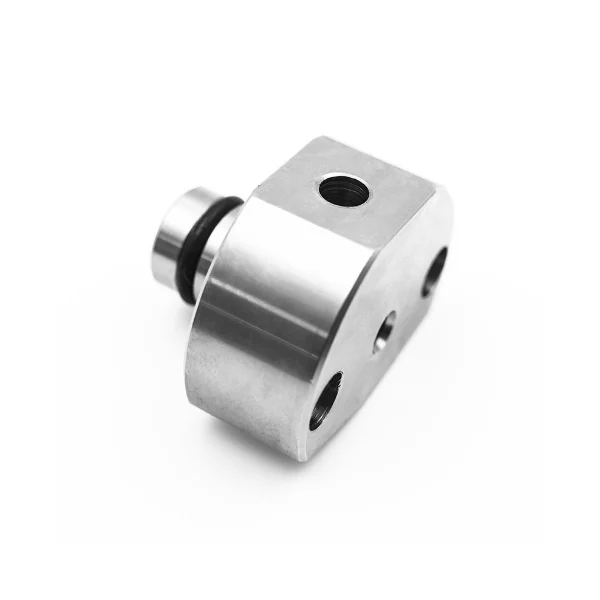
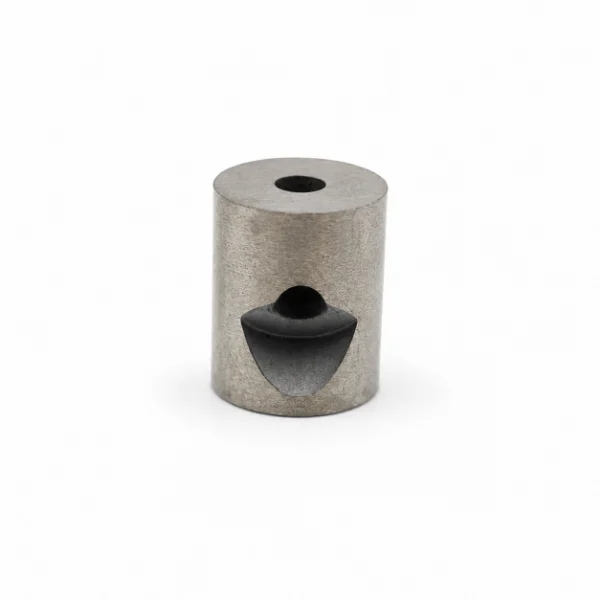
The product photograph shows a compact cylindrical metal body with a side opening and an axial passage.
The side opening provides the abrasive inlet connection associated with the cutting head. Its position and geometry must correspond to the original abrasive feed arrangement.
The axial passage forms part of the flow path connecting the upstream waterjet and the downstream focusing tube.
These geometric features are important when comparing an existing mixing chamber with a replacement component.
Orifice and Focusing Tube Compatibility
A mixing chamber works together with the orifice assembly and focusing tube rather than operating independently.
The orifice produces the high-velocity waterjet, the chamber introduces abrasive into the stream, and the focusing tube accelerates and directs the abrasive-laden jet.
For a replacement to fit correctly, buyers should verify the chamber's mounting geometry and the adjacent cutting head components.
Using a visually similar part without confirming the interfaces may result in assembly or abrasive-feed problems.
Considerations for Multi-Axis Waterjet Heads
Five-axis waterjet machines can position and orient the cutting head for angled or three-dimensional cutting operations.
The mixing chamber remains a stationary component within its local cutting head assembly. It does not independently control the machine's movement.
For multi-axis equipment, the important replacement considerations are mechanical compatibility, secure positioning, abrasive feed connection, and alignment with the orifice and focusing tube.
Engineering Strength & Manufacturing Capability
1. Abrasive Inlet Geometry Review
The abrasive entry opening is an important feature of the mixing chamber. Its location, size, and relationship to the axial flow path should be checked against the original component drawing.
Proper matching helps maintain the intended abrasive feed arrangement within the cutting head.
2. Critical Interface Dimensions
The chamber's outside dimensions, axial openings, and contact surfaces must correspond to the specified cutting head assembly.
Dimensional inspection requirements should be established according to the original design or approved replacement drawing.
3. Wear and Surface Condition Inspection
Abrasive particles can gradually wear internal chamber surfaces and inlet areas during operation.
Inspecting the inlet opening and internal passage for erosion, blockage, cracking, or other damage is important when evaluating a used component.
Replacement decisions should follow the cutting head manufacturer's maintenance recommendations.
4. Drawing-Based Replacement Identification
For technical inquiries, KAD can review part numbers, photographs, dimensions, and customer-provided drawings.
This approach helps distinguish mixing chambers that have similar external appearances but different mounting or abrasive inlet configurations.
WHY CHOOSE US
| Item | Specification |
|---|---|
| Product Code | KAD-DD31 |
| Product Type | 5-Axis Mixing Chamber |
| System Type | Waterjet Cutting Head |
| Function | Abrasive mixing & jet formation |
| Material | Stainless steel / wear-resistant alloy |
| Structure | Venturi mixing design |
| Operation | Continuous industrial use |
| Feature | High-precision multi-axis alignment |
| Application | Advanced waterjet cutting systems |
1. Five-Axis Waterjet Cutting Head Replacement
The KAD-DD31 mixing chamber is intended for replacement evaluation in compatible five-axis abrasive waterjet cutting heads.
Before ordering, maintenance teams should compare the original chamber configuration, abrasive inlet position, and mounting dimensions with the replacement part.
2. Abrasive Feed System Maintenance
Abrasive delivery problems may involve worn or blocked inlet passages, damaged components, or issues elsewhere in the abrasive feed system.
The mixing chamber should be inspected alongside the abrasive hose, orifice, and focusing tube when troubleshooting irregular abrasive flow.
3. Cutting Head Rebuilding and Inspection
During a cutting head rebuild, technicians can inspect the mixing chamber for internal erosion, inlet damage, and dimensional suitability.
Replacement may be necessary when wear or damage exceeds the limits specified by the equipment manufacturer.
4. Bevel and 3D Waterjet Equipment Servicing
Five-axis cutting systems are used for angled and three-dimensional cutting tasks. Their cutting heads contain components that require accurate assembly and regular maintenance.
KAD-DD31 may be considered for these maintenance applications where its geometry matches the specified cutting head.
5. Industrial Spare Parts Procurement
Waterjet service companies and industrial distributors can submit model information, technical drawings, photographs, and purchasing quantities to request a suitable mixing chamber.
1. What is a 5 Axis Waterjet Mixing Chamber?
It is a mixing chamber intended for a compatible five-axis abrasive waterjet cutting head. The component provides a region where abrasive particles enter the high-velocity waterjet before passing into the focusing tube.
The term "5 Axis" identifies the intended cutting system configuration, not the number of moving axes inside the mixing chamber.
2. What is the difference between a 3-axis and a 5-axis waterjet mixing chamber?
The axis count describes the cutting machine's movement capability. It does not automatically determine the mixing chamber's performance or internal design.
Differences between replacement parts may involve body dimensions, abrasive inlet positions, mounting interfaces, or cutting head compatibility.
The original part number and dimensions should be compared before selecting an alternative.
3. Is the KAD-DD31 mixing chamber the same as a waterjet mixing tube?
No. The mixing chamber provides the region where abrasive enters the waterjet, while the mixing tube, also called the focusing tube, is positioned downstream to accelerate and direct the abrasive-laden stream.
These components perform different functions and must be correctly matched within the cutting head.
4. How can I identify a compatible KAD-DD31 replacement?
Provide the cutting head manufacturer and model, existing part number, and photographs of the original component.
The chamber dimensions, abrasive inlet orientation, axial openings, and mounting interfaces should be verified before ordering.
5. What problems can indicate mixing chamber wear?
Possible signs include visible inlet erosion, internal damage, abrasive blockage, or inconsistent abrasive suction.
However, similar symptoms may also be caused by a worn orifice, damaged focusing tube, blocked abrasive hose, or other cutting head problems. Inspect the complete abrasive delivery path before determining the replacement part.
6. Can KAD manufacture or supply mixing chambers based on technical drawings?
KAD accepts OEM/ODM inquiries for waterjet components. Buyers can provide drawings, reference samples, dimensions, material requirements, and estimated order quantities for technical evaluation.
Manufacturing feasibility, material grade, compatibility, and delivery terms should be confirmed before placing an order.