





Waterjet Check Valves: Working Principle, Types and Troubleshooting
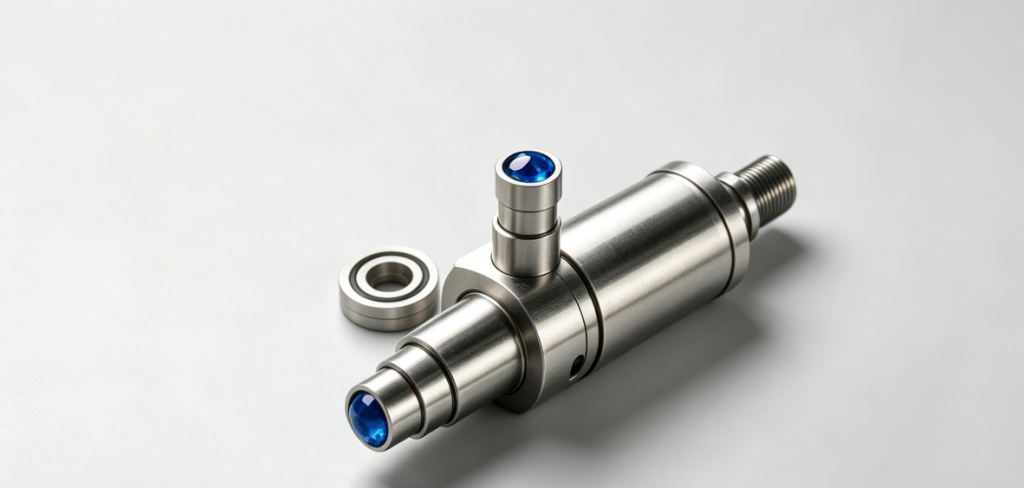
Waterjet check valves control the direction of water flow inside high-pressure intensifier pumps, helping maintain pressure stability during cutting operations. Inlet check valves allow water to enter the pumping chamber, while outlet check valves direct pressurized water toward the cutting system. When these components become worn or damaged, equipment may experience pressure fluctuations, leakage, or irregular pump cycling. Understanding their operating principles, common failures, and replacement requirements helps maintenance teams identify suitable components and minimize unnecessary downtime.
What Is a Waterjet Check Valve?
A waterjet check valve is a mechanical component designed to permit water flow in one direction while restricting reverse flow. It plays an important role in the fluid end of a waterjet intensifier pump.
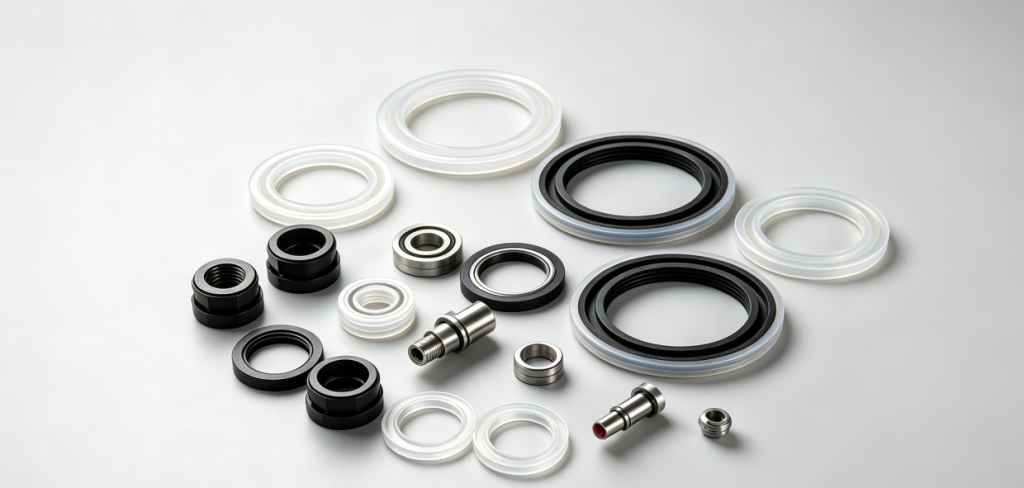
A typical poppet-style check valve assembly may contain a valve body, poppet, seat, spring, retainer, and associated sealing components. The exact construction depends on the pump manufacturer and valve design.
Although the terms "one-way valve" and "check valve" are often interchangeable, a pilot-operated hydraulic check valve is a different configuration used in hydraulic control circuits. Its reverse-flow function can be opened by an external pilot pressure signal.
How Do Waterjet Intensifier Check Valves Work?
Waterjet intensifier pumps use reciprocating motion to pressurize water. Check valves coordinate water intake and discharge during each pumping cycle.
During the intake phase, the inlet check valve opens to allow incoming water to enter the pumping chamber. During the compression phase, the inlet valve closes as pressure increases.
The outlet check valve opens when chamber pressure exceeds the downstream pressure and the valve's opening requirements. Pressurized water then flows toward the high-pressure delivery system.
This repeated opening and closing process supports one-way water movement and consistent pressure generation.
Inlet vs. Outlet Waterjet Check Valves
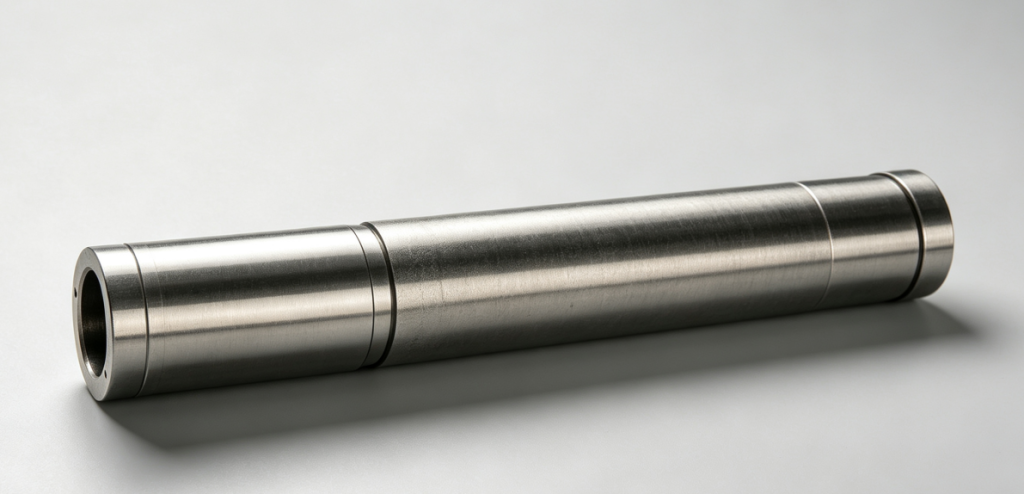
Inlet Check Valve
The inlet check valve controls the entry of feed water into the intensifier's pumping chamber. It closes during the compression phase to limit reverse flow toward the inlet water circuit.
A worn inlet poppet, damaged seat, or contamination may prevent proper sealing and contribute to reduced pumping efficiency.
Outlet Check Valve
The outlet check valve permits high-pressure water to leave the intensifier while restricting reverse flow toward the pumping chamber.
Wear or damage to the outlet poppet, seat, or spring may cause internal leakage, pressure instability, or abnormal temperature increases around affected components.
Both valve types are important for reliable waterjet operation, but their structures, operating conditions, and replacement specifications may differ.
Common Waterjet Check Valve Problems and Failure Symptoms
Waterjet check valves experience repeated pressure cycles, which can gradually affect sealing surfaces and moving components.
Common warning signs include:
- Unstable or fluctuating high-pressure water output.
- Unexpected pressure loss during normal cutting operations.
- Abnormal intensifier cycling or repeated overstroke conditions.
- Unusual temperature increases around affected valve assemblies.
- Pitting, erosion, scoring, or visible damage to valve sealing surfaces.
- Internal water leakage caused by worn or contaminated valve components.
These symptoms do not always indicate a defective check valve. High-pressure seals, cutting orifices, water supply problems, and other pump components should also be evaluated during troubleshooting.
Waterjet Check Valve Inspection and Maintenance
Regular inspection helps identify worn or damaged components before they cause extended production interruptions.
Before performing maintenance, shut down the equipment, isolate the appropriate energy sources, and fully depressurize the waterjet system according to the equipment manufacturer's procedures.
During inspection, maintenance personnel should examine the valve body, poppet, seat, spring, and sealing components for wear, contamination, cracks, or damaged contact surfaces.
Replacement parts should meet the pump manufacturer's dimensional and performance requirements. Assembly procedures, tightening torque, and testing conditions must follow the applicable equipment manual.
After servicing, the system should undergo the manufacturer's specified functional and leak checks before returning to normal operation.
How to Select Replacement Waterjet Check Valves
Choosing a compatible replacement requires more than matching the general appearance of a valve.
Buyers and maintenance engineers should confirm the following information before ordering:
- Pump Model: Identify the equipment manufacturer and intensifier pump model.
- Original Part Number: Compare the replacement with the existing OEM reference or component drawing.
- Operating Pressure: Confirm that the replacement is rated for the intended waterjet system.
- Valve Position: Determine whether an inlet check valve, outlet check valve, valve body, or complete assembly is required.
- Material and Sealing Design: Check material specifications, sealing interfaces, and wear resistance requirements.
- Installation Dimensions: Verify critical dimensions, mounting features, and connection details.
For industrial maintenance and bulk purchasing, accurate component identification can help reduce installation problems and unnecessary replacement costs.
Waterjet Check Valves for Industrial Maintenance and Bulk Supply
KAD supplies waterjet replacement components for industrial cutting equipment, including check valve bodies, inlet valve components, and related high-pressure pump parts.
Industrial buyers, maintenance companies, and distributors can provide existing part numbers, equipment models, technical drawings, or component photographs for compatibility evaluation.
For suitable replacement options, explore KAD's waterjet valve range or contact the team with your component specifications and purchasing requirements.
Frequently Asked Questions About Waterjet Check Valves
1. What does a waterjet check valve do?
A waterjet check valve allows water to flow in one direction and restricts reverse flow. In intensifier pumps, these valves coordinate water intake and high-pressure discharge during repeated pumping cycles.
2. What is the difference between inlet and outlet check valves?
Inlet check valves control water entering the pumping chamber, while outlet check valves control pressurized water leaving the intensifier. Their operating conditions and component designs may differ.
3. How can I tell if a waterjet check valve is failing?
Possible symptoms include pressure fluctuations, unusual pump cycling, internal leakage, and abnormal component temperatures. These signs require further inspection because other pump problems may produce similar symptoms.
4. Can a worn waterjet check valve be repaired?
Certain valve components may be serviced or replaced, depending on the manufacturer's design and maintenance instructions. Damaged sealing surfaces, cracked bodies, or severely worn parts may require replacement.
5. How do I choose the correct waterjet check valve replacement?
Confirm the original part number, intensifier pump model, valve location, pressure rating, and installation dimensions. Component photographs or engineering drawings may also help identify a compatible replacement.
6. What is the difference between a waterjet one-way valve and a check valve?
The terms are often used interchangeably to describe valves that restrict reverse flow. However, pilot-operated hydraulic check valves have an additional control mechanism and should not be confused with ordinary waterjet pump inlet or outlet check valves.
