





Waterjet Cutting Machine Parts: 8 Essential Types and Functions
Waterjet cutting machine parts play an important role in pressure generation, water flow control, abrasive delivery, and cutting performance. From intensifier components and high-pressure seals to cutting heads and focusing tubes, each part performs a specific function within the system.
Understanding these components helps equipment owners, maintenance teams, and industrial buyers identify replacement requirements, plan maintenance, and select compatible parts. This guide explains eight major categories of waterjet replacement parts, their functions, and the key factors to consider when sourcing them.
How Do Waterjet Cutting Machine Components Work Together?
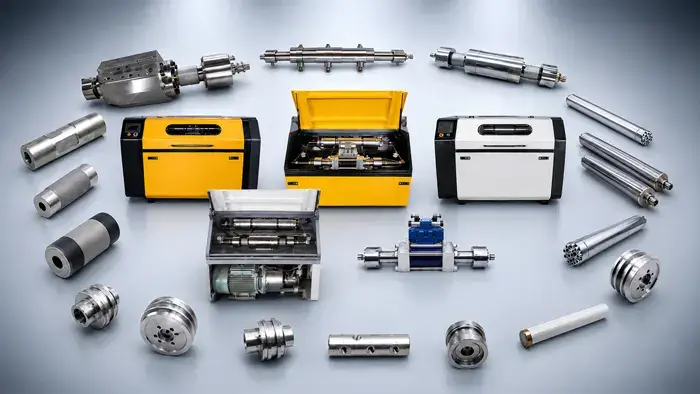
An industrial abrasive waterjet cutting system uses several connected systems to produce and control a high-velocity cutting stream.
- High-pressure water system: Generates, controls, and delivers pressurized water to the cutting head.
- Cutting head assembly: Forms the waterjet stream, introduces abrasive particles, and directs the resulting cutting jet.
- Abrasive delivery system: Supplies abrasive material at a controlled rate.
- Hydraulic system: Powers and controls the pressure intensification process in hydraulically driven intensifier designs.
Different systems use different pump designs and component configurations. Replacement parts must therefore be selected according to the specific machine and assembly.
8 Main Types of Waterjet Cutting Machine Parts
1. Waterjet Intensifier Parts
Waterjet intensifier parts are used in hydraulically driven high-pressure pump assemblies. The intensifier converts hydraulic power into high-pressure water required for industrial cutting.
Common components include:
- High-pressure cylinders
- Ceramic plungers or other applicable plunger designs
- Intensifier pistons
- Check valve components
- High-pressure cylinder fittings
- Related pump replacement parts
Worn or damaged intensifier components may contribute to pressure instability, internal leakage, abnormal pump operation, or reduced cutting performance. Replacement parts must match the original pump configuration and operating requirements.
2. Waterjet Seals & Seal Kits
Waterjet sealing components help prevent fluid leakage at designated sealing interfaces in pumps, valves, and related assemblies.
Common sealing components include:
- High-pressure water seals
- Low-pressure seals
- O-rings
- Backup rings
- Valve sealing components
- Maintenance seal kits
Different sealing locations require different materials, dimensions, and operating characteristics. Incorrect seal selection may lead to premature wear or leakage.
When purchasing replacement seals, confirm the original part number, sealing location, component dimensions, and specified operating conditions.
3. Waterjet Cutting Head Parts
The waterjet cutting head converts the pressurized water supply into a directed cutting stream. Abrasive cutting heads also incorporate components that allow abrasive particles to enter the jet.
Common cutting head replacement parts include:
- Cutting head bodies
- Nozzle bodies
- On/off valve components
- Mixing chambers
- Retaining nuts and clamps
- Protective components
- Related connectors and mounting parts
Cutting head components must be correctly matched and assembled to maintain jet alignment and reliable operation.
For replacement inquiries, check the cutting head model, original part number, connection design, and assembly configuration.
4. Waterjet Orifice & Jewel Parts
The waterjet orifice is a precision component that converts high-pressure water into a concentrated, high-velocity stream.
Ruby, sapphire, and diamond are commonly used jewel materials in different waterjet applications.
Important selection factors include:
- Orifice diameter
- Jewel material
- Mounting configuration
- Compatible cutting head design
- Operating pressure requirements
Orifice condition can affect jet formation and stability. Damage, contamination, or wear may contribute to irregular jet behavior and reduced cutting quality.
Replacement orifices should be selected according to the equipment specifications rather than material type alone.
5. Waterjet Mixing Tubes
Waterjet mixing tubes, also known as focusing tubes, guide the abrasive-laden stream after abrasive particles have entered the mixing chamber.
The focusing tube helps direct the cutting stream toward the workpiece. Its internal bore is exposed to continuous abrasive wear during operation.
Common inspection concerns include:
- Internal bore wear
- Excessive erosion
- Irregular cutting patterns
- Increased cutting taper
- Reduced edge quality
Mixing tube dimensions and mounting configurations vary between cutting head systems. Buyers should confirm the inner diameter, outer diameter, length, and reference part number before ordering.
6. Waterjet Valves & High-Pressure Tubing
Waterjet valves and tubing are used to control and transport pressurized water between designated components of the cutting system.
Typical replacement items include:
- Waterjet check valves
- Water switch valve components
- High-pressure tubing
- Elbow connectors
- High-pressure fittings
- Adapters and connection parts
Check valves control flow direction within the applicable water circuit, while other valves manage specific operating functions.
High-pressure tubing and fittings require particular attention to pressure ratings, dimensions, connection geometry, and component condition.
7. Waterjet Abrasive System Parts
The abrasive delivery system supplies abrasive material to the cutting head in abrasive waterjet applications.
Common components may include:
- Abrasive control valves
- Abrasive inlet tubes
- Abrasive delivery hoses
- Abrasive storage and feeding components
- Mixing system accessories
Consistent abrasive delivery depends on the equipment design, abrasive condition, feed settings, and component cleanliness.
Moisture, blocked passages, damaged delivery lines, or worn components can interrupt abrasive flow and affect cutting performance.
8. Waterjet Hydraulic Parts
In hydraulic intensifier systems, hydraulic components provide and control the oil-side power needed to drive the intensifier assembly.
Typical hydraulic components include:
- Hydraulic cylinders
- Hydraulic pistons
- Hydraulic manifolds
- Directional and reversing valves
- Filter components
- Cooling-related parts
Hydraulic systems and high-pressure water circuits perform different functions and must be maintained according to their respective specifications.
When identifying replacement hydraulic components, check the valve type, connection ports, oil-side pressure requirements, component dimensions, and original part number.
Common Signs That Waterjet Parts May Need Inspection
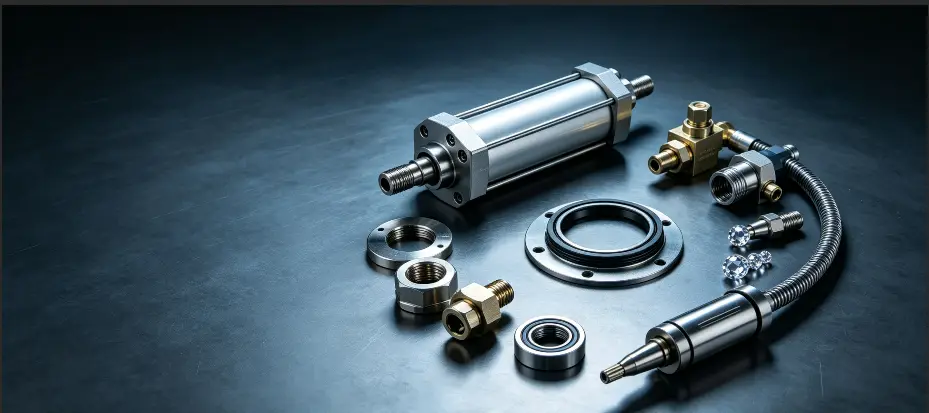
Knowing which components to inspect can help maintenance teams identify potential problems before selecting replacement parts.
| Observed Problem | Components to Inspect |
|---|---|
| Unstable water pressure | Intensifier components, check valves and high-pressure seals |
| Water leakage | Seals, valve interfaces, tubing connections and high-pressure fittings |
| Irregular cutting stream | Orifice, cutting head alignment and focusing tube |
| Poor edge quality or increased taper | Mixing tube condition, orifice alignment and cutting parameters |
| Interrupted abrasive flow | Abrasive inlet, feed lines, abrasive valves and material condition |
| Abnormal hydraulic operation | Hydraulic valves, cylinders, filters and related control components |
These are general inspection indicators, not confirmed diagnoses. Actual failures should be evaluated according to the machine manufacturer's service procedures.
Safety note: High-pressure waterjet equipment can retain hazardous pressure. Inspection, disassembly, and replacement work should only be performed by qualified personnel after following the manufacturer's shutdown and depressurization procedures.
How to Choose the Right Waterjet Replacement Parts
Selecting suitable waterjet cutting machine parts requires more than matching the product name. Parts that look similar may have different dimensions, pressure ratings, connection interfaces, or internal designs.
Before requesting a quotation, prepare the following information:
- Machine brand and model: Identify the specific waterjet machine or pump configuration.
- Original part number: Provide the manufacturer reference number whenever available.
- Component dimensions: Confirm relevant diameters, lengths, threads, and mounting details.
- Operating requirements: Specify pressure ratings, materials, and other applicable technical conditions.
- Reference materials: Include photographs, samples, or technical drawings when identification is uncertain.
- Order quantity: State the required number of replacement parts or maintenance kits.
Proper identification helps reduce the risk of ordering incompatible components and simplifies communication with the parts supplier.
Waterjet Consumables vs. Structural Replacement Parts
Not all waterjet components require replacement at the same frequency.
Consumable and wear parts may include jewel orifices, mixing tubes, high-pressure seals, and selected valve components. Their replacement requirements depend on operating hours, abrasive quality, water quality, pressure, and equipment conditions.
Structural and mechanical replacement parts may include high-pressure cylinders, valve bodies, nozzle bodies, hydraulic manifolds, and selected pump components. These parts are typically inspected according to their condition and the manufacturer's maintenance recommendations.
Maintenance intervals should not be determined from product categories alone. The applicable equipment manual and inspection findings should guide replacement decisions.
Sourcing Waterjet Spare Parts from KAD
KAD manufactures and supplies replacement components for industrial waterjet cutting systems, covering eight major product categories.
Our product range supports inquiries from waterjet equipment owners, industrial maintenance companies, machinery parts suppliers, and distributors.
Customers can provide machine details, reference part numbers, technical drawings, and required quantities for product identification and quotation review.
For customized components, manufacturing feasibility and specifications are reviewed according to the part design and order requirements.
Frequently Asked Questions About Waterjet Cutting Machine Parts
1. What are the main parts of a waterjet cutting machine?
Major waterjet cutting system components include the high-pressure pump, cutting head, orifice, mixing tube, valves, tubing, abrasive delivery system, and associated control components. Hydraulic intensifier systems also contain hydraulic power and control parts.
2. Which waterjet parts require regular replacement?
Common wear components include orifices, focusing tubes, high-pressure seals, and selected valve parts. Replacement intervals vary with equipment design, water quality, abrasive condition, operating pressure, and actual wear.
3. What is the difference between a waterjet orifice and a mixing tube?
The orifice forms a concentrated high-velocity water stream. In an abrasive cutting head, abrasive particles enter the stream within the mixing chamber. The mixing or focusing tube then guides and accelerates the abrasive-laden jet toward the workpiece.
4. Are waterjet replacement parts interchangeable between different machine brands?
Not necessarily. Compatibility depends on the specific equipment model, original part number, dimensions, pressure rating, and assembly design. Parts should be reviewed individually before purchasing.
5. What information should I provide when ordering waterjet spare parts?
Provide the machine model, original part number, component dimensions, quantity, and relevant technical specifications. Reference photographs or drawings are helpful when the exact part number is unavailable.
6. Can KAD support custom waterjet component manufacturing?
KAD accepts inquiries for customized waterjet replacement components based on drawings, samples, and technical specifications. Production feasibility, material requirements, quantities, and inspection needs are reviewed before quotation.
