





Waterjet Oil Seals: Types, Materials, Installation and Maintenance
Waterjet oil seals help contain hydraulic fluid and protect moving components inside waterjet equipment. The correct seal depends on its installation location, movement type, oil compatibility, temperature, and operating pressure. This guide explains common oil seal designs, suitable materials, production considerations, installation practices, and typical leakage causes. It also outlines what maintenance teams and industrial buyers should check before ordering replacement waterjet oil seals, helping them avoid mismatched components, reduce unplanned downtime, and maintain reliable hydraulic system operation.
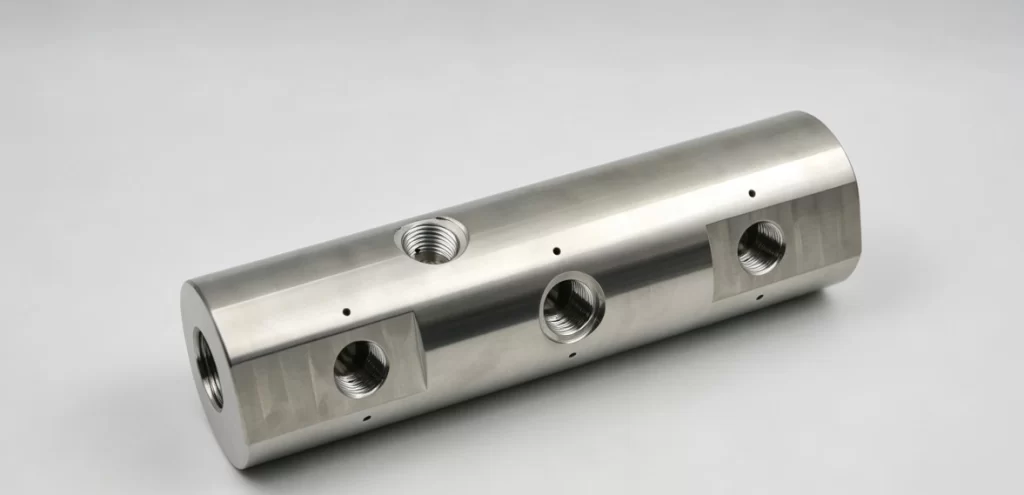
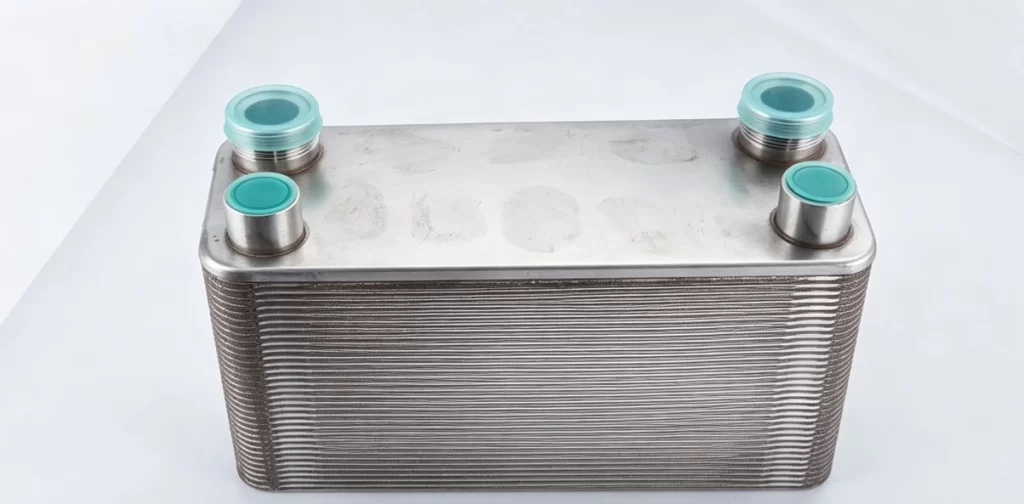
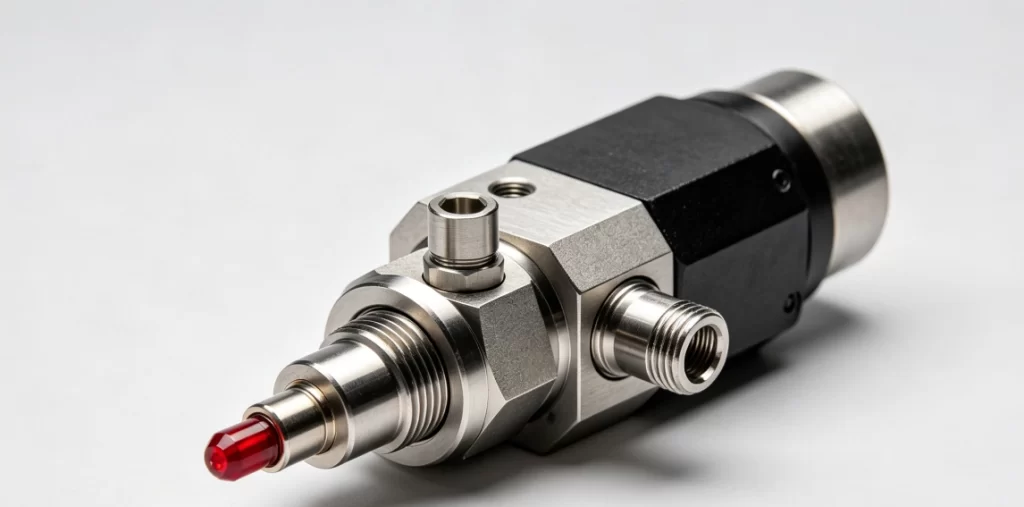
Where Are Waterjet Oil Seals Used?
Waterjet cutting equipment relies on hydraulic power to support intensifier pump operation. Oil seals and related hydraulic sealing components help control fluid leakage and protect important mechanical assemblies.
Depending on the equipment design, sealing components may be installed in several locations:
- Hydraulic Cylinders: Rod and piston seals help control oil leakage during reciprocating movement.
- Rotating Shaft Assemblies: Radial shaft oil seals help retain lubricant and limit contamination around rotating shafts.
- Hydraulic Pump Components: Suitable seals maintain separation between pressurized hydraulic fluid and surrounding components.
- Manifold Connections: Static sealing components prevent leakage between fixed mating surfaces.
- Hydraulic Actuation Systems: Various sealing elements support reliable movement and fluid control.
The appropriate sealing design depends on the type of movement, pressure conditions, and original equipment specifications.
Common Types of Waterjet Oil Seals
Radial Shaft Oil Seals
Radial shaft oil seals are primarily designed for rotating shaft applications. Many designs use an elastomeric sealing lip, metal reinforcement, and an optional garter spring to maintain contact with the shaft.
They are suitable for specific lubrication-retention applications but should not automatically be substituted for high-pressure hydraulic cylinder seals.
Hydraulic Rod and Piston Seals
Rod seals help retain hydraulic fluid inside a cylinder while allowing reciprocating rod movement. Piston seals limit fluid bypass between pressure chambers.
These components typically require different profiles and performance characteristics from ordinary rotary oil seals.
Static Seals and O-Rings
Static sealing components are used between surfaces without relative movement. They may be installed in hydraulic connections, manifolds, and other fixed interfaces.
Their dimensions and materials must be compatible with the applicable groove design, hydraulic medium, and pressure conditions.
How to Choose Materials for Waterjet Oil Seals
Seal material selection affects oil compatibility, wear resistance, friction, temperature performance, and service life.
NBR — Nitrile Rubber
NBR is commonly used in industrial oil sealing applications because of its compatibility with many petroleum-based oils and its cost-effective performance.
Suitability depends on the specific NBR compound, fluid formulation, and operating conditions.
FKM — Fluoroelastomer
FKM compounds are frequently selected for applications requiring elevated-temperature performance and compatibility with certain hydraulic fluids and lubricants.
Actual compatibility must be checked against the specific fluid and material grade.
PTFE — Polytetrafluoroethylene
PTFE-based seals offer low friction and broad chemical resistance. They may be used in specialized dynamic sealing configurations where conventional elastomeric materials are unsuitable.
The complete seal design, including any energizing elements, must be evaluated for pressure, movement, and installation requirements.
Common Causes of Waterjet Oil Seal Leakage
Oil leakage can affect hydraulic system efficiency, increase maintenance requirements, and contaminate nearby equipment.
Typical causes include:
- Damaged or worn sealing lips.
- Incorrect sealing material for the hydraulic fluid.
- Scratched or improperly finished shafts and mating surfaces.
- Misaligned components or excessive shaft movement.
- Contamination from particles or maintenance debris.
- Incorrect seal dimensions or installation orientation.
- Excessive temperature or pressure for the selected seal design.
Before replacing a seal, maintenance personnel should identify the actual leakage source. A damaged shaft, unsuitable seal groove, or abnormal operating condition may cause repeated failures even after a new seal is installed.
Waterjet Oil Seal Installation and Maintenance Tips
Correct installation is essential for maintaining sealing performance.
Before installation, clean the relevant housing and inspect the shaft, bore, and sealing surfaces for scratches, burrs, corrosion, or other damage.
Confirm the replacement seal's dimensions, material, and orientation against the equipment manufacturer's technical requirements.
Use appropriate installation tools to apply even pressure and prevent deformation. Where required by the seal manufacturer, use a compatible assembly lubricant and protect the sealing lip from sharp edges during installation.
After installation, carry out the specified inspection and operational checks to confirm that the seal performs correctly.
Maintenance procedures must follow the applicable equipment manual. Hydraulic systems should be shut down, isolated, and depressurized before components are disassembled.
How to Select Replacement Waterjet Oil Seals
Selecting the correct replacement seal requires more than matching its approximate diameter.
Industrial purchasers should provide the following information:
- Equipment Model: Waterjet machine and hydraulic system identification.
- Original Part Number: OEM reference or existing seal identification.
- Seal Dimensions: Inner diameter, outer diameter, width, and relevant groove dimensions.
- Seal Material: Required elastomer or polymer specification.
- Operating Conditions: Hydraulic pressure, temperature, fluid type, and movement.
- Quantity Requirements: Individual replacement, maintenance inventory, or bulk purchasing quantities.
For maintenance companies and distributors, accurate technical information helps confirm product compatibility and simplify repeat orders.
Waterjet Sealing Components for Industrial Buyers
KAD supplies waterjet sealing components and related hydraulic replacement parts for industrial cutting equipment.
Its product range includes high-pressure sealing kits, low-pressure hydraulic seals, check valve sealing components, and other parts for waterjet pump maintenance.
Maintenance companies, equipment operators, and distributors can contact KAD with original part numbers, equipment models, drawings, or component samples to discuss compatible replacement options.
Explore KAD's Waterjet Seals & Seal Kits and Waterjet Hydraulic Parts categories for additional product information.
Frequently Asked Questions About Waterjet Oil Seals
1. What are waterjet oil seals used for?
Waterjet oil seals help retain hydraulic oil and limit leakage around appropriate sealing locations in waterjet equipment. Depending on their design, sealing components may be used in hydraulic cylinders, rotating shaft assemblies, and other hydraulic system connections.
2. What materials are commonly used for waterjet oil seals?
Common sealing materials include NBR, FKM, and PTFE-based compounds. The appropriate material depends on hydraulic fluid compatibility, operating temperature, pressure, movement, and the specific seal design.
3. Why do waterjet oil seals leak?
Common causes include worn sealing lips, scratched mating surfaces, contamination, incorrect installation, unsuitable seal materials, and abnormal operating conditions. Identifying the actual leakage source is important before replacing the component.
4. How often should waterjet oil seals be replaced?
There is no universal replacement interval for every waterjet oil seal. Service life depends on equipment design, operating conditions, material selection, contamination, and maintenance practices. Follow the equipment manufacturer's inspection and replacement recommendations.
5. Can I replace a waterjet oil seal with a standard hydraulic seal?
Only when the replacement has been verified as suitable for the original application. Matching dimensions alone is insufficient because seal profiles, materials, movement requirements, and pressure ratings may differ.
6. What information is needed to order replacement waterjet oil seals?
Buyers should provide the equipment model, original part number, seal dimensions, material requirements, and operating conditions. Drawings or component samples may help suppliers confirm suitable replacement options.
