





Waterjet Seal Maintenance: Oil Leaks, Wear & Replacement Guide
Waterjet seal maintenance is essential for maintaining reliable pump operation and preventing fluid leakage in industrial waterjet cutting equipment. Hydraulic oil seals, piston seals, O-rings, and high-pressure water seals perform different functions and require correct component selection.
This guide explains how to identify common seal problems, understand different sealing applications, inspect mounting surfaces, and choose suitable replacement components. It is intended for waterjet maintenance personnel, industrial equipment owners, and spare parts buyers seeking practical sealing system information.
Understanding Waterjet Oil Seals and Hydraulic Seals
Waterjet cutting systems contain different sealing locations, particularly in hydraulic intensifier pumps.
Oil seals and hydraulic seals are not interchangeable terms. Each type is selected according to the motion, fluid, pressure, and component design involved.
Rotary Oil Seals
Rotary oil seals, also called radial shaft seals, are commonly used around rotating shafts to retain lubricating oil and limit contamination.
Typical applications involve rotating equipment such as hydraulic pumps, motors, and gearboxes. The correct seal design depends on shaft speed, lubricant compatibility, operating temperature, and shaft surface condition.
Hydraulic Piston and Rod Seals
Hydraulic piston and rod seals are used in designated hydraulic assemblies to control oil leakage and maintain pressure separation during component movement.
In hydraulic intensifier systems, these seals operate alongside pistons, plungers, wear rings, and other sealing components.
Their design requirements differ from those of conventional rotary shaft oil seals.
High-Pressure Waterjet Seals
High-pressure waterjet seals are installed in designated high-pressure water sections of intensifier systems and related assemblies.
These components are designed for the applicable pressure, movement, sealing geometry, and water-side operating conditions.
A high-pressure water seal should not be replaced with a general-purpose oil seal simply because the dimensions appear similar.
Common Causes of Waterjet Seal Failure
Sealing components can fail because of material deterioration, mechanical damage, incorrect installation, or unsuitable operating conditions.
1. Worn Sealing Surfaces
Scratches, grooves, corrosion, and other surface defects can damage sealing lips and reduce sealing effectiveness.
Before replacing a seal, inspect the mating shaft, bore, plunger, or other contact surface according to the equipment manufacturer's instructions.
2. Incorrect Seal Dimensions
Even small dimensional differences may affect seal compression, mounting fit, and sealing performance.
Always verify the reference part number, inner diameter, outer diameter, thickness, and applicable groove dimensions.
3. Material Incompatibility
Seal materials must be compatible with the operating fluid, temperature, pressure, and movement conditions.
For example, elastomers suitable for one hydraulic oil may not be appropriate for every fluid or temperature range.
4. Installation Damage
Sealing lips and elastomeric components can be damaged by sharp edges, contaminated tools, incorrect positioning, or uneven installation force.
Appropriate installation tools and component-specific procedures help reduce the risk of premature damage.
5. Contamination and Operating Conditions
Dirt, abrasive particles, fluid contamination, abnormal temperature, and equipment wear may contribute to seal deterioration.
Repeated seal failures should prompt an inspection of the surrounding components rather than replacement of the sealing element alone.
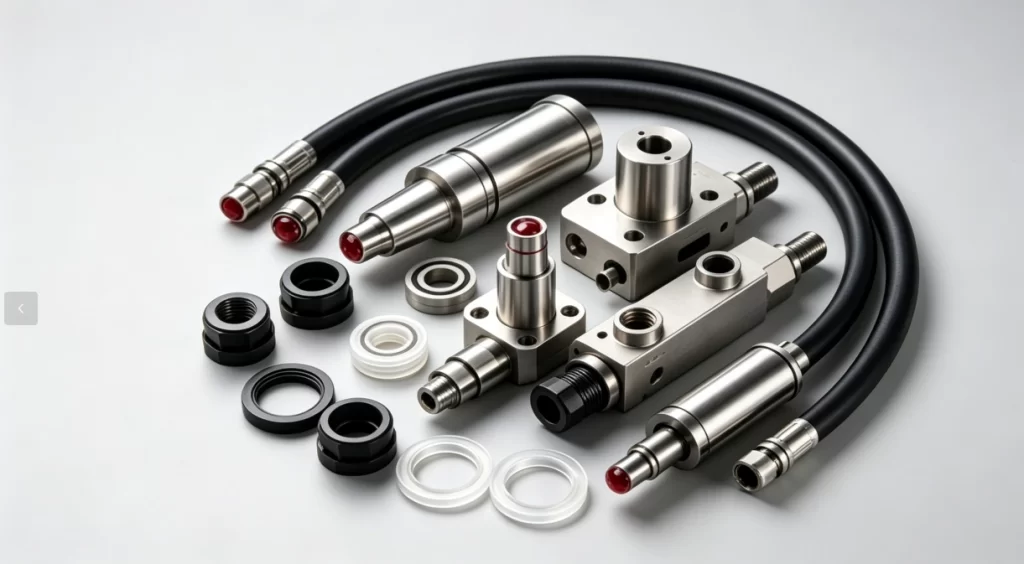
How to Inspect Waterjet Seals Before Replacement
Seal inspection should follow the maintenance procedures for the specific machine model.
Safety Warning: Waterjet equipment can retain hazardous hydraulic and ultra-high-pressure water pressure. Only qualified personnel should perform maintenance after following the manufacturer's isolation, shutdown, and depressurization procedures.
Check the Component Identification
Confirm the machine model, assembly location, original part number, and seal configuration before selecting a replacement.
Inspect the Sealing Contact Surfaces
Check applicable shafts, plungers, bores, and seal grooves for visible damage, contamination, or abnormal wear.
Examine Removed Seals
Inspect worn seals for cuts, hardening, deformation, extrusion, or unusual wear patterns that may indicate underlying operating problems.
Verify Replacement Specifications
Compare the replacement seal with the original component specifications, including dimensions, materials, and installation orientation.
Follow the Manufacturer's Installation Procedure
Use the specified tools, approved lubricants where required, and correct component orientation. Do not assume that all waterjet seal designs follow the same installation process.
Confirm Operation After Maintenance
Qualified personnel should follow the manufacturer's commissioning and leak-check procedures before returning the equipment to normal operation.
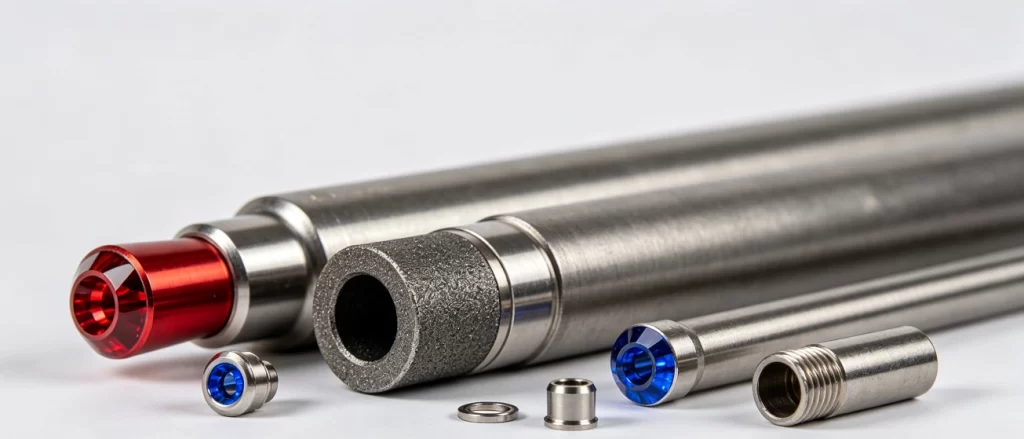
Waterjet Seal Troubleshooting Guide
| Observed Symptom | Possible Causes | Inspection Focus |
|---|---|---|
| Hydraulic oil leakage | Damaged hydraulic seal, O-ring, or mating surface | Oil-side seals and connections |
| High-pressure water leakage | Worn high-pressure seal or damaged sealing interface | Water-side seal assembly |
| Repeated seal damage | Surface defects, incorrect fit, or misalignment | Plunger, shaft, bore, and seal dimensions |
| Seal hardening or cracking | Temperature, aging, or material incompatibility | Seal material and operating conditions |
| Premature seal wear | Contamination, poor surface condition, or installation damage | Contact surfaces and assembly process |
| Abnormal pressure behavior | Sealing leakage or other pump-related faults | Seals, check valves, and intensifier components |
These symptoms are general troubleshooting indicators. They are not a substitute for machine-specific fault diagnosis.
How to Select Waterjet Replacement Seals
Choosing suitable sealing components requires accurate technical information.
Confirm the Waterjet Machine Model
Different waterjet machines and intensifier assemblies may use different seal configurations.
Identify the Sealing Location
Determine whether the required component belongs to the hydraulic oil circuit, high-pressure water circuit, cutting head, or another assembly.
Check Seal Dimensions and Materials
Review the original part number, dimensions, sealing geometry, specified material, and applicable operating conditions.
Review Maintenance Kit Requirements
Some repairs require a complete seal kit containing multiple sealing elements and backup rings. Other repairs may involve individual replacement components.
Follow the relevant equipment service documentation when determining which parts need replacement.
Provide Drawings or Reference Samples
When the original part number is unavailable, technical drawings, component photographs, dimensions, or reference samples may help identify suitable replacement options.
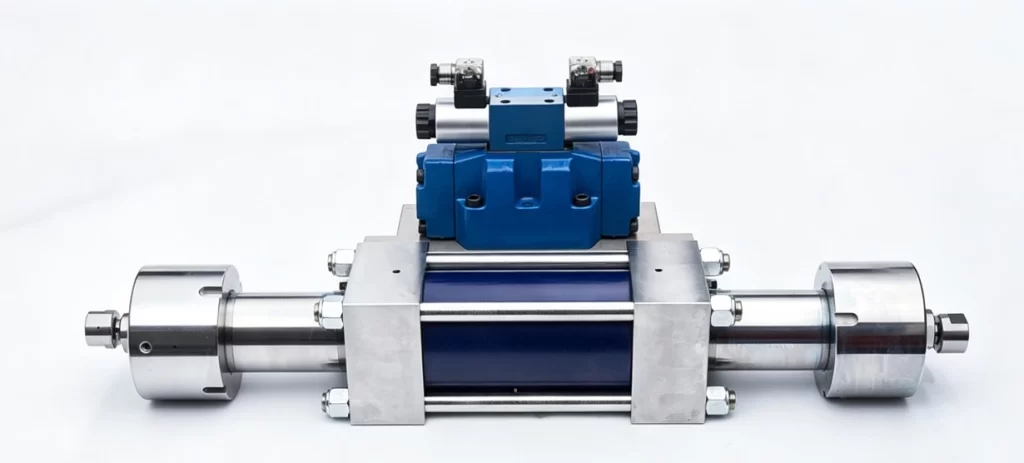
Waterjet Seal Maintenance and Replacement Parts from KAD
KAD manufactures and supplies replacement components for industrial waterjet cutting equipment, including high-pressure seals, hydraulic-related parts, intensifier components, and seal kits.
Our team supports industrial buyers, maintenance companies, equipment service providers, and distributors with component identification and specification review.
Customers can provide original part numbers, machine models, technical drawings, and required quantities when requesting suitable replacement parts.
Compatibility and customization requirements are reviewed according to the specific component and equipment configuration.
Frequently Asked Questions About Waterjet Seal Maintenance
1. What is the difference between a waterjet oil seal and a high-pressure water seal?
Oil seals are used in designated oil-containing assemblies, commonly around rotating shafts, while high-pressure waterjet seals are designed for specific high-pressure water sealing applications. Hydraulic piston and rod seals form another category. They have different operating and installation requirements.
2. What causes hydraulic oil leaks in a waterjet intensifier?
Possible causes include damaged hydraulic seals, worn O-rings, surface defects, incorrect assembly, or related hydraulic component problems. The exact source should be identified using the equipment manufacturer's troubleshooting procedures.
3. How often should waterjet seals be replaced?
There is no universal replacement interval. Seal life depends on equipment design, operating pressure, fluid condition, maintenance practices, component condition, and the manufacturer's service recommendations.
4. Can a damaged waterjet seal be reused?
Seals showing damage, abnormal deformation, or wear should be evaluated according to the manufacturer’s service instructions. Components designated for single use should not be reused.
5. Can I use the same seal for hydraulic oil and high-pressure water?
Not automatically. Seals must be selected for their intended fluid, pressure, temperature, movement, and installation geometry. Components that appear similar may have different technical requirements.
6. What information should I provide when ordering replacement seals from KAD?
Please provide the waterjet machine model, original part number, seal dimensions, assembly location, technical drawings or photographs, and required quantity. These details help KAD review suitable replacement options.
