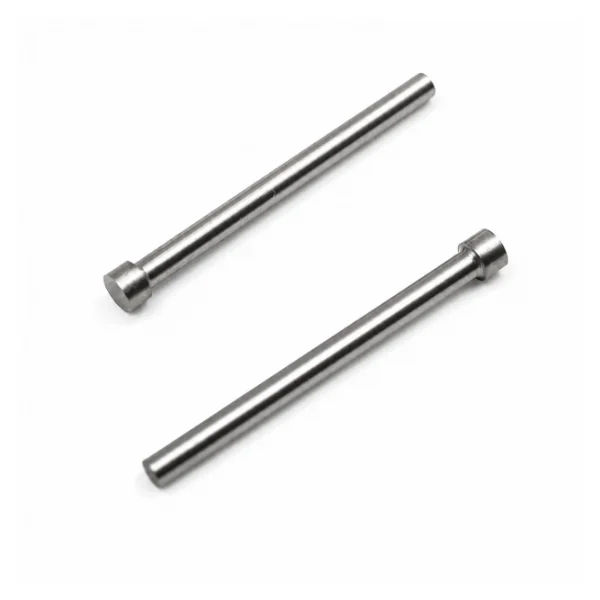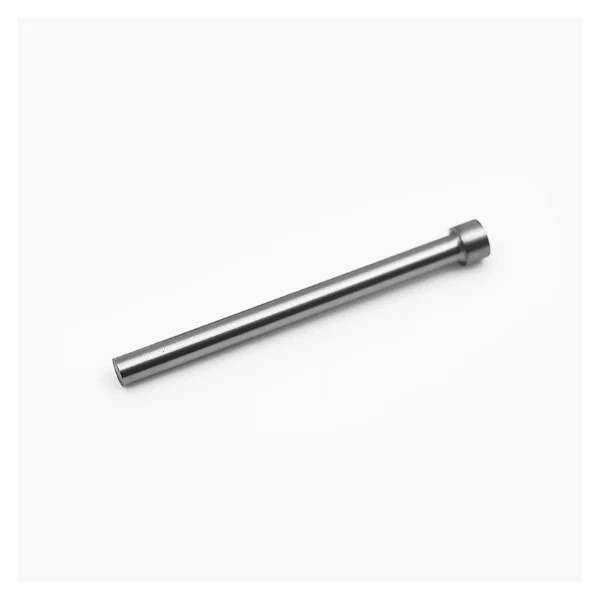



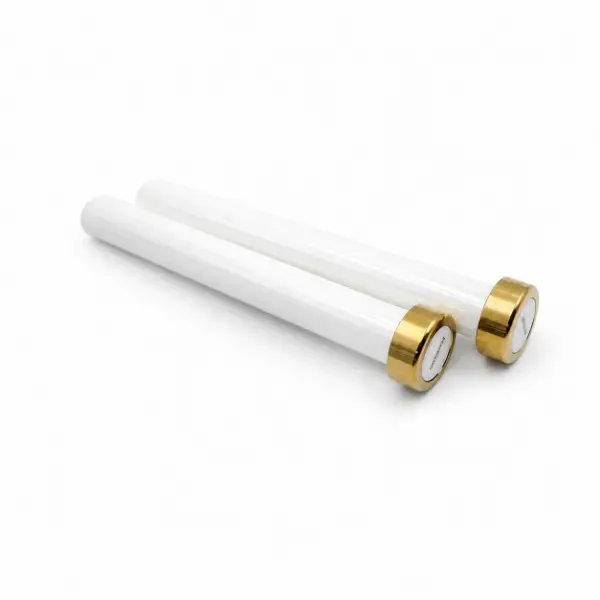
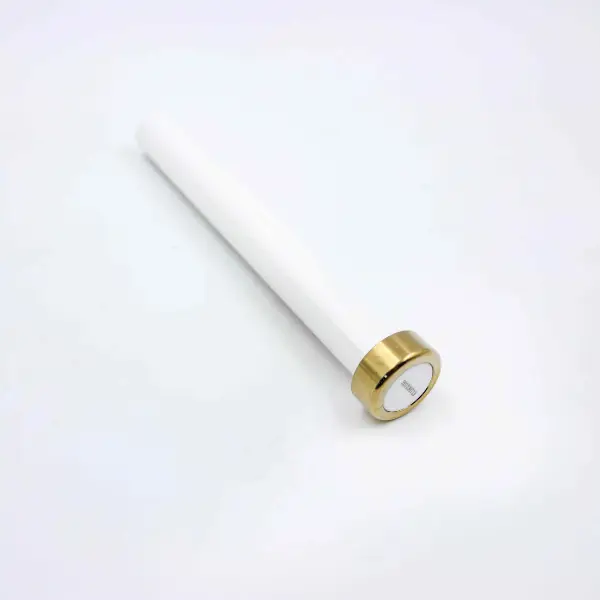
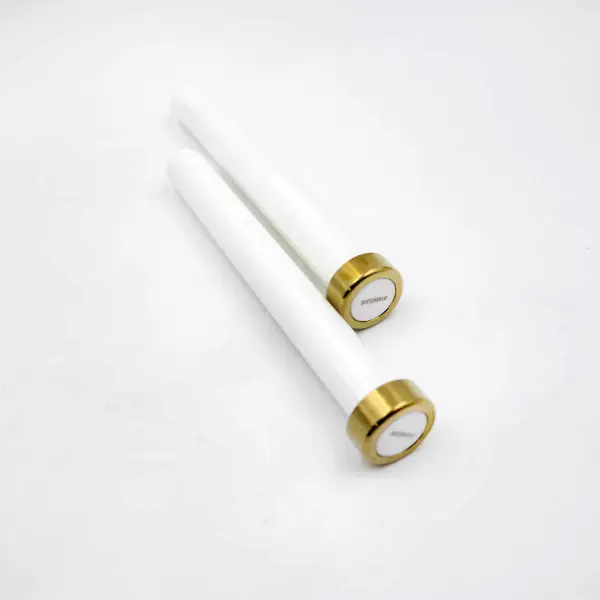
High Pressure Ceramic Plunger for Intensifier Pump Repair
Waterjet intensifier pumps use high pressure ceramic plungers and require repeated reciprocating action, necessitating a very harsh environment for the plunger surface and surroundings' seals. A smooth contact area will be created by precision ground ceramic shaft, and dimensional stability is necessary for correct installation.
KAD can provide ceramic plungers for maintenance or replacement of all kinds of industrial water Jet pumps. In choosing a replacement, customers need to take into account surface condition, shaft dimensions and end-fitting design and original pump specifications and not just look at the outside of the pumps.
- Precision-Ground Ceramic Surface
- High-Pressure Seal Contact
- Reciprocating Pump Operation
- Wear Inspection and Replacement
Share:


- Description
- Specification
- Application
- FAQS
The Role of the Ceramic Plunger in High-Pressure Sealing
Within a waterjet intensifier pump, the ceramic plunger moves repeatedly through the sealing region as part of the water pressurization process. The surface of the plunger interacts with high-pressure sealing components, making surface condition an important consideration during maintenance.
A properly finished ceramic contact surface helps maintain the intended interface with the seals. Its suitability depends on the ceramic material, shaft geometry, surface finish and the operating requirements of the particular pump.
Although ceramics offer useful hardness and wear-resistant characteristics, they can be vulnerable to chipping or cracking under unsuitable handling or operating conditions. Regular inspection is therefore important, particularly when maintaining pumps that experience frequent operating cycles.
Understanding Surface Wear and Seal Contact
Ceramic plunger condition should be considered together with the surrounding sealing components.
Surface scratches, edge chips or cracks may interfere with the intended sealing interface. Damage can occur through incorrect installation, contamination, abnormal contact or other mechanical conditions.
Leakage does not always mean that the ceramic plunger needs replacement. Worn seals, incorrect installation, misalignment and other pump problems may produce similar symptoms.
Maintenance decisions should be based on inspection of the complete affected area rather than replacement of the ceramic component alone.
Engineering Focus: Ceramic Plunger Inspection
1. Shaft Surface Condition
Examine the ceramic surface under suitable lighting for scratches, chips, cracks or other visible defects. Pay particular attention to the section that passes through the sealing elements.
2. Contact Area and Edge Condition
Check the working surface and adjacent edges for damage that could interfere with normal movement or seal contact. Damaged edges may require further evaluation before reinstallation.
3. Dimensional Verification
Check the outside diameter, overall length and relevant end dimensions against the original part specification. Even small dimensional differences may affect replacement suitability.
4. Connection End Inspection
The illustrated product includes a metal end fitting. Its condition and connection geometry should be checked for visible damage and conformity with the original configuration.
5. Related Component Condition
When a plunger is removed for servicing, the surrounding seals and mating components should also be inspected. Finding the underlying cause of wear helps avoid unnecessary repeat replacement.
Why Choose KAD for High Pressure Ceramic Plungers?
| Item | Specification |
|---|---|
| Product Type | High Pressure Ceramic Plunger |
| System Type | Waterjet Intensifier Pump |
| Material | Engineering ceramic |
| Function | Pressure conversion interface component |
| Working Condition | Continuous ultra-high pressure cycle |
| Surface Finish | Precision ground surface |
| Wear Resistance | High abrasion resistance |
| Application | Industrial waterjet cutting systems |
Waterjet Intensifier Maintenance
Used as a replacement component during the inspection and servicing of compatible waterjet intensifier pumps.
High-Pressure Seal Servicing
Evaluated alongside dynamic seals when technicians investigate contact-surface damage, leakage or abnormal wear.
Preventive Maintenance Programs
Suitable for inclusion in planned maintenance procedures where component condition and replacement requirements are assessed against equipment recommendations.
Industrial Pump Overhaul
Relevant to waterjet pump rebuilding projects that require inspection or replacement of the reciprocating ceramic plunger.
Waterjet Spare Parts Procurement
Supplied for industrial maintenance teams and parts distributors who need to identify suitable replacement components using existing specifications.
1. Why is the surface finish of a high pressure ceramic plunger important?
The ceramic shaft operates in contact with dynamic sealing components. Surface irregularities may affect that contact and contribute to premature seal wear. The required finish should be checked against the pump manufacturer's specifications.
2. What areas should be inspected when a ceramic plunger is removed?
Inspect the working surface, edges, visible connection areas and any sections that contact the sealing components. Look for cracking, chipping, scratches or abnormal wear.
3. Does high-pressure water leakage always indicate plunger damage?
No. Leakage can also result from worn seals, incorrect installation, damaged mating components or other pump problems. The plunger and surrounding parts should be examined together to identify the cause.
4. Can a ceramic plunger be reused after replacing the seals?
Reuse depends on the condition of the plunger and the equipment manufacturer's service criteria. A plunger with cracking, chipping, out-of-specification dimensions or unacceptable surface damage should not be reinstalled without proper evaluation.
5. Can the ceramic material grade be identified by its white color?
No. Different engineering ceramics may have similar appearances. Material grade, mechanical properties and suitability for the intended pump must be verified through technical documentation rather than color alone.
6. What measurements are needed to select a replacement ceramic plunger?
The original part number is the preferred starting point. Where it is unavailable, provide the shaft outside diameter, overall length, end-fitting dimensions and pump model, supported by photographs or a technical drawing.