


HyPlex Ceramic Plunger Assembly for Direct-Drive Pump Servicing
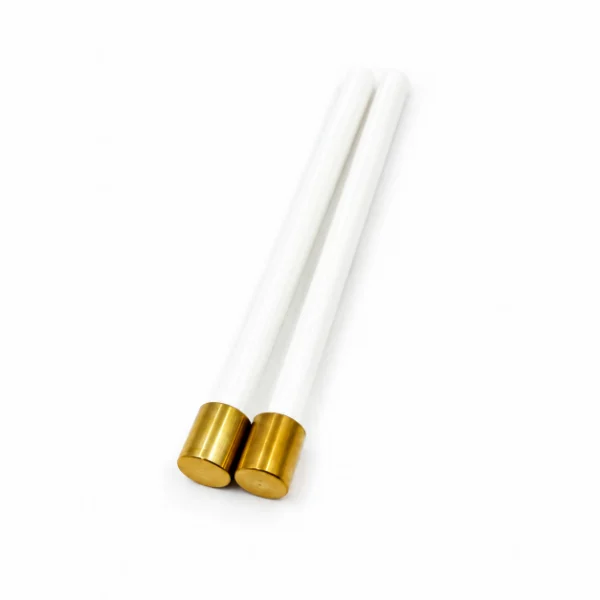
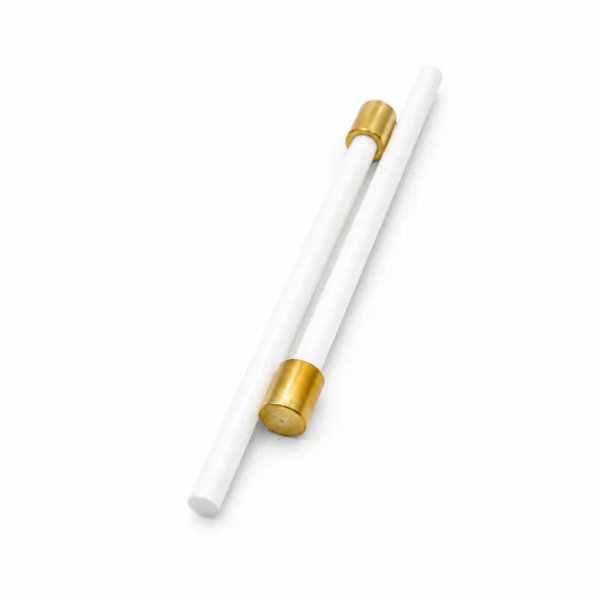
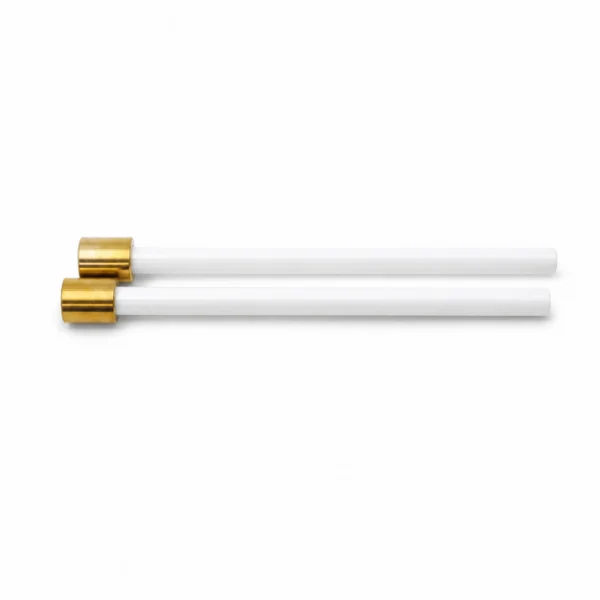
The HyPlex Ceramic Plunger Assembly is a replacement component for compatible direct-drive waterjet pumps. The product photographs show white cylindrical ceramic shafts with gold-colored metal end fittings, along with a separate ceramic rod for comparison. During operation, the plunger reciprocates through the corresponding high-pressure sealing arrangement. KAD supplies ceramic plunger-related replacements for industrial pump maintenance and spare parts procurement. Buyers should confirm the pump model, original part reference, ceramic shaft diameter, overall length, and end-fitting configuration before ordering.
- HyPlex Direct-Drive Pump Fit
- Ceramic Reciprocating Shaft
- Metal End-Fitting Design
- Dynamic Seal Compatibility
Share:


- Description
- Specification
- Application
- FAQS
HyPlex Ceramic Plunger Assembly for Waterjet Pump Replacement
The HyPlex Ceramic Plunger Assembly is a reciprocating component associated with the high-pressure pumping section of compatible HyPlex direct-drive waterjet systems.
Unlike a hydraulic intensifier pump, a direct-drive pump uses a mechanical drive arrangement to move its plungers. Their reciprocating motion alternately draws water into the pumping chamber and pressurizes it during the discharge stroke.
The ceramic plunger provides the cylindrical working surface that moves against the corresponding dynamic sealing arrangement.
The KAD product images show long white ceramic shafts with gold-colored metal end fittings. One photograph also shows an individual ceramic rod alongside a fitted component.
Before purchasing, buyers should identify the required pump series, original part number, shaft dimensions, and end connection arrangement.
Key Features of the HyPlex Ceramic Plunger Assembly
01. Ceramic Reciprocating Shaft
The component features a cylindrical ceramic working section intended to move through the corresponding high-pressure sealing arrangement in a compatible pump.
02. Metal End-Fitting Configuration
The illustrated assemblies have metal fittings at one end. Their geometry, material, and attachment requirements must match the original plunger design.
03. Dynamic Seal Contact Surface
The ceramic shaft provides a contact surface for the pump's specified dynamic seal. Surface condition and dimensional compatibility are important during replacement selection.
04. HyPlex Model-Based Replacement
The correct component should be identified using the HyPlex pump model, original spare part reference, and dimensional specifications.
How Ceramic Plungers Work in HyPlex Direct-Drive Pumps
A direct-drive waterjet pump uses a mechanical drive system to produce reciprocating plunger motion.
As the drive mechanism moves a plunger backward, the associated pumping chamber receives water through its inlet arrangement.
During the forward stroke, the plunger reduces the chamber volume and pressurizes the water.
The inlet and outlet check valves operate according to the pressure conditions established during this cycle.
The ceramic shaft travels through a dynamic sealing arrangement that limits water leakage along the moving surface.
Correct plunger and seal compatibility is therefore essential to the original pump design.
This differs from a hydraulic intensifier, where a separate hydraulic piston transmits force to the high-pressure plungers.
Ceramic Shaft and Metal End-Fitting Design
The photographs show two distinct visible material regions: a long white ceramic shaft and a shorter gold-colored metal end component.
Ceramic Shaft
The shaft provides the main cylindrical working surface. Its diameter, straightness, surface condition, and usable length should conform to the original replacement specification.
Metal End Fitting
The metal component forms part of the plunger's end connection arrangement. Its external diameter, length, internal geometry, and attachment method must match the corresponding design.
Connection Transition
The junction between the ceramic shaft and the metal end fitting should be checked for visible damage, displacement, or other irregularities according to the manufacturer's inspection requirements.
Individual Shaft vs. Fitted Component
The product photographs include both an isolated ceramic shaft and assemblies with end fittings. This does not establish whether the bare shaft is offered separately.
Customers should confirm the exact orderable product and components included in the quotation.
Dynamic Seal Contact and Plunger Surface Condition
The ceramic plunger and the corresponding dynamic seal operate as mating components in the high-pressure pumping arrangement.
The quality and condition of the shaft surface are important to the operation of this interface.
Surface Scratches
Scratches, scoring, or abrasive particles on the working surface may contribute to seal damage.
Ceramic Edge Damage
Chips or cracks near exposed ceramic edges require evaluation according to the manufacturer's replacement criteria.
Plunger Diameter
An incorrect shaft diameter can affect the relationship between the ceramic working surface and the specified dynamic seal.
Seal Compatibility
Different HyPlex pump configurations may require different seal arrangements. Buyers should verify the correct seal reference rather than assuming universal compatibility.
Surface Cleanliness
The shaft and adjoining parts should be handled and inspected according to the equipment manufacturer's maintenance instructions.
Replacement of a damaged plunger may also require inspection of the associated dynamic seal and adjacent pumping components.
Why Choose KAD?
| Item | Specification |
|---|---|
| Product Type | Hyplex Ceramic Plunger |
| System Type | Waterjet Intensifier Pump |
| Material | Engineering ceramic |
| Function | High-pressure energy conversion component |
| Working Condition | Continuous ultra-high pressure cycling |
| Surface Finish | Precision ground surface |
| Wear Resistance | High abrasion resistance |
| Application | Waterjet cutting machine systems |
1. HyPlex Direct-Drive Pump Maintenance
Used as a replacement candidate during scheduled servicing of compatible HyPlex high-pressure water pumps.
2. Ceramic Plunger Surface Replacement
Relevant when inspection identifies a damaged or otherwise unsuitable ceramic working surface.
3. Dynamic Seal Maintenance
Associated with service work involving the plunger and its corresponding dynamic high-pressure sealing components.
4. Plunger End-Fitting Replacement Evaluation
Suitable for sourcing inquiries where the original assembly's connection geometry and fitted end component must be matched.
5. HyPlex Pump Refurbishment
Can be considered during pump rebuilds involving inspection and replacement of reciprocating high-pressure components.
6. Industrial Waterjet Parts Procurement
A replacement product category for maintenance contractors and spare parts distributors purchasing by pump model, component dimensions, and original part references.
1. What is a HyPlex Ceramic Plunger Assembly used for?
It is a reciprocating component used in compatible HyPlex direct-drive waterjet pumps. The ceramic shaft moves through the specified dynamic sealing arrangement as the pump performs its suction and pressurization strokes. The exact component configuration depends on the pump model.
2. Is a HyPlex pump the same as a hydraulic intensifier pump?
No. HyPlex Prime is a direct-drive pump, which uses a mechanical drive system to move its plungers. A hydraulic intensifier uses a separate hydraulic piston to transmit force to its high-pressure plungers. Their pump mechanisms and replacement requirements differ.
3. Does this assembly replace Flow part number 011045-1?
Flow identifies 011045-1 as a HyplexPrime Ceramic Plunger Assembly. However, the KAD product shown on this page has not been independently verified against that exact part number. Please confirm pump compatibility, dimensions, and connection details before ordering.
4. Can I purchase the ceramic shaft without the metal end fitting?
The photographs show a separate ceramic rod as well as components with fitted ends. The actual availability of bare shafts and complete assemblies must be confirmed with KAD before ordering. Buyers should clearly specify the required supply configuration.
5. When should a ceramic plunger be replaced?
Replacement may be necessary when inspection identifies cracks, chipped edges, significant surface damage, or defects outside the original manufacturer's allowable limits. The corresponding dynamic seal and related pump components should also be checked.
6. What information is needed for a bulk quotation?
Please provide the required quantity, original part number, HyPlex pump model, ceramic shaft diameter and length, end-fitting dimensions, and desired supply configuration. Photographs or technical drawings can help confirm the replacement requirements.