


Intensifier High Pressure Cylinder for Waterjet Pump Maintenance
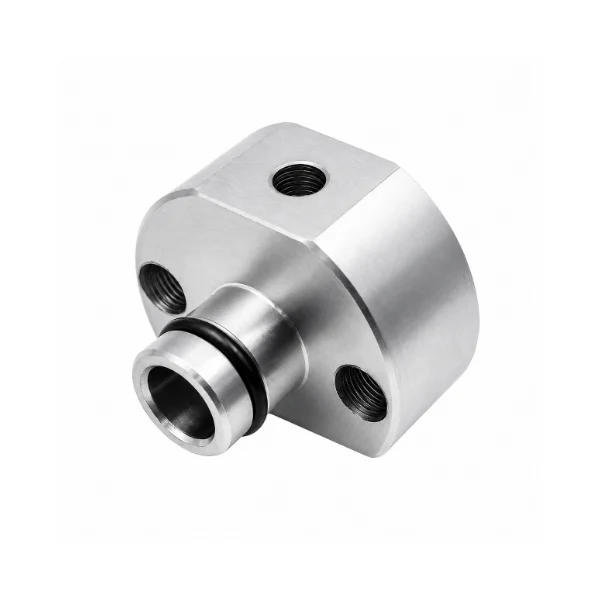
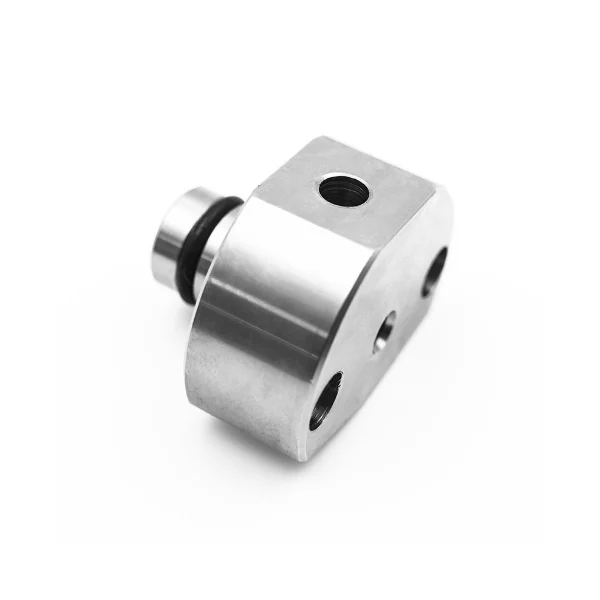
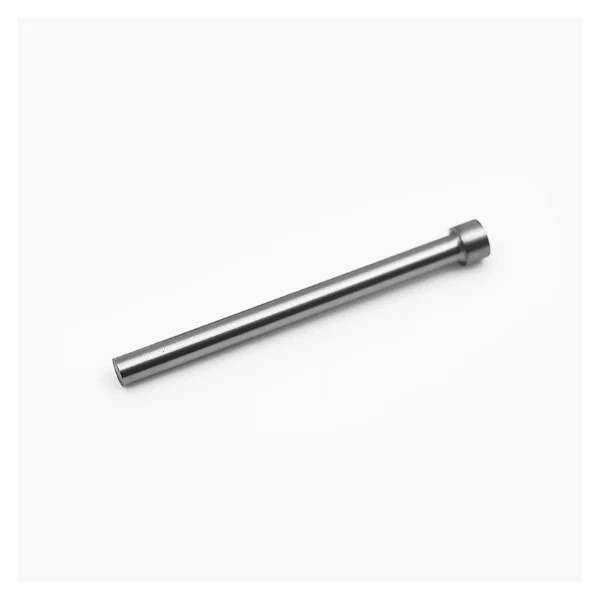
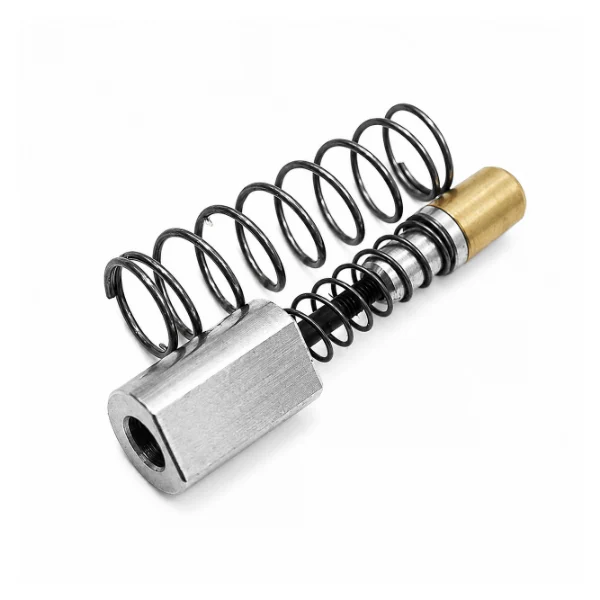
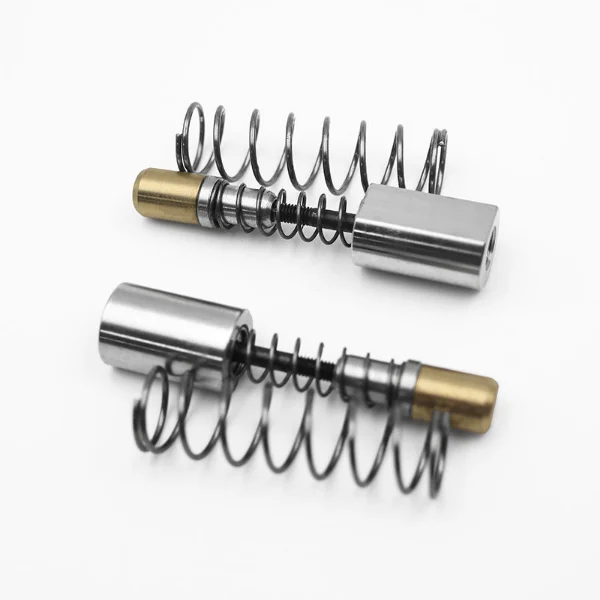
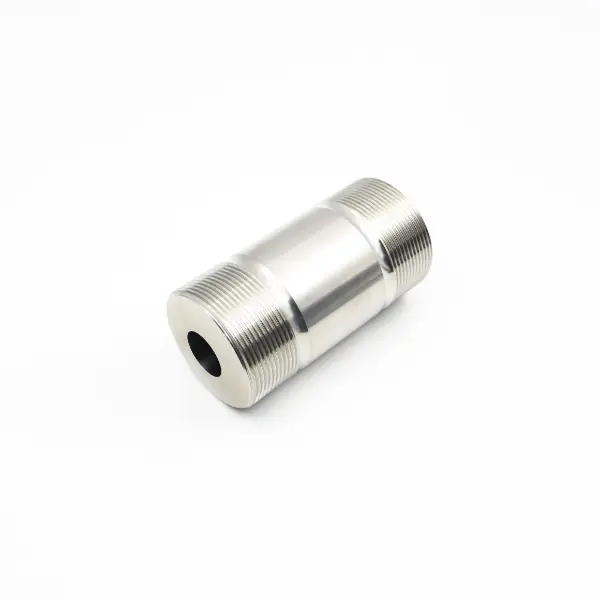
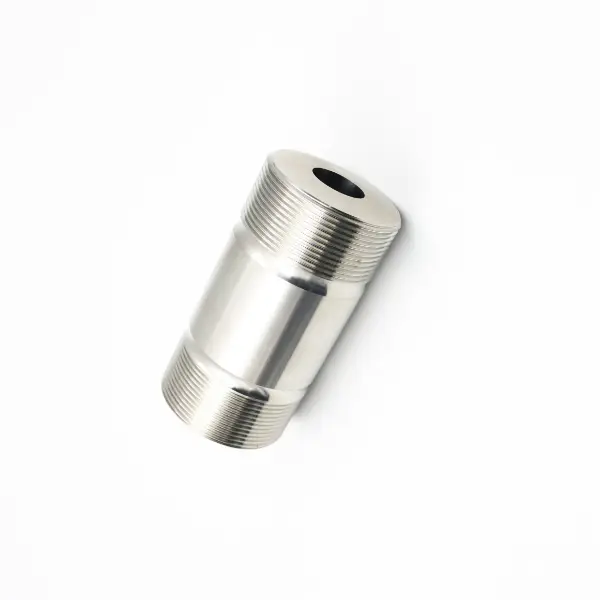
The Intensifier High Pressure Cylinder is a pressure-containing component used in compatible waterjet intensifier pumps. The illustrated part features a cylindrical metal body, external threads at both ends, and a central bore. It works with the pump's plunger, sealing components, and related connections to contain high-pressure water during the pumping cycle. For replacement sourcing, confirm the original part number, pump model, thread specification, bore dimensions, material, and rated pressure before ordering.
- Threaded Ends for Assembly Fit
- Cylindrical Body with Central Bore
- Pump-Model-Based Replacement
- Dimensional and Pressure Rating Verification
Share:


- Description
- Specification
- Application
- FAQS
What Is an Intensifier High Pressure Cylinder?
An Intensifier High Pressure Cylinder is a structural component in a waterjet intensifier pump's high-pressure water section. It provides the pressure-containing cylinder body used with the corresponding plunger and sealing arrangement.
During the pumping cycle, the reciprocating plunger changes the volume of the pumping chamber to pressurize the water. The cylinder and its mating components must be compatible with the intended pump design and rated operating conditions.
The KAD product shown on this page has a cylindrical metal body, external threads at both ends, and a central bore. These visible features are important starting points for replacement identification, but they do not establish the exact pump model or original part number.
For B2B purchasing, the replacement should be selected according to the original equipment reference, dimensions, thread configuration, material specification, and pressure rating.
Threaded Ends and Central Bore
The cylinder's external connections and internal geometry determine how it interfaces with the corresponding pump components.
Threaded End Connections
Both ends of the illustrated component feature external threads. Thread diameter, pitch, thread form, engagement length, and mating-part requirements should be checked against the approved drawing or original part specification.
Central Bore
The visible central opening is a key structural feature. Its diameter, internal geometry, and surface requirements must match the intended cylinder design.
Cylindrical Body
The main cylindrical section forms the body of the component. Overall length, outside diameter, shoulder locations, and transition geometry can affect fit within the associated pump assembly.
Mating Interfaces
The cylinder must work with the correct plunger, sealing components, end fittings, and other parts specified for the pump model. A similar external appearance does not guarantee interchangeability.
When replacing an existing component, buyers should compare the original part number and dimensional drawing rather than relying on photographs alone.
High Pressure Cylinder, Plunger, and Seal Compatibility
The high-pressure cylinder, plunger, and sealing components perform different functions within the pump.
The cylinder provides the pressure-containing structure. The plunger reciprocates within the pumping arrangement to pressurize the water. The corresponding high-pressure seals help control leakage at the specified sealing interfaces.
These components must be selected as compatible parts of the same pump configuration.
A damaged cylinder may require inspection of the mating plunger, sealing surfaces, threads, and associated components during maintenance. However, leakage or pressure loss alone does not prove that the cylinder itself has failed.
The actual replacement scope should be determined from the equipment manufacturer's maintenance instructions and the condition of the removed components.
Pressure Rating and Material Verification
Waterjet intensifier cylinders are available for different pump designs and pressure classes. The required rating must therefore be confirmed for the specific replacement part.
KAD's current page lists a working pressure of up to 60,000 PSI / 420 MPa and describes the material as high-strength alloy steel. These details should be retained as confirmed product specifications only after they have been checked against the actual model, drawing, and material documentation.
For accurate technical information, confirm:
- Rated working pressure for the specific cylinder
- Compatible pump manufacturer and model
- Material grade and applicable treatment requirements
- Internal bore and surface specifications
- Thread dimensions and connection standard
- Required inspection or pressure-test documentation
Do not infer the cylinder's pressure rating from its appearance or from a different manufacturer's similar component.
How to Identify the Correct Replacement Cylinder
Step 1: Record the Original Part Number
Check the pump parts list, equipment documentation, or marking on the removed component.
Step 2: Confirm the Pump Model
Identify the pump manufacturer, intensifier model, and applicable pressure class.
Step 3: Measure the Main Dimensions
Record the overall length, outside diameter, bore diameter, and shoulder positions according to the approved drawing.
Step 4: Verify Both Threaded Ends
Confirm the thread diameter, pitch, form, engagement length, and mating connection.
Step 5: Confirm Material and Pressure Rating
Use the original specification or approved technical documentation to verify the required material and pressure class.
Step 6: Define the Supply Scope
Confirm whether the order covers the cylinder alone or includes additional seals, plungers, end fittings, or other components.
KAD can review the available part references, photographs, drawings, and dimensional information to help clarify the replacement requirements before quotation.
Why Choose KAD?
| Item | Specification |
|---|---|
| Product Type | HP Cylinder for Waterjet Intensifier |
| System Type | 5 Axis Waterjet Cutting System |
| Function | High-pressure containment chamber |
| Working Pressure | Up to 60,000 PSI / 420MPa |
| Operation Mode | Multi-axis continuous cutting |
| Material | High-strength alloy steel |
| Manufacturing Process | CNC machining + precision honing |
| Performance Feature | Stable pressure under dynamic load |
1. Waterjet Intensifier Pump Maintenance
For maintenance work involving the high-pressure cylinder in a compatible waterjet intensifier pump.
2. High Pressure Cylinder Replacement
For replacement inquiries where the original cylinder requires inspection or replacement due to damage or dimensional wear identified under the manufacturer's maintenance procedure.
3. Intensifier Pump Rebuilds
For service projects involving the inspection of the cylinder, plunger, seals, threaded interfaces, and related mating components.
4. Industrial Waterjet Spare Parts Procurement
For maintenance contractors and industrial spare parts distributors sourcing cylinders by pump model, original part number, and technical specifications.
5. OEM and Drawing-Based Sourcing
For equipment manufacturers or service providers requiring a cylinder matched to an approved drawing, material specification, and pressure rating.
1. What does an intensifier high pressure cylinder do?
An intensifier high pressure cylinder provides the pressure-containing structure used with the plunger and associated sealing components in a compatible waterjet intensifier pump. The exact internal arrangement depends on the pump design.
2. Is a high pressure cylinder the same as a hydraulic cylinder?
No. A high-pressure water cylinder belongs to the pump's high-pressure water section, while a hydraulic cylinder belongs to the hydraulic drive system. They serve different functions and should not be treated as interchangeable components.
3. Can this cylinder fit every 60K waterjet intensifier?
No. A shared pressure class does not guarantee dimensional compatibility. The original part number, pump model, thread dimensions, bore geometry, and mating components must be verified.
4. What dimensions should I provide when requesting a replacement?
Provide the overall length, outside diameter, internal bore diameter, both thread specifications, shoulder locations, original part number, and compatible pump model. An approved drawing is preferable when available.
5. Does the high pressure cylinder include the plunger and seals?
Not necessarily. The product page should clearly state whether the quotation covers the cylinder alone or includes a plunger, high-pressure seals, end fittings, or other service components. Confirm the supply scope before placing an order.
6. What working pressure is this cylinder rated for?
The rated working pressure depends on the specific cylinder design and compatible pump model. Confirm the original part reference and applicable technical documentation before using a pressure value in equipment selection or purchasing decisions.