


Intensifier Oil Seal Spacer for Waterjet Pump End Bells
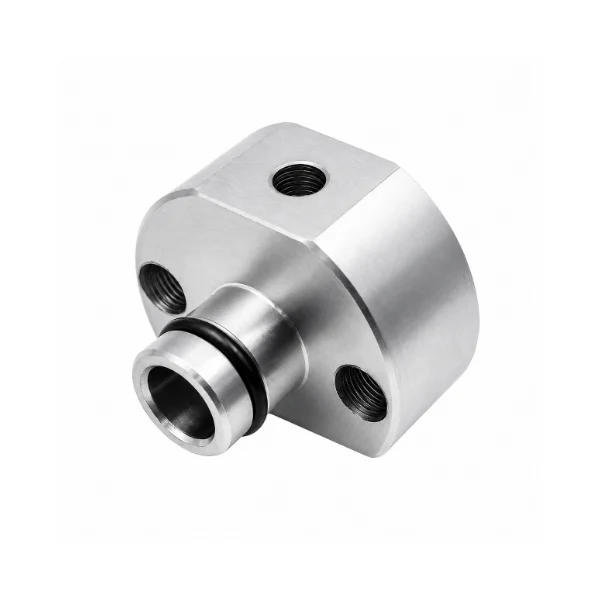
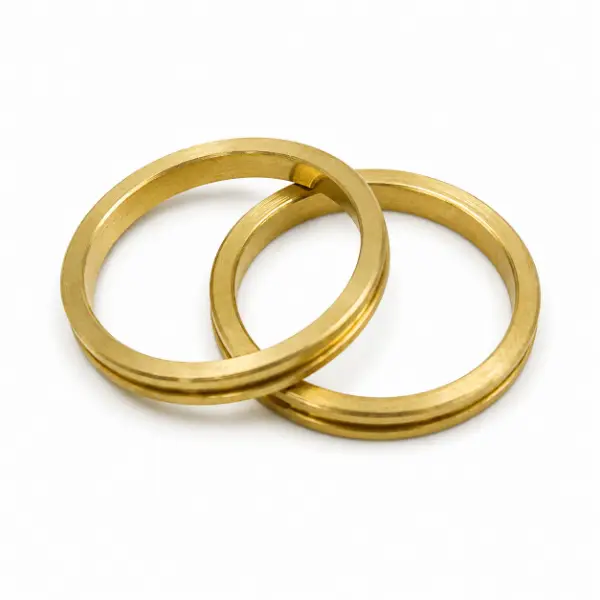
Intensifier Oil Seal Spacer is a ring-shaped metal devices that are compatible with the waterjet intensifier pump assemblies. It's designed to provide included spacing and positioning support to assist related oil sealing parts. The illustrated parts have circular holes, a machined outer edge profile and a step. KAD provides new industrial waterjet pump spacer for pump maintenance, hydraulic end maintenance and hose parts buying. The original part number, ring dimensions, material requirements and pump model should be confirmed by the buyer before opting for a replacement.
- Machined Metal Ring Structure
- Oil Seal Positioning Support
- Precise Spacer Dimensions
- Intensifier End Bell Maintenance
Share:


- Description
- Specification
- Application
- FAQS
Intensifier Oil Seal Spacer for Hydraulic End Maintenance
An intensifier oil seal spacer is a mechanical positioning component used in the sealing arrangement of compatible waterjet intensifier pumps.
The spacer helps maintain the required axial spacing and location of associated components within the original pump design. It is not a flexible oil seal and should not be confused with a complete high-pressure sealing assembly.
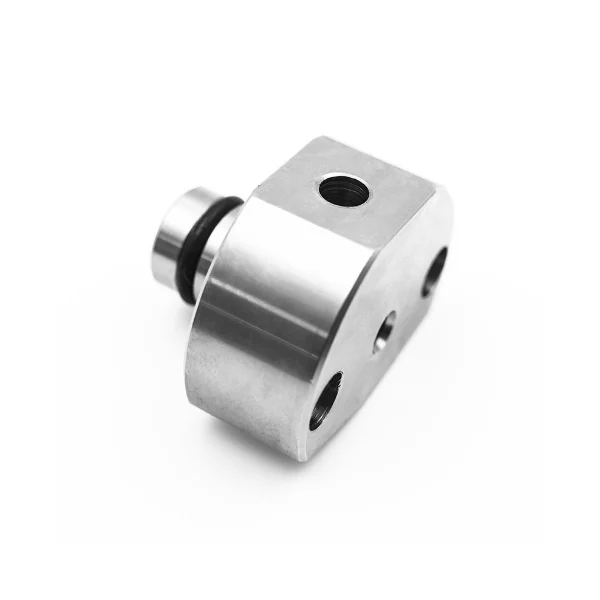
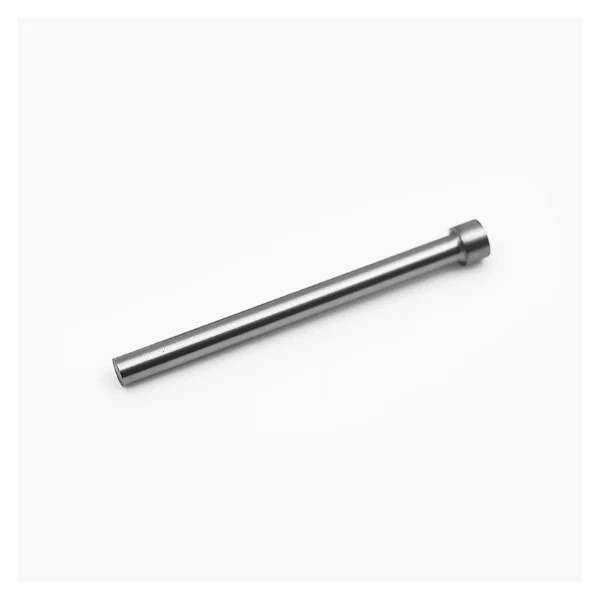
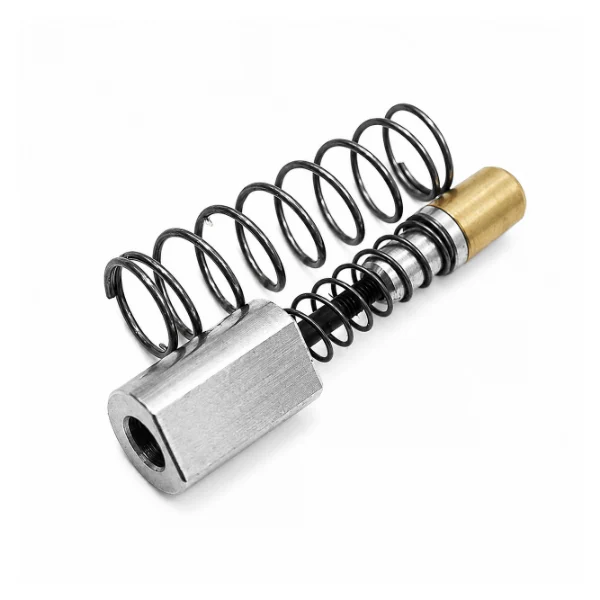
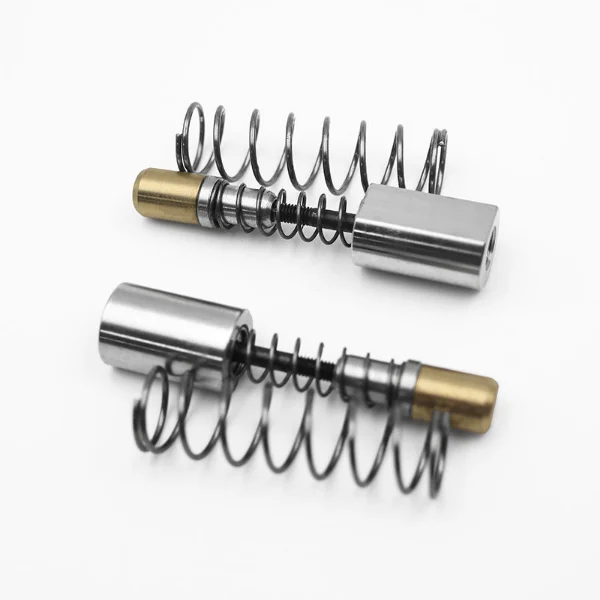
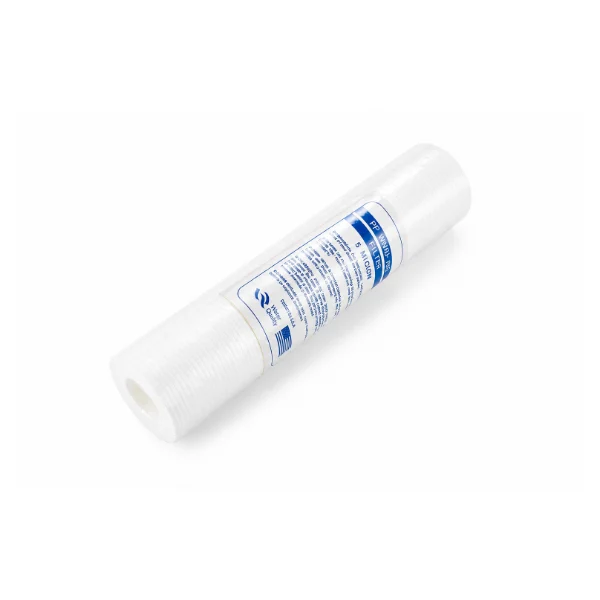
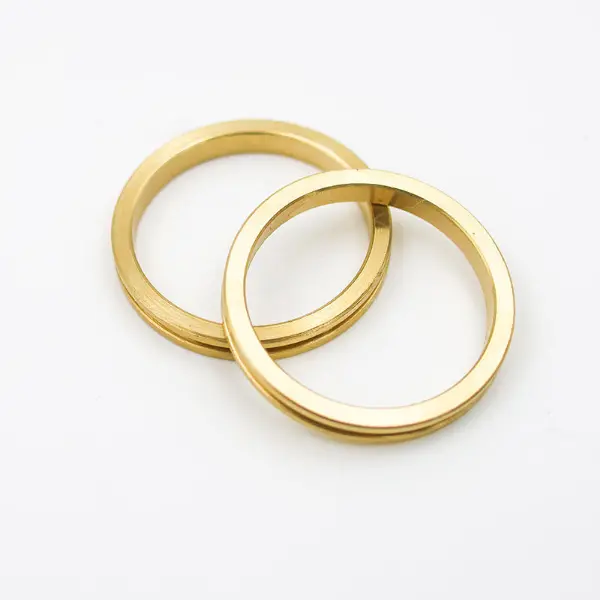
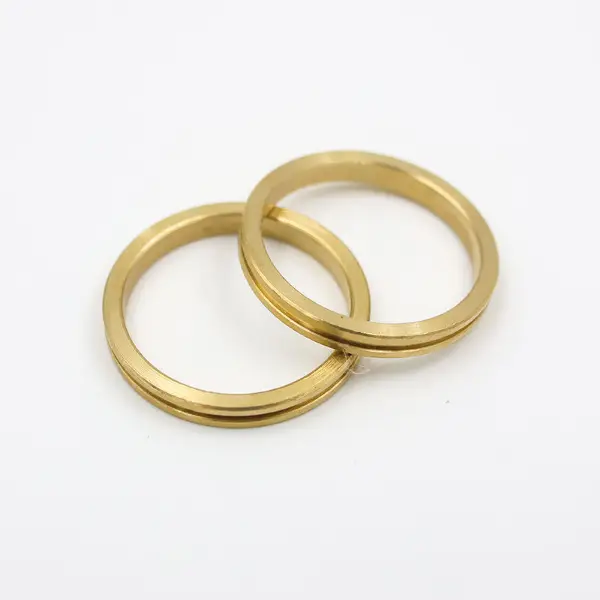
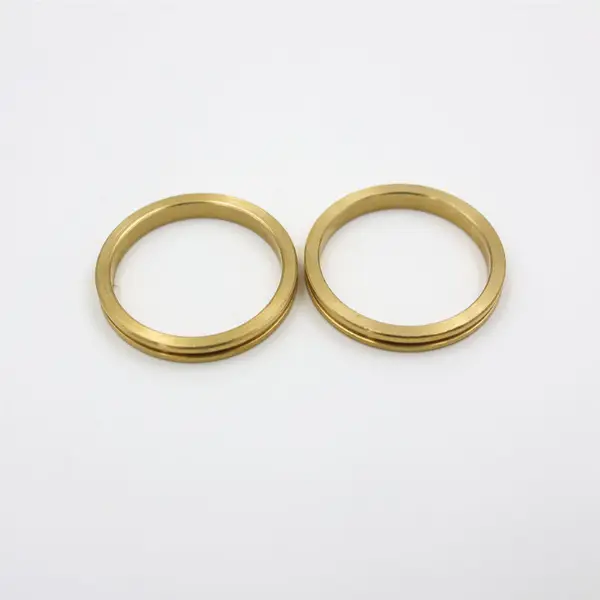
The KAD product photographs show ring-shaped metal components with circular central openings and machined edge profiles.
When identifying a suitable replacement, buyers should compare the original spacer's inside diameter, outside diameter, thickness, and locating features.
KAD provides replacement waterjet components for pump maintenance, repair contractors, and industrial spare parts distributors.
Key Features of the Intensifier Oil Seal Spacer
01. Machined Metal Ring Structure
The illustrated spacer has a metal ring-shaped body with an open center and defined edge geometry. The material grade and dimensions should match the original part.
02. Oil Seal Positioning Support
In compatible intensifier designs, the spacer helps maintain the specified position of associated oil sealing components within the assembly.
03. Installation-Specific Dimensions
Inside diameter, outside diameter, thickness, and any stepped surfaces are important for selecting the correct replacement.
04. Individual Replacement Part
The spacer is a separate mechanical component that can be identified and evaluated during maintenance of the intensifier hydraulic end.
Oil Seal Spacer Structure and Installation Features
The illustrated product has a relatively simple external appearance, but several dimensional features may be important for assembly.
Circular Inner Opening
The inner opening provides the required clearance or fit for the corresponding assembly arrangement. Its diameter must agree with the original specification.
Outer Ring Diameter
The outside diameter determines how the spacer fits within its designated housing or component interface.
Axial Thickness
The spacer thickness contributes to the installed position of the related components. An incorrect thickness may alter the intended assembly stack.
Machined Edge Profile
The photographs show defined edge surfaces and a stepped profile. These features should be compared with the original part because visually similar rings may have different installation requirements.
Contact Faces
The relevant contact faces should be checked for flatness, surface condition, and conformity to the approved drawing.
The precise installation position and mating components depend on the intensifier pump model.
How an Oil Seal Spacer Supports the Intensifier Assembly
An intensifier pump contains a hydraulic drive arrangement and a high-pressure water section.
The hydraulic components move the plunger assembly according to the pump design. Sealing and supporting parts are installed at specified locations to maintain the required separation and mechanical arrangement of adjoining components.
Within compatible hydraulic end or end-bell designs, an oil seal spacer provides the spacing needed for the associated oil sealing arrangement.
The spacer helps establish the intended mechanical position of the corresponding parts. The actual fluid sealing function is provided by the appropriate seals and their mating interfaces.
This distinction is important when identifying replacement components during pump servicing.
A damaged spacer or an incorrect replacement dimension may affect the positioning of adjoining components, but it should not automatically be identified as the cause of a hydraulic oil leak without further inspection.
Intensifier Oil Seal Spacer vs. High-Pressure Seal
An oil seal spacer and a high-pressure seal are different types of components.
Oil Seal Spacer
A mechanical positioning or support component used within a compatible seal-related assembly. The illustrated KAD product has a ring-shaped metal structure.
Oil Seal
A sealing element used at a specified hydraulic oil interface. Its design and material depend on the original sealing arrangement.
High-Pressure Seal
A component designed to provide sealing at a specified high-pressure interface within the pump's water-pressure system.
High-Pressure Seal Assembly
A group of sealing-related parts supplied as an assembly or kit according to the equipment design.
These parts should not be considered interchangeable. Buyers should identify the exact component required before placing an order.
Oil Seal Spacer Dimensions and End Bell Compatibility
Replacement compatibility depends on the original pump configuration and spacer dimensions.
When evaluating a replacement part, confirm the following:
- Original equipment manufacturer and intensifier model
- Original spacer part number
- Inside diameter
- Outside diameter
- Overall axial thickness
- Step or shoulder dimensions, if present
- Material grade
- Relevant contact face geometry
- Installation position within the assembly
- Required quantity
A matching appearance or similar color does not guarantee the correct replacement.
If an original part number is unavailable, the existing spacer and its approved technical drawing can provide useful identification information.
Oil Seal Spacer Inspection and Replacement
An oil seal spacer should be inspected during relevant intensifier pump maintenance procedures.
Surface Wear
Examine the designated contact areas for unusual wear, scoring, or damage.
Dimensional Changes
Check whether the ring has become deformed or whether critical dimensions differ from the original specification.
Edge Damage
Inspect stepped edges, shoulders, and contact surfaces for burrs, dents, or other defects.
Corrosion or Contamination
Look for deposits, corrosion, or foreign material that may interfere with the intended assembly fit.
Incorrect Component Positioning
Where the maintenance procedure requires it, check whether the spacer and adjoining components are installed in their correct sequence and orientation.
Any replacement work must follow the equipment manufacturer's pressure isolation and approved maintenance instructions.
Why Choose KAD?
| Item | Specification |
|---|---|
| Product Type | Spacer Oil Seal / HP Seal Assembly |
| System Type | Waterjet Intensifier Pump |
| Function | Hydraulic oil & high-pressure water isolation |
| Working Pressure | Up to 60,000 PSI / 420MPa |
| Operation Mode | Continuous reciprocating cycle |
| Material | High-performance polymer / composite material |
| Wear Resistance | High extrusion resistance |
| Application | Waterjet cutting machine systems |
1. Waterjet Intensifier Hydraulic End Maintenance
Used as a replacement candidate when servicing compatible hydraulic end assemblies containing oil seal positioning components.
2. Intensifier End Bell Servicing
Relevant to maintenance of end-bell arrangements where a metal spacer is specified as part of the sealing component stack.
3. Oil Seal Installation and Replacement
Associated with service operations requiring inspection of the spacer and related oil sealing components.
4. Waterjet Intensifier Rebuild Projects
Can be evaluated during pump refurbishment when the original spacer requires inspection or replacement.
5. Dimension-Based Replacement Procurement
Suitable for buyers sourcing parts using an original sample, component dimensions, or an approved engineering drawing.
6. Industrial Spare Parts Distribution
A replacement component category for distributors supplying waterjet pump maintenance parts to industrial customers.
1. What is an intensifier oil seal spacer used for?
An intensifier oil seal spacer is a mechanical positioning component used in compatible waterjet pump sealing arrangements. It helps maintain the required spacing or position of associated parts according to the original pump design. It is not a complete oil seal or high-pressure seal assembly.
2. Is an oil seal spacer the same as a high-pressure seal?
No. An oil seal spacer provides mechanical spacing or positioning, while a high-pressure seal is designed for fluid sealing at a specific high-pressure interface. The two components have different functions and should not be substituted for one another.
3. Is this spacer compatible with Flow part number 010276-1?
Flow lists 010276-1 as an Intensifier Oil Seal Spacer. However, compatibility between that original reference and the KAD product shown here has not been independently established. Customers should compare the original part number, material, dimensions, and pump model before ordering.
4. Which dimensions are required to identify a replacement oil seal spacer?
The most important details generally include inside diameter, outside diameter, axial thickness, and any stepped or shouldered dimensions. The original part number, material grade, and installation position are also useful for confirming compatibility.
5. When should an intensifier oil seal spacer be replaced?
Replacement may be necessary if inspection reveals deformation, excessive wear, damaged contact faces, corrosion, or dimensions outside the original manufacturer's allowable limits. Maintenance personnel should also examine the associated seals and mounting surfaces.
6. What information should I provide for a bulk quotation?
Please provide the original part number, intensifier pump model, required quantity, inside and outside diameters, thickness, and material requirements. Photographs or drawings can help KAD review the replacement specifications.