


Low Pressure Piston – Hydraulic Drive Part for Waterjet Intensifiers
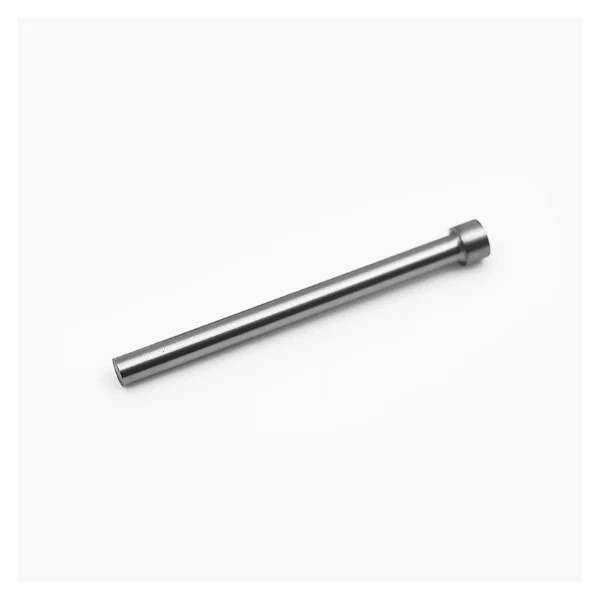
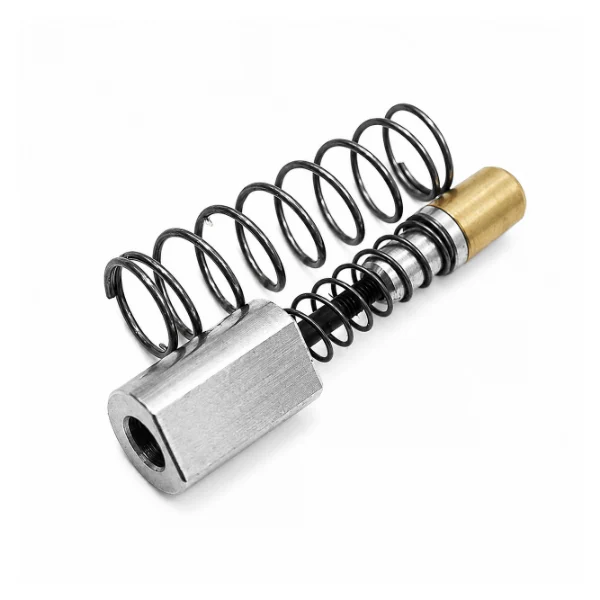
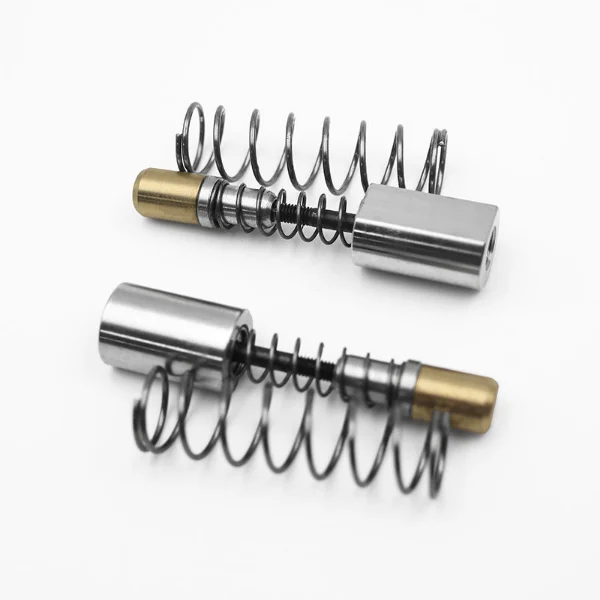
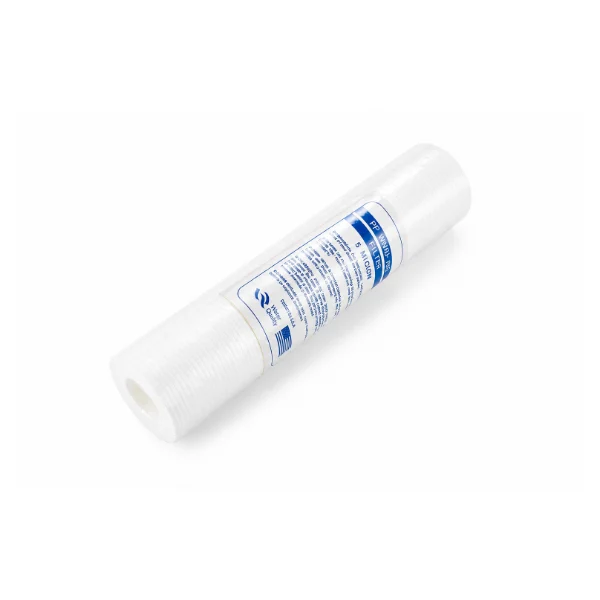
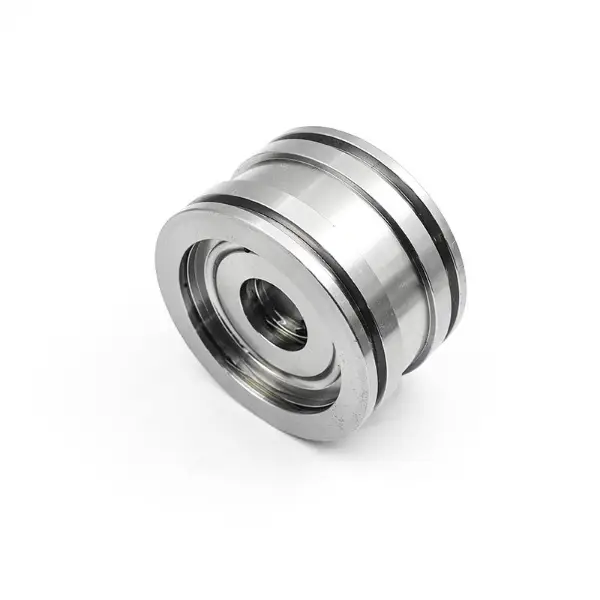
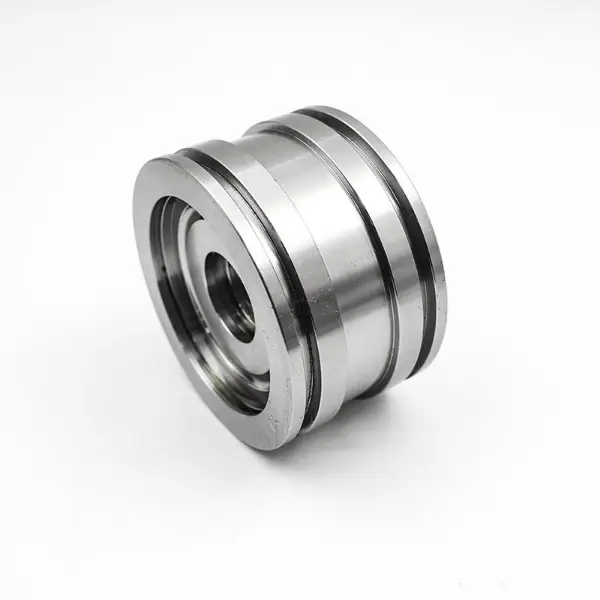
Low Pressure Piston is a hydraulic drive unit for use with compatible waterjet intensifier pumps. The product photographs with KAD illustrates a metal piston with cylindrical shape, dark bands around the circumference and recessed end face and a center axial opening. Under working conditions, hydraulic force acts on the piston in the corresponding cylinder, transferring the force to the high-pressure plunger system. Before ordering the replacement, the replacement buyers need to identify whether the original part number, piston outside diameter, band configuration, center connection dimension and the model of intensifier are correct. KAD enables you to use a specification to search for B2B replacement inquiries.
- Precision-Machined Piston Body
- Multiple Circumferential Ring Bands
- Recessed End-Face Design
- Central Axial Opening
Share:


- Description
- Technical Specifications
- Application
- FAQS
Description – Low Pressure Piston Structure and Function
The low pressure piston is a moving component in the hydraulic drive section of a compatible waterjet intensifier pump.
Hydraulic pressure acts on the piston according to the pump's original design, producing reciprocating movement that transfers mechanical force to the high-pressure plunger arrangement.
The high-pressure water circuit and the hydraulic drive circuit perform different functions within the intensifier.
The KAD photographs show a compact cylindrical metal piston with multiple dark circumferential bands, a machined outer surface, and a recessed end face containing a central opening.
These visible characteristics make the piston distinguishable from a hydraulic cylinder housing, ceramic plunger, or high-pressure water-side seal assembly.
However, the photographs do not independently establish the original OEM part number, exact dimensions, ring materials, or complete supply configuration.
For replacement purchasing, these specifications must be verified against the existing pump components and the approved equipment documentation.
Cylindrical Piston Body
The photographed piston has a machined cylindrical outer body with a relatively wide axial profile.
Its outside diameter is an important matching dimension because the component operates within the specified hydraulic cylinder.
The required clearance and relationship between the piston body, installed bands, and cylinder bore depend on the original design.
Buyers should verify the original piston diameter, overall width, outer geometry, and mating cylinder specification.
A similar-looking piston may not be interchangeable if its dimensions, ring locations, or center connection features differ.
Circumferential Ring Bands and Grooves
Multiple dark circumferential bands are visible around the outer surface of the KAD piston.
In hydraulic piston designs, circumferential grooves may accommodate sealing, guiding, or bearing components according to the original assembly.
The exact identity of the dark bands shown here has not been confirmed.
Important details include:
- Number and location of the bands
- Groove width and depth
- Installed band dimensions
- Band material and type
- Required mounting or installation arrangement
- Original replacement reference
- Supply scope with or without the installed bands
The correct configuration should be determined using the original piston drawing and component parts list.
Band quantity alone does not establish whether a product is a standard piston, an upgraded design, or a complete assembly.
Recessed End Face and Center Bore
The photographs show a recessed annular surface at one end of the piston, with a central axial opening.
This is a useful identification feature because different pistons may have similar outside diameters but different center connection arrangements.
The original design may use the center region to accommodate a designated plunger connection or other internal component.
The specific connection function and any hidden thread or retaining feature cannot be established from the photographs alone.
Buyers should confirm the center bore diameter, recess depth, applicable connection geometry, and any required internal features before purchasing.
Low Pressure Piston vs. Hydraulic Cylinder
A low pressure piston and a hydraulic cylinder are different components within the intensifier's hydraulic drive system.
The piston is the moving component.
The cylinder is the surrounding housing that contains the piston and provides the specified internal running surface.
The original equipment design determines how the piston, installed bands, cylinder bore, and adjoining components fit together.
A replacement piston must therefore be assessed in relation to its matching cylinder.
The term "low pressure" distinguishes the hydraulic drive-side component from the intensifier's ultra-high-pressure water-side plunger components. It does not establish a universal numerical pressure rating for the piston.
Bare Piston vs. Piston with Installed Bands
Not every replacement piston is supplied in the same configuration.
Some industry products are sold as bare piston bodies, while others include installed sealing or guiding components.
The KAD photographs show dark bands already positioned around the metal body, but the listing does not clearly state whether every band is included in the quoted product.
Before ordering, customers should specify whether they need:
- The metal piston body only
- The piston with the photographed installed bands
- The piston with specified replacement seals or guides
- A complete manufacturer-defined piston assembly
The exact supplied components must be confirmed during quotation.
Piston-to-Cylinder Matching Checklist
The following information can help maintenance buyers identify a replacement piston without relying only on the product photograph.
| Identification Item | Required Information | Reason for Verification |
|---|---|---|
| Original Part Number | OEM or existing supplier reference | Identifies the correct piston version |
| Intensifier Pump Model | Manufacturer and model | Establishes equipment compatibility |
| Piston Outside Diameter | Approved dimensional specification | Checks fit with the matching cylinder |
| Overall Piston Width | Original dimension | Checks axial installation requirements |
| Band Configuration | Quantity, location, type and dimensions | Confirms the specified outer component arrangement |
| Groove Dimensions | Width, depth and spacing | Checks the installed ring or band configuration |
| Center Bore | Diameter and internal geometry | Confirms the intended connection arrangement |
| Recessed End Face | Diameter and recess depth | Checks the mating interface |
| Hydraulic Cylinder | Original bore and model reference | Confirms the matching component |
| Material Grade | Original material requirement | Supports replacement specification review |
| Supply Configuration | Body only or supplied with bands | Prevents incomplete purchasing |
| Inspection Requirements | Approved drawing and acceptance criteria | Supports technical verification |
The manufacturer's original assembly drawing or approved parts list should take priority over visual comparisons.
Why Choose KAD for Low Pressure Piston Replacement?
| Item | Specification |
|---|---|
| Product Name | Low Pressure Piston |
| Product Category | Waterjet Intensifier Hydraulic Drive Component |
| Intended Equipment | Compatible waterjet intensifier pumps |
| Operating Location | Hydraulic drive side |
| Primary Function | Hydraulic piston movement and force transmission |
| Visible Shape | Machined cylindrical metal body |
| Outer Features | Multiple dark circumferential bands |
| End-Face Design | Recessed annular face |
| Center Feature | Axial opening |
1. Waterjet Intensifier Hydraulic Drive Maintenance
A low pressure piston may require inspection or replacement during maintenance of the intensifier's hydraulic drive section.
The correct part should be identified using the original pump model, piston reference, and approved maintenance instructions.
2. Piston-to-Cylinder Fit Verification
When replacing a piston, technicians should evaluate its relationship with the designated hydraulic cylinder bore.
The relevant dimensions and installed band requirements must correspond to the original design.
3. Piston Band and Groove Inspection
Maintenance personnel may inspect circumferential bands and associated grooves for damage, abnormal wear, or other conditions specified in the service manual.
The actual condition of the mating cylinder and related components should also be evaluated.
4. Intensifier Repair and Component Identification
During an intensifier repair, the piston may be compared with the original parts diagram to confirm its configuration and version.
Center connection dimensions, end-face features, and band locations can help distinguish different piston designs.
5. Industrial Spare Parts Purchasing
Industrial waterjet service companies and distributors may purchase low pressure pistons as replacements for equipment maintenance.
An accurate quotation request should identify the pump model, original part number, piston configuration, and expected purchasing quantity.
1. What does a Low Pressure Piston do in a waterjet intensifier pump?
A Low Pressure Piston is part of the hydraulic drive section of a compatible waterjet intensifier pump. Hydraulic pressure drives the piston through its specified reciprocating movement, transferring mechanical force to the high-pressure plunger arrangement. The piston itself is not the component that directly forms the cutting waterjet. Its dimensions and operating configuration must correspond to the original intensifier design.
2. Why is it called a low pressure piston when the waterjet system operates at very high pressure?
The name refers to the component's position on the hydraulic drive side of the intensifier, which is separate from the ultra-high-pressure water circuit. It does not mean the piston operates without significant hydraulic pressure, and it does not specify one universal operating pressure. The applicable hydraulic pressure and component specifications must be confirmed for the original pump model.
3. Are the black bands on the piston sealing rings or guide bands?
The product photographs show several dark bands around the piston body. They may correspond to sealing, guiding, or related circumferential components, but their exact identity cannot be verified from the images alone. Customers should confirm the original band part numbers, materials, groove dimensions, and supplied configuration before ordering.
4. How do I check whether a low pressure piston fits my hydraulic cylinder?
Start with the original intensifier model and part number. Verify the piston outside diameter, overall width, band configuration, and center connection dimensions. The matching cylinder bore and approved assembly requirements must also be checked. Two pistons with similar external appearances may not be interchangeable if their dimensions or mounting features differ.
5. Is a Low Pressure Piston the same as a Hydraulic Piston Assembly?
The terms may refer to related components, but the supply configurations can differ. A bare piston body may be supplied without bands or seals, while a designated piston assembly may include additional installed components. The KAD photographs show bands on the piston, but the exact included items require confirmation. The quotation should clearly identify the requested supply scope.
6. What information should I send KAD for a replacement piston quotation?
Please provide the waterjet intensifier manufacturer and model, original part number, piston outside diameter, overall width, center bore dimensions, and required band configuration. Photographs and an original drawing are helpful when available. Also indicate whether you need the bare piston or a specified assembled configuration, together with the estimated purchase quantity.