


Pure Water Orifice for Precision Waterjet Cutting Systems
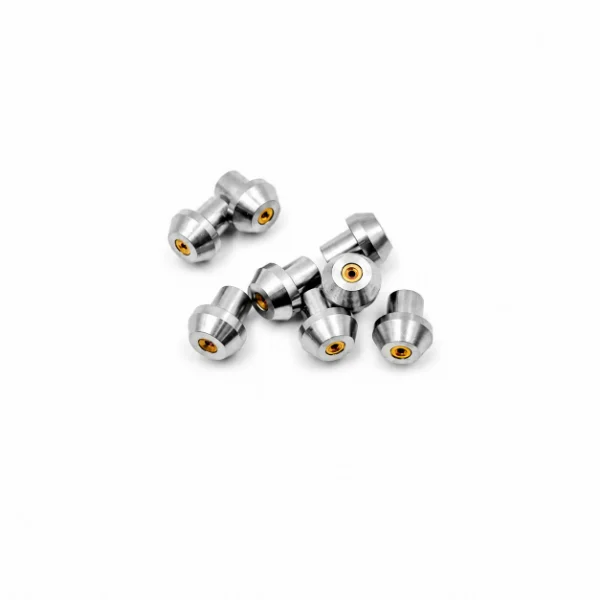
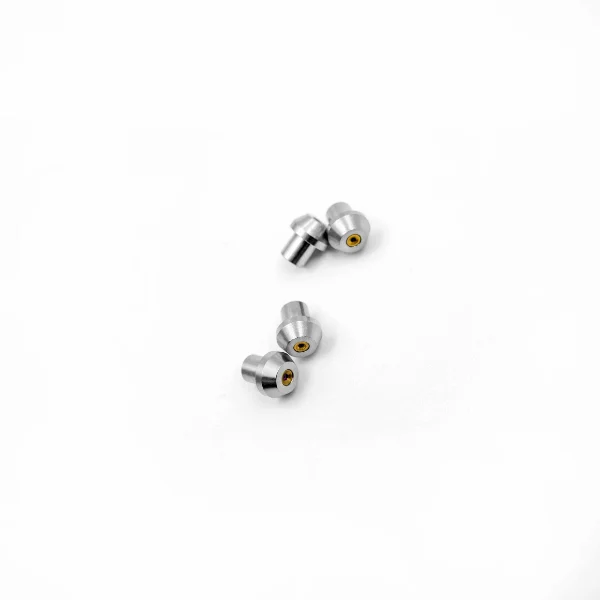
Pure Water Orifice is a precision jewelled nozzle which is used to create a high velocity concentrated water flow for cutting without abrasives. It is for compatible waterjet cutting heads and it can be used for processing soft materials like rubber, foam, soft textiles, paper or some plastic materials. The aperture and jewel material characteristics available should be determined based on pump performance and nozzle compatibility. KAD is the supplier of replacement orifice components for maintenance and spare parts distribution as well as B2B purchasing needs for industrial cutting equipment.
- Precision Jewel Aperture
- Pure Waterjet Cutting
- Ruby & Diamond Options
- Multiple Orifice Sizes
Share:


- Description
- Specification
- Application
- FAQS
Pure Water Orifice for Abrasive-Free Cutting Applications
A pure water orifice is a small but essential component in a water-only cutting system. It directs pressurized water through a precisely formed opening, producing a concentrated jet used to cut suitable materials without adding abrasive particles.
Unlike abrasive waterjet cutting, which introduces garnet or another abrasive into the cutting stream, pure water cutting relies on the energy of the water jet itself. This method is particularly useful for selected flexible, soft, and nonmetallic materials.
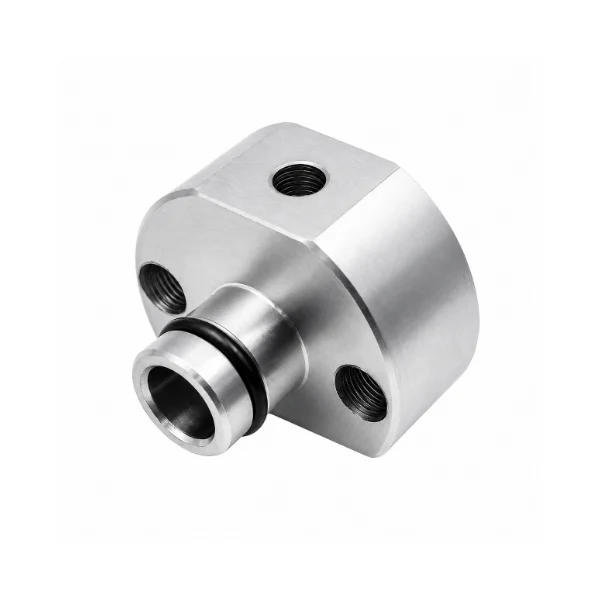
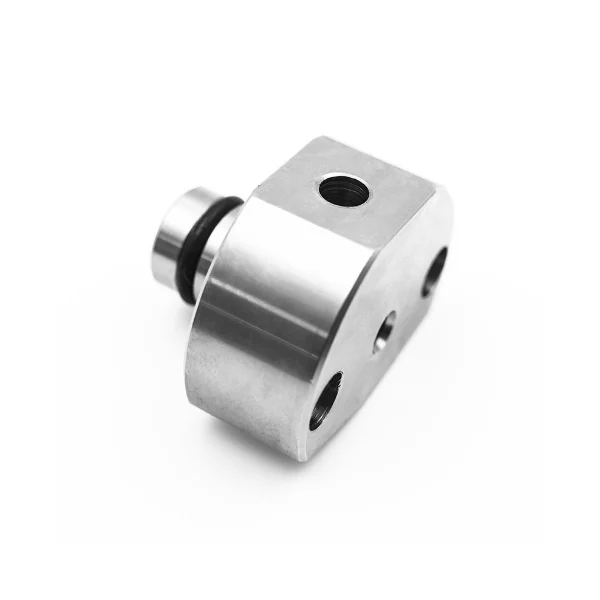
The orifice assembly generally consists of a jewel insert positioned within a compatible mounting component. The jewel's opening diameter, edge condition, and installation geometry influence the resulting stream.
KAD's published product range lists ruby and diamond options with aperture sizes from 0.08 mm to 0.4 mm. Actual availability and compatibility should be confirmed before ordering.
Key Features of Pure Water Orifice Components
01. Fine Waterjet Formation
The small jewel opening helps generate a concentrated water stream for cutting applications that do not require abrasive addition.
02. Multiple Aperture Options
Different opening diameters allow buyers to match the orifice to pump flow capacity, operating pressure, and intended cutting requirements.
03. Ruby and Diamond Options
The listed jewel material options allow customers to compare initial component cost, expected wear characteristics, and maintenance requirements.
04. Compact Nozzle Installation
The metal-mounted jewel assembly is intended for use with a corresponding cutting head interface. Correct seating dimensions and sealing compatibility are essential for replacement selection.
How Does a Pure Water Orifice Work?
In a pure waterjet system, the high-pressure pump delivers water to the cutting head.
The water passes through the small opening in the jewel orifice, where pressure energy is converted into a high-velocity stream.
The resulting jet is directed toward the workpiece to cut suitable materials without an abrasive mixing process.
The orifice opening plays an important role in determining water consumption and jet characteristics. However, actual cutting performance also depends on pressure, pump capacity, nozzle alignment, cutting speed, material properties, and equipment condition.
How to Select the Right Orifice Diameter
Choosing a suitable aperture is one of the most important steps when replacing a pure water cutting nozzle.
Smaller Aperture Diameters
At the same operating pressure, smaller openings generally require less water flow and may be suitable for applications requiring a narrower cutting stream.
Larger Aperture Diameters
Larger openings increase water flow demand and may be useful where more waterjet power is required, provided the pump and cutting head are designed to accommodate the selected size.
Pump Capacity and Operating Pressure
The diameter should be selected according to the equipment manufacturer's specifications. An oversized orifice may exceed the available pump flow capacity and affect pressure stability.
Mounting Compatibility
Even if two jewel orifices have the same opening diameter, their external mounting dimensions or sealing arrangements may differ.
For reliable replacement selection, confirm the complete assembly specifications instead of choosing by aperture size alone.
Ruby vs. Diamond Orifice Options for Water-Only Cutting
Ruby and diamond are both established jewel materials used in waterjet orifice applications, but they have different cost and maintenance considerations.
Ruby Orifice
Ruby is a hard jewel material commonly used in waterjet nozzle components. It can provide a practical option for buyers seeking to balance replacement cost and operating requirements.
Diamond Orifice
Diamond is valued for its hardness and wear resistance. Depending on the orifice design and operating conditions, diamond options may provide longer service intervals, although the initial purchase price is typically higher.
Selection Considerations
For either material, buyers should confirm the orifice design, approved pressure range, mounting dimensions, water quality requirements, and intended application.
Material selection alone does not guarantee a particular cutting accuracy or service life.
Pure Water Orifice vs. Abrasive Waterjet Orifice
Both pure water and abrasive waterjet systems use small jewel openings to generate high-velocity water streams. The major difference lies in the downstream cutting process.
In pure waterjet cutting, the water stream directly acts on the workpiece without abrasive addition.
In abrasive waterjet cutting, the water stream enters a mixing arrangement where abrasive particles are introduced before the combined stream passes through a focusing tube.
Although some orifice materials are used in both systems, components should not automatically be considered interchangeable.
The correct design must match the cutting head, operating pressure, mounting interface, and intended cutting process.
Engineering Strength & Orifice Inspection
Precision Features That Influence Jet Quality
Orifice performance depends on more than jewel hardness. The condition of the microscopic opening and the accuracy of its mounting are important for correct operation.
When evaluating replacement orifice components, relevant inspection criteria include:
1. Aperture Diameter
The actual opening size should correspond to the ordered specification and the equipment's approved operating configuration.
2. Jewel Opening Condition
The opening should be checked for damage, irregularity, or contamination that could adversely affect the water stream.
3. Jewel and Holder Alignment
The jewel must be properly positioned within its mounting component to support the intended flow path.
4. Mounting and Sealing Surfaces
External dimensions and contact surfaces should match the cutting head interface and corresponding sealing arrangement.
5. Material Identification
The specified jewel material should be confirmed against the product reference or technical documentation.
Why Choose KAD?
| Item | Specification |
|---|---|
| Product Type | Pure Water Orifice |
| System Type | Waterjet Cutting Machine |
| Function | High-pressure jet formation |
| Cutting Type | Pure waterjet cutting (no abrasive) |
| Material Options | Ruby / Diamond |
| Aperture Size | 0.08 – 0.4 mm (micro precision range) |
| Working Pressure | Up to 60,000 PSI / 420MPa |
| Manufacturing Process | Micro-drilling + optical polishing |
| Application | Industrial waterjet systems |
1. Rubber and Gasket Cutting
Pure waterjet equipment can process suitable rubber sheets and flexible gasket materials without abrasive particles in the cutting stream.
2. Foam Material Processing
Water-only cutting is used for selected packaging foam, cushioning materials, and industrial foam components where the material properties are compatible with the process.
3. Paper and Cardboard Cutting
A concentrated water jet can be used for selected paper products and packaging materials, depending on thickness, moisture sensitivity, and cutting conditions.
4. Textile and Nonwoven Cutting
Pure waterjet technology is used in certain fabric, felt, and nonwoven processing applications where noncontact cutting is beneficial.
5. Automotive Interior Materials
Water-only cutting may be suitable for selected automotive carpets, sound-insulation materials, cushioning layers, and other soft interior components.
6. Selected Plastic Film and Sheet Processing
Some thin or flexible plastic materials can be processed using pure waterjet equipment, subject to the material type, thickness, and machine configuration.
7. Food Processing Equipment
Water-only cutting is used in some food processing systems. Any orifice intended for this application must be evaluated separately for the applicable hygiene, material, and equipment compliance requirements.
1. What is a pure water orifice used for?
A pure water orifice forms a concentrated high-velocity water stream for cutting suitable materials without adding abrasive particles. It is commonly associated with water-only cutting systems used for rubber, foam, textiles, paper, and selected plastics.
2. How do I choose the correct pure water orifice size?
The aperture should be selected according to pump capacity, operating pressure, required water flow, cutting material, and original equipment specifications. KAD's published range includes 0.08–0.4 mm openings, but availability of individual sizes and configurations must be confirmed.
3. What is the difference between ruby and diamond orifices?
Ruby is commonly selected for its combination of hardness and component cost. Diamond generally offers greater wear resistance and may support longer service intervals in suitable conditions. Actual performance depends on water quality, pressure, orifice design, and maintenance.
4. Can a pure water orifice be used in an abrasive waterjet cutting head?
Some waterjet cutting heads use related jewel orifice technologies, but replacement compatibility cannot be assumed. The orifice geometry, mounting arrangement, pressure rating, and original part reference must match the specific cutting head.
5. How can I tell when a pure water orifice needs replacement?
Possible indications include visible jewel damage, a clogged opening, irregular jet formation, or deteriorating cutting quality. Since similar symptoms can arise from water supply or pump problems, maintenance personnel should inspect the complete system using the equipment manufacturer's procedure.
6. What information is needed for a bulk pure water orifice quotation?
Please provide the required aperture diameter, preferred jewel material, original part number, waterjet equipment model, operating pressure, and estimated order quantity. Technical drawings or photographs of the existing assembly can also help confirm compatibility.