


Waterjet Copper Ring – Machined Rings for Dardi Parts
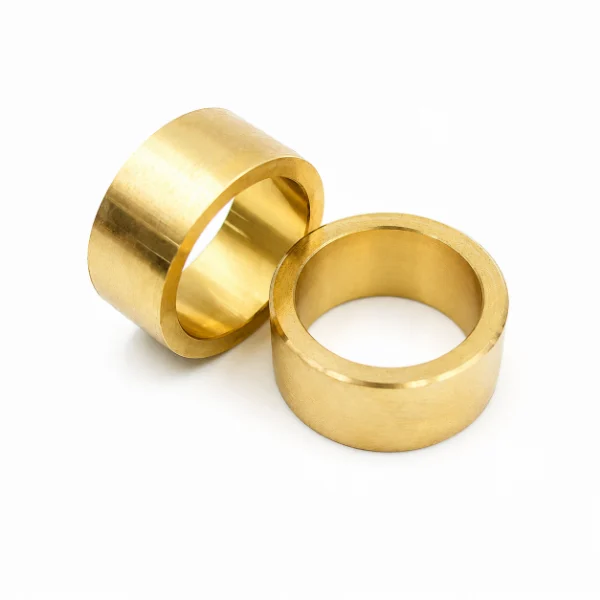
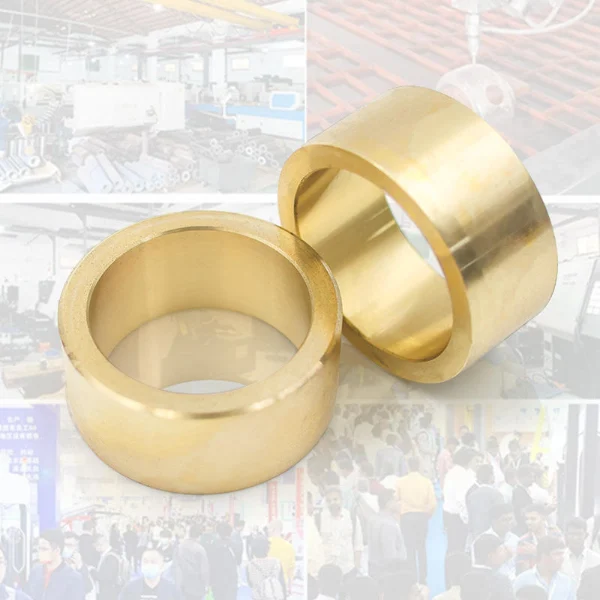
Waterjet Copper Ring is a waterjet ring to replace rings for dardi that has a cylindrical shape. The images demonstrate two rings of gold that have a space opening allowance at the inner bore, smooth outer ring surface and flat end faces. These attributes help to determine ring size and identify the ring metal when replacing rings. Prior to ordering, the Buyer needs to make sure that the Vendor provides information regarding original part number, installation position, copper alloy grade, inner diameter, outer diameter, axial size, and requirements of matching parts.
- Precision-Machined Ring Geometry
- Smooth Cylindrical Inner Bore
- Flat Ring End Faces
- Custom Size Matching Support
Share:


- Description
- Specification
- Application
- FAQS
Description – Copper Ring Structure and Dimensional Features
Waterjet copper rings are ring-shaped metal components used in specific waterjet equipment assemblies according to the original manufacturer design.
KAD's product listing presents this type of component for Dardi-related waterjet spare parts applications.
The photographed product consists of thick cylindrical rings with an open center, machined outer surfaces, and flat contact faces.
Unlike a complete mixing tube, high-pressure seal kit, or cutting head assembly, the product shown is an individual ring-shaped metal part.
When replacing this type of component, dimensional compatibility and the intended installation position must be established before the required ring can be identified.
KAD supports part identification and drawing-based replacement inquiries for industrial waterjet customers.
Cylindrical Ring Geometry
The main visible feature of the product is its thick-walled cylindrical ring design.
Each ring has a circular outer surface and a machined opening running through the center.
The relationship between the inner diameter, outside diameter, and axial width determines the component's basic geometry.
Customers should compare these dimensions with the original part rather than relying on the product photograph alone.
The exact dimensional requirements depend on the specified equipment application.
Inner Bore and End-Face Dimensions
The internal bore is one of the most important features when identifying a replacement ring.
For a properly specified component, the inner diameter must correspond to the intended mating part.
The ring also has two flat end faces that may form contact interfaces with adjacent components according to the original assembly design.
Relevant dimensions include:
- Inner diameter
- Outer diameter
- Axial ring width
- End-face geometry
- Edge chamfers or radii, where specified
- Dimensional tolerances
All measurements should be taken from the approved component drawing or a suitable reference part.
Copper Alloy and Material Identification
The product photographs show a gold-colored metal ring.
The current listing describes copper alloy as a material option. However, the exact material grade has not been established from the available product information.
Copper, brass, and other copper-based alloys can have different mechanical and physical properties.
The correct material should therefore be selected according to the original equipment requirements.
Buyers should specify the required alloy grade, material condition, and any applicable finishing requirements rather than relying on color alone.
Installation Position and Component Function
The existing product listing refers to both an HP end copper ring and a mixing tube ring.
These descriptions may relate to different positions within a waterjet cutting system.
For example, a ring intended for a high-pressure sealing arrangement may have different geometric and material requirements from a collar used in a mixing tube assembly.
The photographs do not establish which specific installation position applies to the two rings shown.
Customers should provide the original part reference or an assembly drawing to confirm whether the required ring is used in a high-pressure pump assembly, cutting head, or another designated component.
Copper Ring vs. Complete Sealing or Mixing Tube Assembly
A copper ring is an individual mechanical component, not a complete high-pressure sealing kit or mixing tube assembly.
A high-pressure seal kit may include several separate sealing, support, and retaining components.
A mixing tube assembly can include the focusing tube and related retaining or mounting components.
The correct part selection depends on the original assembly design.
KAD can evaluate the supplied photographs, drawings, dimensions, and equipment references to help clarify the requested component.
Engineering Strength & Component Inspection
1. Inner and Outer Diameter Verification
Ring dimensions should be inspected against the original component drawing.
The inner and outer diameters are important for determining whether the replacement matches the mating equipment parts.
Suitable dimensional measuring methods should be selected according to the specified tolerances.
2. Axial Width and End-Face Inspection
Ring width and end-face geometry are relevant to mechanical fit.
Inspection should consider the specified axial dimension, surface condition, and any required end-face characteristics.
Acceptance requirements must follow the approved drawing.
3. Material Grade Confirmation
The exact copper or copper-alloy grade should be verified before production or replacement.
Any requested material certificates, mechanical properties, and finishing specifications should be established during technical review.
A gold-colored appearance alone does not verify the material composition.
4. Machined Surface and Edge Inspection
The ring's visible inner bore, cylindrical outer surface, and machined edges should be examined for damage or dimensional defects.
Surface finish, chamfers, edge condition, and other critical requirements should be checked against the intended component specifications.
Why Choose KAD for Copper Ring Parts?
| Item | Specification |
|---|---|
| Product Type | Copper Ring / Mixing Tube Ring |
| System Type | Dardi Waterjet Cutting Head |
| Function | Sealing & structural support |
| Working Pressure | Up to 60,000 PSI / 420MPa |
| Material | Copper alloy / high-strength metal |
| Manufacturing Process | CNC precision machining |
| Feature | High thermal conductivity & wear resistance |
| Application | Industrial waterjet cutting systems |
1. Dardi Waterjet Spare Parts Replacement
The copper ring can be evaluated for replacement requirements involving compatible Dardi-related waterjet components.
The original part number, material specification, dimensions, and assembly location should be confirmed before purchasing.
2. Ring Component Identification During Maintenance
During waterjet maintenance, a ring-shaped component may need to be identified for inspection or replacement.
Clear photographs and accurate dimensional measurements help distinguish similar-looking rings used in different equipment assemblies.
3. Component Fit and Contact Surface Inspection
Maintenance technicians may inspect the ring's bore, outer surface, end faces, and mating contact areas for visible damage.
Any replacement decision should follow the original equipment manufacturer's requirements.
4. High-Pressure Pump or Cutting Head Parts Matching
The original product description refers to both high-pressure end and mixing tube applications.
The correct installation location must be verified using a component drawing or original equipment parts list.
These applications should not be treated as interchangeable without technical confirmation.
5. Custom Machined Ring Procurement
Industrial buyers and spare parts distributors may require replacement rings based on an original sample or engineering drawing.
KAD can review requested ring dimensions, material grades, inspection requirements, and purchasing quantities for quotation.
1. What is a Waterjet Copper Ring?
A Waterjet Copper Ring is a ring-shaped metal component used in a specified waterjet equipment assembly. The product shown on this page has a cylindrical outer surface, central bore, and flat end faces. Its actual function depends on the original part design and installation location.
2. Is this copper ring used in a high-pressure pump or a mixing tube assembly?
The existing listing refers to both high-pressure end and mixing tube applications, but the product photographs do not confirm the exact installation position. These locations can involve different component designs and technical requirements. Buyers should provide an original part number or assembly drawing to verify the correct application.
3. What dimensions are needed to identify a replacement copper ring?
The most important basic dimensions are the inner diameter, outer diameter, and axial width. Depending on the original design, edge geometry, surface finish, and dimensional tolerances may also be required. Accurate measurements or an engineering drawing help distinguish between rings that look similar but are not interchangeable.
4. Are waterjet copper rings made from pure copper or brass?
The exact material depends on the original component specification. Copper and brass are different materials, and a gold-colored appearance does not establish the composition. The copper alloy grade, material condition, and applicable technical requirements should be confirmed before ordering.
5. Can this copper ring be used as a high-pressure seal replacement?
Only if the original equipment documentation identifies the component for that sealing application and confirms the required geometry, material, and operating specifications. A machined copper ring should not automatically be treated as a certified high-pressure sealing component based solely on its appearance or product title.
6. What information should I provide when ordering a waterjet copper ring?
Please provide the original equipment model, component part number, installation position, inner diameter, outer diameter, axial width, material requirements, and purchasing quantity. Photographs, an assembly drawing, or a reference sample can help KAD review the requested replacement and manufacturing requirements.