


Waterjet Cutting Head Consumables – Orifices & Focusing
Waterjet Cutting Head Consumables consist of jewel orifices and focusing tubes that are utilized in compatible abrasive waterjet cutting systems. Various focusing tubes and compact orifices can be seen through KAD product gallery for replacement needs in industrial cases. These parts serve a dual purpose of water jet formation and of guiding the abrasive stream. To make effective purchase, buyers need to determine the original part numbers, orifice aperture sizes, size of focusing tube, model of equipment, and numbers needed. KAD enables B2B inquires to maintenance teams and spare parts distributors by specifying.
- Jewel Orifice and Focusing Tube Options
- Multiple Consumable Configurations
- Model and Size Matching Support
- B2B Maintenance Stock Supply
Share:


- Description
- Specification
- Application
- FAQS
Description – Essential Consumables for Abrasive Cutting Heads
Abrasive waterjet cutting heads use several components that require inspection and periodic replacement during industrial operation.
Among the most frequently purchased consumables are jewel orifices and focusing tubes.
Although both belong to the cutting head, they perform different functions and must be selected according to their individual specifications.
The orifice forms the initial high-velocity water stream before abrasive material enters the mixing chamber.
The focusing tube, also called a mixing tube, guides the combined abrasive-water stream after mixing.
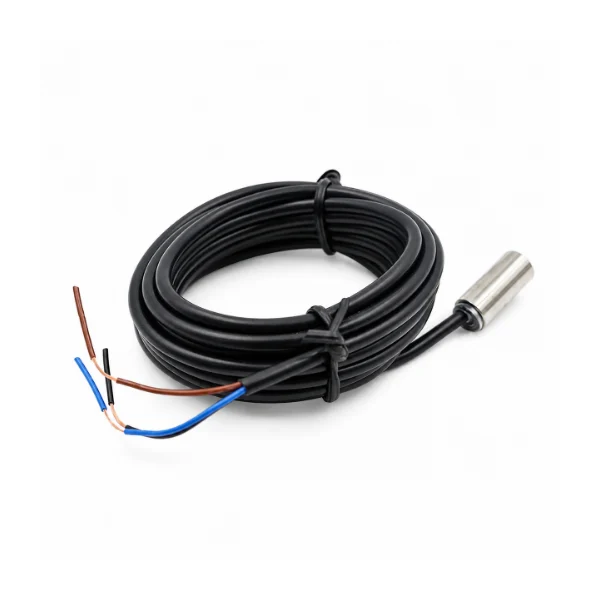
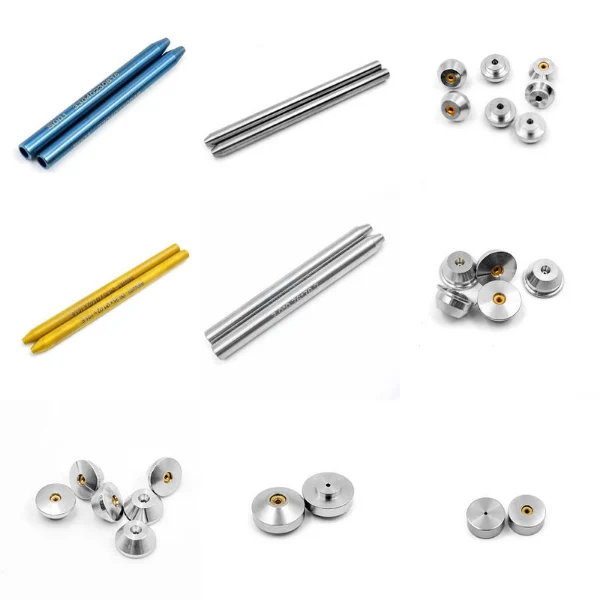
KAD's product gallery presents several colored and metallic focusing tube designs together with compact jewel orifice components.
The correct replacement depends on the original cutting head configuration, component dimensions, and approved operating requirements.
For maintenance buyers and industrial distributors, accurate part identification is essential when ordering several consumable types in one purchase.
Jewel Orifices for Waterjet Formation
The jewel orifice contains a small aperture that forms the initial high-speed water stream.
Orifice designs can vary in jewel material, metal housing configuration, aperture diameter, and mounting geometry.
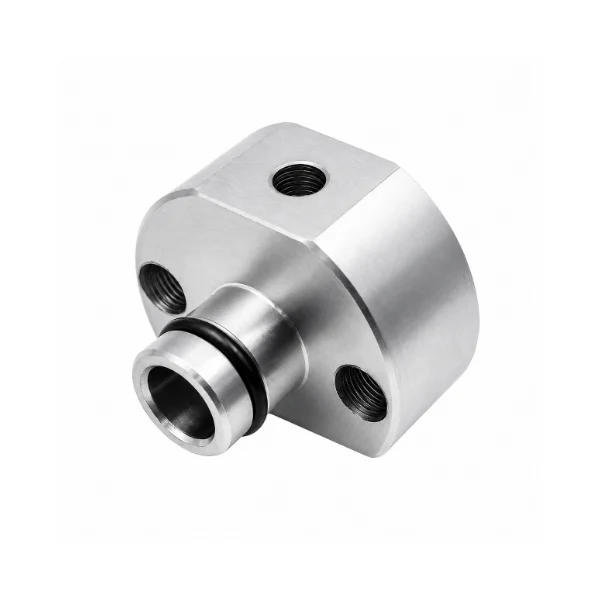
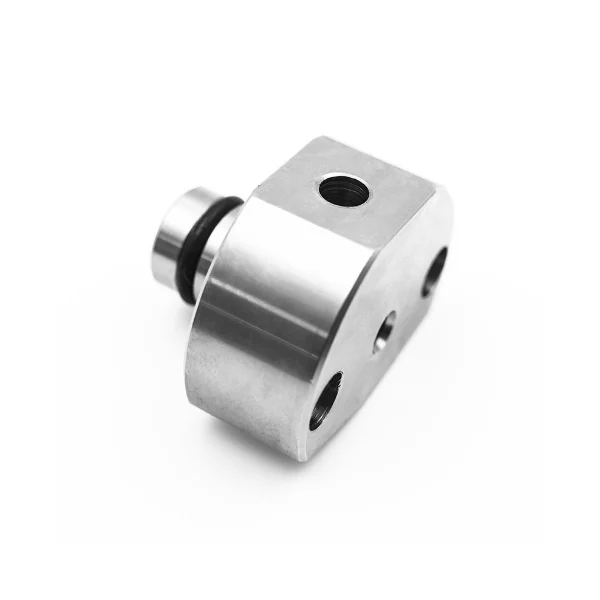
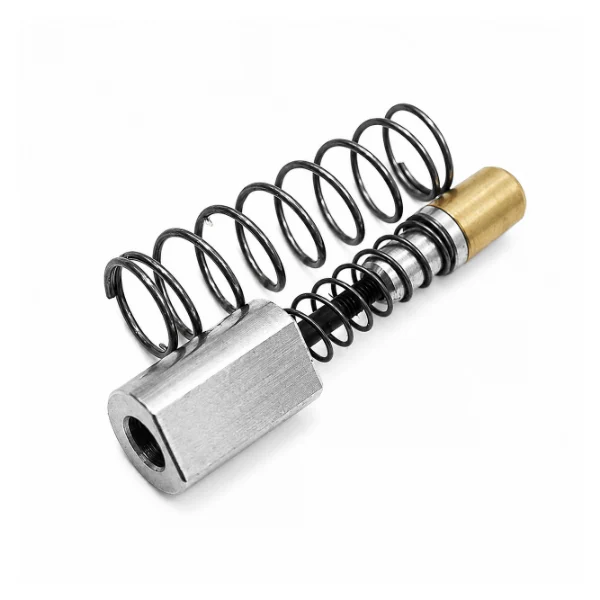
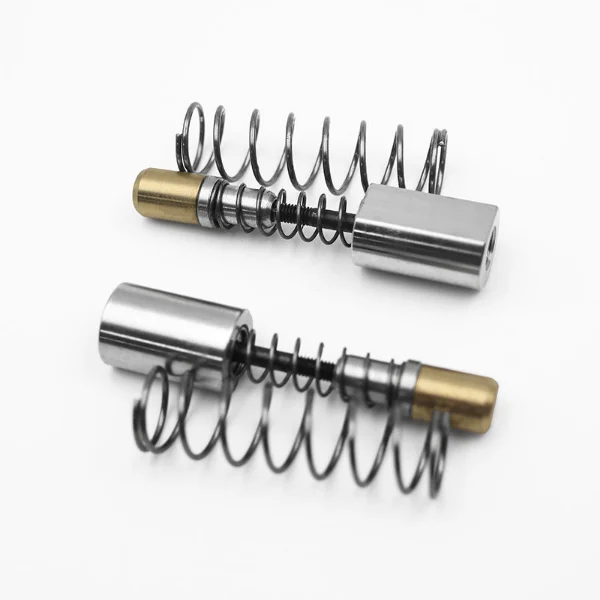
The KAD product photographs show compact circular orifice components with central openings and jewel mounting areas.
Their individual jewel materials and exact aperture sizes cannot be confirmed from the photographs alone.
When ordering a replacement orifice, buyers should verify:
- Original part number
- Jewel material
- Fixed aperture diameter
- Housing or mounting style
- Orifice seat dimensions
- Compatible cutting head model
A replacement must meet the approved requirements of the original cutting head.
The orifice should not be confused with the downstream focusing tube.
Focusing Tubes for Abrasive Jet Guidance
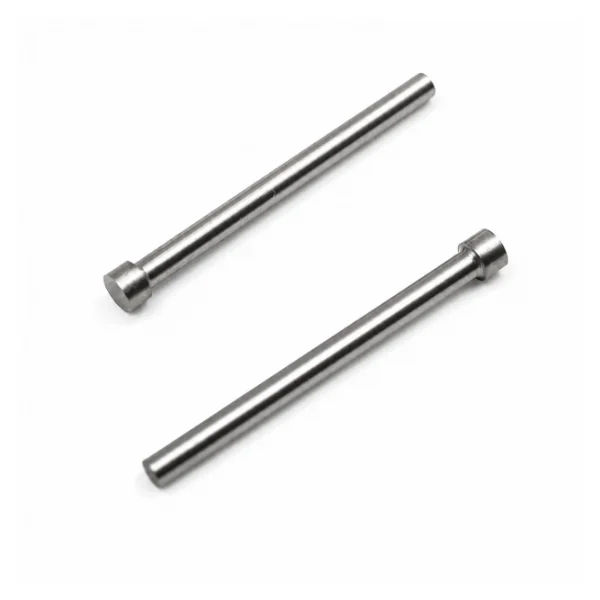
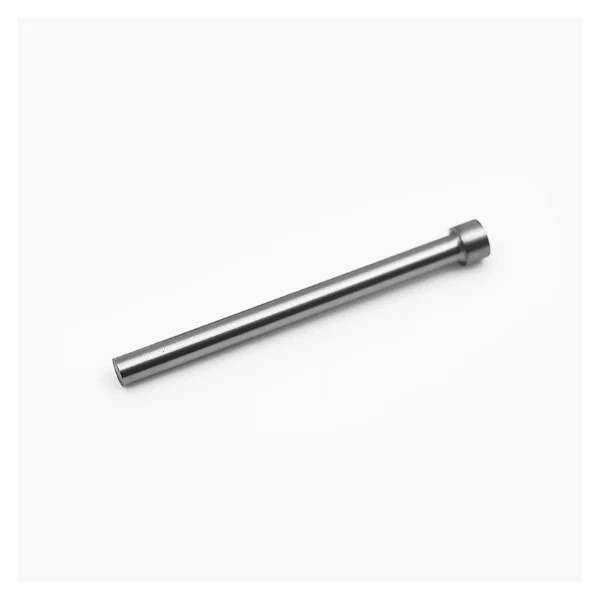
Focusing tubes are elongated components positioned downstream of the mixing chamber in an abrasive waterjet cutting head.
They guide the combined water and abrasive stream toward the workpiece.
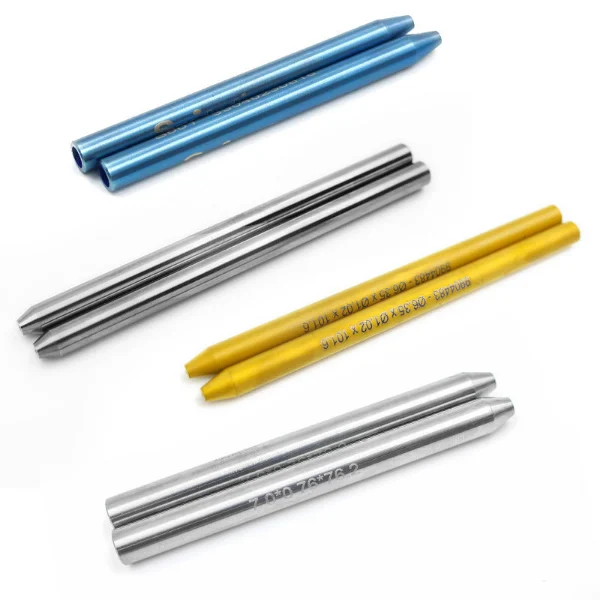
The KAD gallery displays blue, yellow, and metallic-colored tube configurations with different visible end profiles.
External colors and finishes do not independently establish the internal wear-resistant material or product grade.
Important focusing tube specifications include the inside diameter, outside diameter, overall length, end profile, and applicable cutting head connection.
Buyers should also verify the required material grade and original replacement reference.
Different focusing tubes may have similar external appearances while using different internal bores or mounting dimensions.
Why Orifices and Focusing Tubes Are Ordered Together
Jewel orifices and focusing tubes are commonly purchased by the same waterjet maintenance teams because they belong to the same cutting head system.
However, this does not mean they must always be replaced at the same time.
Each component has its own inspection requirements and replacement criteria.
A damaged orifice may affect the quality of the initial water stream.
A worn focusing tube may have an enlarged or uneven internal bore that affects downstream abrasive stream guidance.
These conditions require separate inspection and diagnosis.
For purchasing efficiency, customers may include both component types in a single quotation request while identifying each item by its own part number and specifications.
Consumable Wear and Replacement Indicators
Waterjet cutting head components experience wear under operating conditions that depend on the machine configuration, abrasive feed, water quality, maintenance procedures, and operating schedule.
An orifice may require inspection when technicians identify jet irregularities, aperture damage, contamination, or another condition described in the equipment manufacturer's service instructions.
A focusing tube may require inspection when the bore shows wear, the tube becomes damaged, or cutting performance changes unexpectedly.
Poor cutting results should not automatically be attributed to either component.
The mixing chamber, abrasive supply, cutting parameters, and other parts of the machine can contribute to similar symptoms.
Replacement decisions should follow the manufacturer's inspection and maintenance criteria rather than an unsupported universal service-life claim.
Replacement Parts Matching Guide
When sourcing cutting head consumables, record the specifications of each part separately.
| Purchasing Item | Information to Confirm | Reason |
|---|---|---|
| Jewel Orifice | Original part number | Identifies the required replacement |
| Orifice Aperture | Fixed diameter | Matches the selected cutting head configuration |
| Orifice Housing | Mounting style and dimensions | Confirms installation compatibility |
| Focusing Tube | Original part number | Identifies the correct tube variant |
| Tube Bore | Inside diameter | Confirms the specified abrasive stream passage |
| Tube Dimensions | Outside diameter and length | Checks cutting head fit |
| End Configuration | Original end geometry | Avoids incorrect mechanical substitution |
| Cutting Head Model | Manufacturer and model | Confirms equipment requirements |
| Order Quantity | Quantity for each specification | Supports itemized B2B quotations |
Customers should refer to the original equipment specifications when selecting replacement combinations.
A matching appearance or a common nominal size does not guarantee interchangeability.
Stock Planning for Multi-Head Waterjet Machines
Industrial waterjet operators and spare parts distributors may manage several cutting head configurations at the same facility.
Maintaining accurate records helps reduce the risk of ordering the wrong orifice or focusing tube.
Separate Stock by Component Type
Orifices and focusing tubes should be identified as separate inventory items.
Their dimensions, material requirements, and replacement conditions are different.
Record Every Approved Part Number
Each cutting head configuration should have a documented reference for the approved orifice and focusing tube.
Alternative references should be used only when compatibility has been verified.
Track Consumable Usage
Maintenance teams can record installed components, inspection results, replacement dates, and quantities consumed.
Actual usage history can support future purchasing decisions without relying on arbitrary replacement intervals.
Prepare Itemized Replenishment Orders
For recurring B2B orders, buyers should prepare separate lines for each component model, specification, and quantity.
This information helps avoid confusion when similar-looking consumables are purchased together.
Why Choose KAD for Cutting Head Consumables?
| Item | Specification |
|---|---|
| Product Type | Waterjet Spare Parts Set |
| System Type | Abrasive Waterjet Cutting Machine |
| Working Pressure | Up to 60,000 PSI / 420MPa |
| Function | Cutting, sealing, pressure safety control |
| Cutting Material | Stone / Granite / Metal / Glass |
| Material | Tungsten carbide / stainless steel / alloy steel |
| Operation Mode | Continuous industrial use |
| Application | Waterjet cutting machine system |
1. Routine Waterjet Cutting Head Maintenance
Jewel orifices and focusing tubes are commonly inspected during routine cutting head servicing.
The correct replacement should be selected according to the manufacturer's maintenance criteria and component specifications.
2. Multi-Machine Consumable Stock Management
Waterjet operators with different machine or cutting head models may require multiple consumable variants.
Separate part-number records help purchasing teams manage compatible replacement stock.
3. Orifice and Focusing Tube Replacement Orders
Maintenance teams may request both orifices and focusing tubes when replenishing cutting head spare parts.
Each component should be specified independently, even when included in a combined order.
4. Cutting Head Wear Investigation
If cutting performance changes, technicians may inspect the orifice, focusing tube, mixing chamber, and abrasive delivery components.
The actual cause should be established before replacing parts.
All inspection and disassembly must follow approved machine safety procedures.
5. Industrial Distributor and OEM Spare Parts Purchasing
Industrial distributors, maintenance contractors, and equipment manufacturers may require repeat purchases of approved consumable specifications.
An itemized request listing equipment references, part numbers, dimensions, and quantities helps clarify the quotation and delivery requirements.
1. What are the main consumables in an abrasive waterjet cutting head?
Jewel orifices and focusing tubes are two common consumables in abrasive waterjet cutting heads. The orifice forms the initial high-speed water stream, while the focusing tube guides the abrasive-water stream downstream of the mixing chamber. Other cutting head parts may also require maintenance, but the components shown on this page primarily belong to these two product groups.
2. Should a waterjet orifice and focusing tube always be replaced together?
Not necessarily. Orifices and focusing tubes perform different functions and have different wear and inspection conditions. A maintenance team should inspect each component separately and follow the equipment manufacturer's replacement criteria. Both parts may be included in one purchasing order without requiring simultaneous replacement.
3. What focusing tube dimensions must be confirmed before ordering?
Buyers should verify the inside diameter, outside diameter, overall length, end configuration, material specification, and original part number. The correct dimensions depend on the cutting head and mounting arrangement. A similar-looking tube may not be suitable if its bore or external dimensions differ from the approved specifications.
4. How can I identify the correct jewel orifice for my cutting head?
Start with the original part number and cutting head model. Confirm the jewel aperture diameter, mounting style, housing dimensions, and any applicable material requirements. Photographs can help identify the general design, but technical specifications are needed to establish replacement compatibility.
5. How should a maintenance team plan cutting head consumable inventory?
Maintenance teams can track component part numbers, installed quantities, inspection findings, replacement history, and available stock. Records should distinguish orifices from focusing tubes and separate different dimensional variants. Replenishment quantities can then be estimated from actual consumption and upcoming maintenance needs rather than a fixed schedule assumed for every machine.
6. Can KAD supply different orifice and focusing tube specifications in one B2B order?
Customers can submit a combined inquiry containing different orifice and focusing tube specifications. Each line item should include the original part reference, equipment model, relevant dimensions, and required quantity. KAD can review the request and confirm available products, supply arrangements, and quotation details for the specified components.