


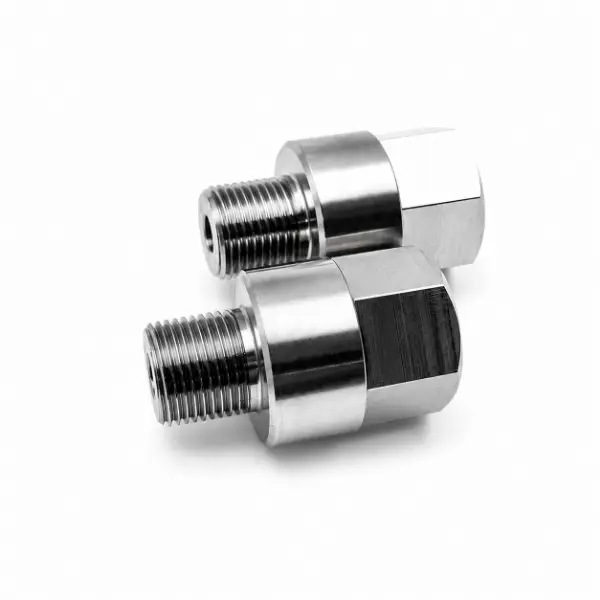
Waterjet High Pressure Adapter – Hex-Body Threaded Connector
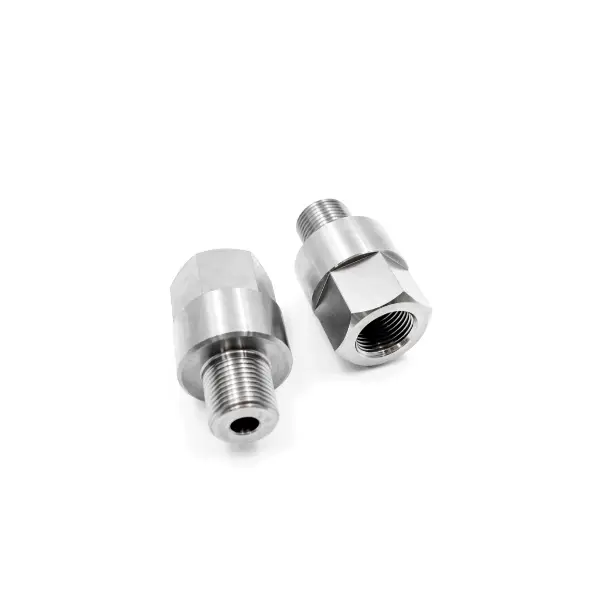
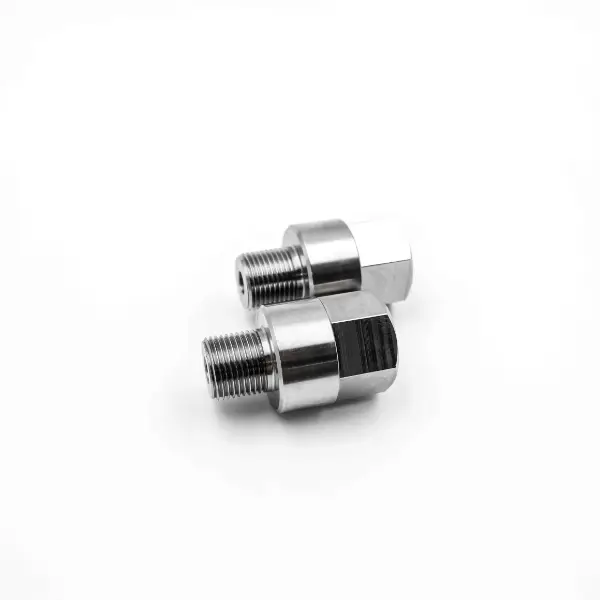
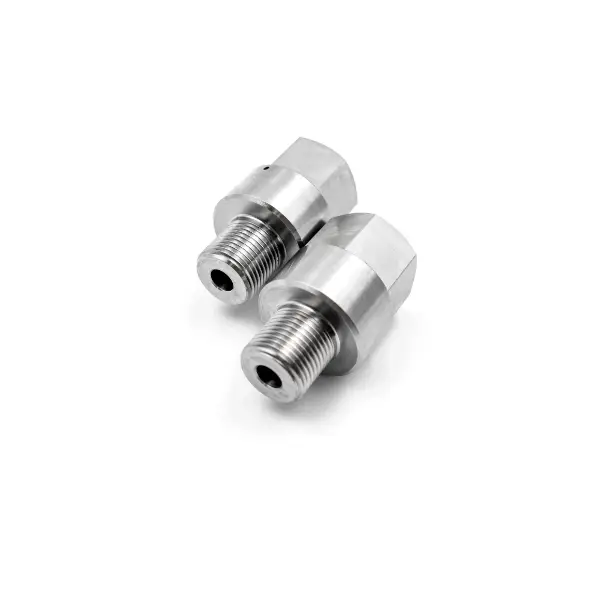
The Waterjet High Pressure Adapter is a metal adapter that has been precision-machined for use with a compatible high pressure waterline connection for water jet equipment. The illustrations of the products depict two cylindrical objects with external male threads and internal female threaded ports, along with the presence of hexagonal wrench flats and machined shoulders. These connection features are equally all-important when considering a replacement fitting. The Buyer shall verify the original part number before ordering and should be aware of the following: the thread specifications, the geometry of sealing seats, the material, the pressure rating, and the equipment compatibility. KAD answers to the technical enquirements and B2B sourcing of replacement parts.
- Male and Female Threaded Connections
- Hexagonal Wrench Flat Design
- Machined Shoulder and Axial Passage
- Thread Size and Replacement Matching
Share:


- Description
- Specification
- Application
- FAQS
Description – High Pressure Adapter Structure and Connections
A high pressure adapter is a connection fitting used in a specified high-pressure piping arrangement.
In waterjet equipment, compatible adapters may connect high-pressure waterline components that require particular male and female connection interfaces.
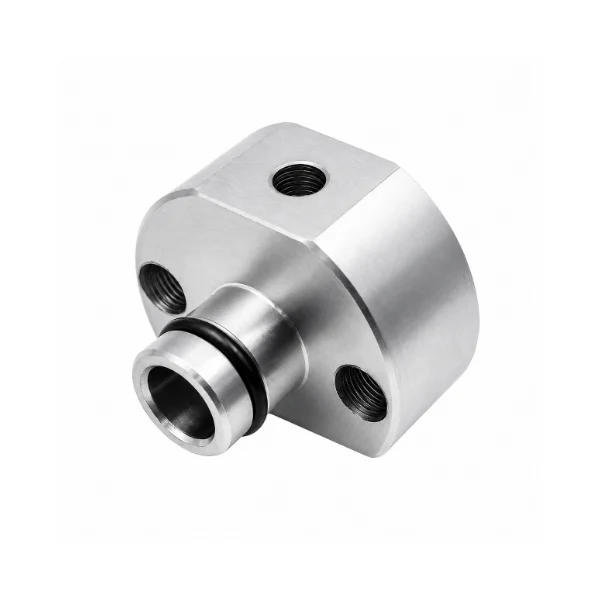
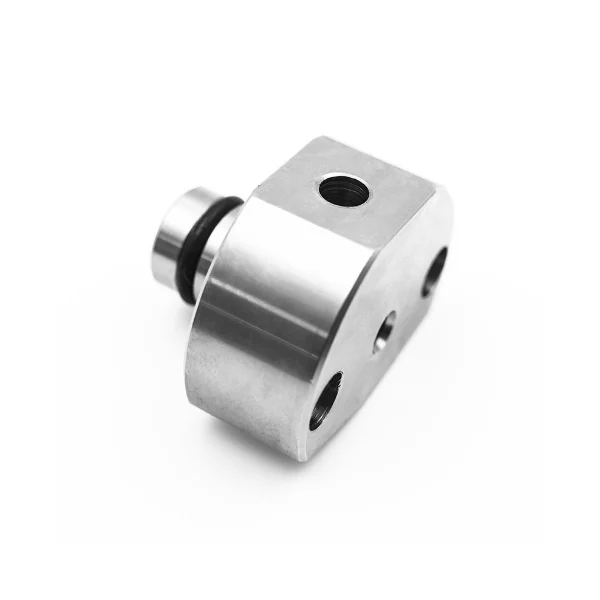
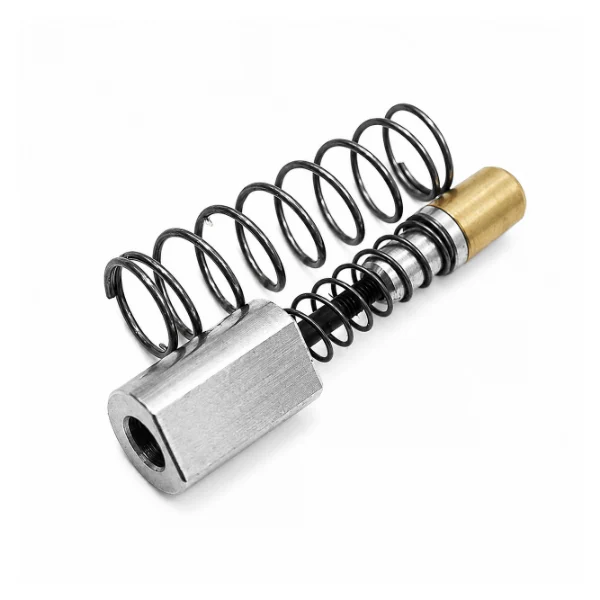
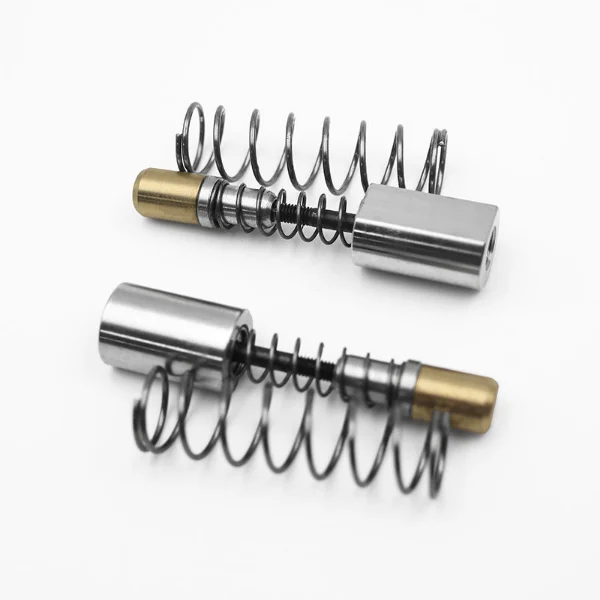
The KAD product photographs show two compact machined metal fittings with externally threaded cylindrical ends and larger hexagonal female connection ends.
A smooth circular shoulder separates the threaded male section from the main body.
The hexagonal portion provides an external profile that can be identified and measured during replacement assessment.
An axial opening is also visible at the end of the male connection.
Correct component selection depends on the original connection standard, mating fittings, sealing geometry, and approved pressure specification.
The product should not be treated as a check valve, sealing head, or gland nut without verification of its internal structure and original part number.
External Male Thread
One end of the photographed fitting features an externally threaded cylindrical section.
This male connection is a primary identification feature of the component.
The correct thread must match the specified mating high-pressure connection.
Important parameters include the external thread designation, major diameter, pitch, thread form, engagement length, and the geometry of any applicable sealing surface.
A similar-looking external thread does not guarantee that two fittings are interchangeable.
Buyers should use the original component specification or an approved engineering drawing to confirm the connection.
Internal Female Thread
The opposite end of the fitting includes a hexagonal section with a visible internal threaded opening.
The female connection must match the intended mating tube fitting or equipment port.
Its required dimensions may differ from those of the male connection.
Relevant specifications include the internal thread designation, pitch, depth, engagement requirements, and the applicable sealing interface.
The adapter's connection arrangement should be described using the actual male and female end specifications.
A male-female fitting should not automatically be described as a size-reducing adapter until the two connection sizes have been confirmed.
Hexagonal Body and Machined Shoulder
The KAD photographs show a larger hexagonal section at one end of each metal fitting.
This external profile provides a useful geometric feature for component identification and may serve as a designated tool-engagement surface according to the original assembly design.
A smooth cylindrical shoulder is visible between the main body and the male threaded end.
The relevant external dimensions include the body length, shoulder diameter, shoulder thickness, flat-to-flat width, and overall fitting length.
These characteristics help determine mounting clearance and replacement fit.
Approved tightening procedures and tool requirements must follow the original equipment instructions.
Axial Passage and Sealing Interfaces
An axial opening is visible through the male threaded end of the photographed component.
The precise internal passage and any additional internal features cannot be determined from the product photographs alone.
In high-pressure fitting systems, the threaded connection and the pressure sealing interface may perform different functions.
Depending on the original design, sealing may involve a specified cone-and-thread interface, a dedicated seat, or another approved connection geometry.
It is important not to assume that the threads themselves create the complete high-pressure seal.
Before selecting a replacement, buyers should verify the actual connection standard, seating geometry, surface requirements, and rated operating conditions.
High Pressure Adapter vs. Check Valve Assembly
A high pressure adapter and a check valve assembly are different types of components.
An adapter is used to connect specified piping or equipment interfaces.
A check valve is designed to allow flow in one direction while restricting reverse flow according to the original valve design.
A check valve assembly may contain internal functional components such as a poppet, ball, seat, or spring, depending on the model.
The existing KAD listing mentions check valves, sealing heads, outlet bodies, and gland nuts together.
The exterior photographs are not sufficient to confirm whether any non-visible internal valve components are present.
The original part number and internal component documentation should therefore be checked before the final product classification is established.
Thread and Connection Matching Checklist
Before purchasing a replacement adapter, verify both connection ends and the original installation requirements.
| Connection Item | What to Confirm | Purpose |
|---|---|---|
| Original Part Number | Manufacturer or supplier reference | Identifies the intended component |
| Male Connection | Thread size, pitch, form and length | Confirms external thread fit |
| Female Connection | Thread size, pitch, form and depth | Confirms internal thread fit |
| Sealing Interface | Seat type and mating geometry | Checks the approved pressure connection |
| Axial Passage | Specified passage dimensions | Confirms the required internal configuration |
| Body Dimensions | Length, shoulder size and outer diameter | Checks available installation space |
| Hexagonal Flats | Flat-to-flat width | Identifies the fitting and approved tool interface |
| Material Grade | Original material specification | Supports material compatibility review |
| Pressure Rating | Verified product-specific rating | Confirms suitability for the intended equipment |
| Equipment Reference | Pump, waterline or machine model | Supports correct replacement selection |
Use the original equipment documentation and approved component drawing to establish the correct specifications.
A matching external appearance alone does not establish safe high-pressure compatibility.
Why Choose KAD for High Pressure Adapter Parts?
| Item | Specification |
|---|---|
| Product Type | Waterjet Pump Check Valve Parts |
| System Type | Waterjet Intensifier Pump |
| Function | High-pressure flow control & sealing |
| Working Pressure | Up to 60,000 PSI / 420MPa |
| Operation Mode | Continuous reciprocating cycle |
| Material | High-strength alloy steel / stainless steel |
| Sealing Structure | Multi-stage high-pressure sealing |
| Application | Industrial waterjet cutting systems |
1. Waterjet High-Pressure Waterline Connections
High pressure adapters may be used in approved waterjet plumbing arrangements where the specified male and female interfaces are required.
The selected fitting must correspond to the original connection geometry, sealing design, material, and rated operating conditions.
2. Pump and Waterline Maintenance
Maintenance teams may need to replace damaged or unsuitable connection fittings during servicing of a compatible waterjet system.
The original equipment part reference and both connection specifications should be checked before purchasing.
High-pressure connections must only be inspected or serviced after the machine has been shut down, isolated, and fully depressurized according to its maintenance procedure.
3. Replacement Thread Configuration Matching
An existing fitting may need to be identified using its male thread, female thread, body dimensions, and sealing interface.
Adapters with similar appearances may have different thread pitches, connection standards, and pressure seats.
An unsuitable connection must not be installed merely because the threads appear to engage.
4. High-Pressure Fitting Inventory Management
Waterjet service companies and industrial distributors may stock different adapter configurations for maintenance requirements.
Each inventory item should be identified using its original part reference and both connection specifications.
Separating fittings by verified connection type helps reduce incorrect substitutions.
5. B2B High-Pressure Connection Parts Procurement
Industrial purchasing teams can submit requests for replacement adapters using original part numbers, drawings, equipment models, and required quantities.
KAD can review these references and discuss available product configurations or specification-based sourcing options.
1. What is a Waterjet High Pressure Adapter?
A Waterjet High Pressure Adapter is a fitting used to connect specified high-pressure waterline components in a compatible waterjet system. Male-female versions have an externally threaded end and an internally threaded connection. The correct replacement must match both connection specifications, the pressure sealing geometry, and the original equipment requirements.
2. How do I identify the male and female thread sizes?
The male and female connections should be identified using the original part number, manufacturer specifications, or an approved component drawing. Important details include thread diameter, pitch, form, engagement dimensions, and the applicable sealing interface. Thread dimensions should not be guessed from a photograph, and thread engagement alone does not confirm safe high-pressure compatibility.
3. Does a male-female adapter always connect two different thread sizes?
No. A male-female adapter can be specified with different end sizes, but not every fitting is necessarily designed to reduce or increase connection size. The exact male and female specifications must be confirmed for the selected product. Buyers should not assume a size conversion based only on the presence of one external and one internal threaded end.
4. Is a high pressure adapter the same as a check valve assembly?
No. A plain adapter connects specified interfaces, while a check valve provides a defined one-way flow function. Some valve assemblies may have similar external threaded housings. Because the original KAD product description includes check valve terminology, the internal structure and original part number must be verified before confirming the final product type.
5. What should be checked when replacing a high-pressure waterjet fitting?
Check the original part number, both thread specifications, approved sealing geometry, material requirements, pressure rating, and the condition of the mating components. Worn or damaged fitting surfaces may prevent correct installation. All inspection and replacement work should follow the original manufacturer's maintenance procedure after the system has been fully depressurized.
6. What information should I provide when requesting an adapter quotation?
Please provide the original part number, waterjet equipment model, male and female connection specifications, seating requirements, required working pressure, and estimated purchase quantity. Clear photographs, a dimensional drawing, or a reference component can help KAD assess the requested replacement and available supply options.