


Waterjet High Pressure Tube – Formed Stainless Steel Water Lines
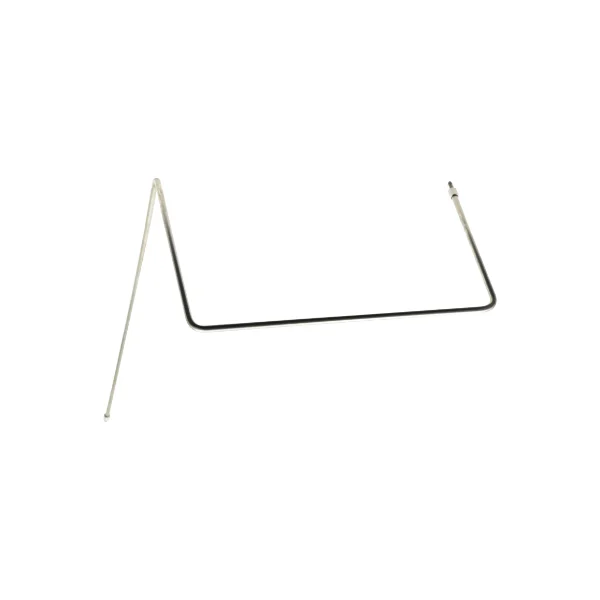
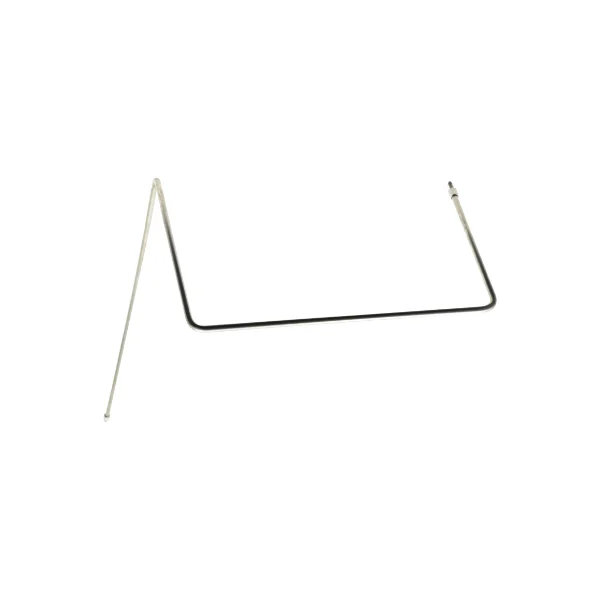
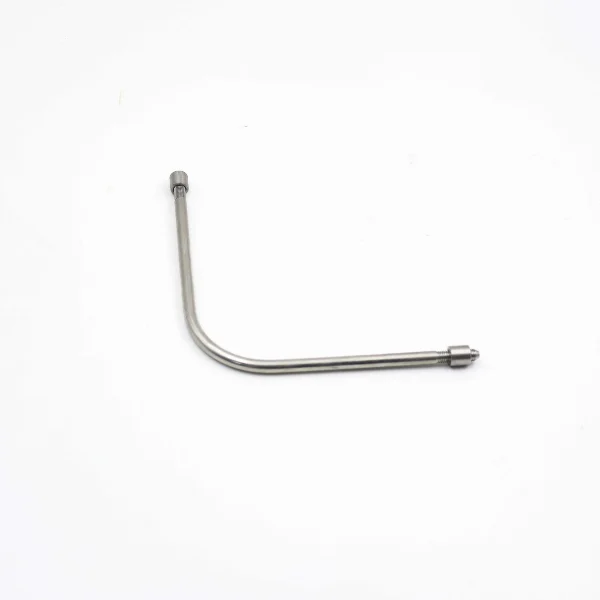
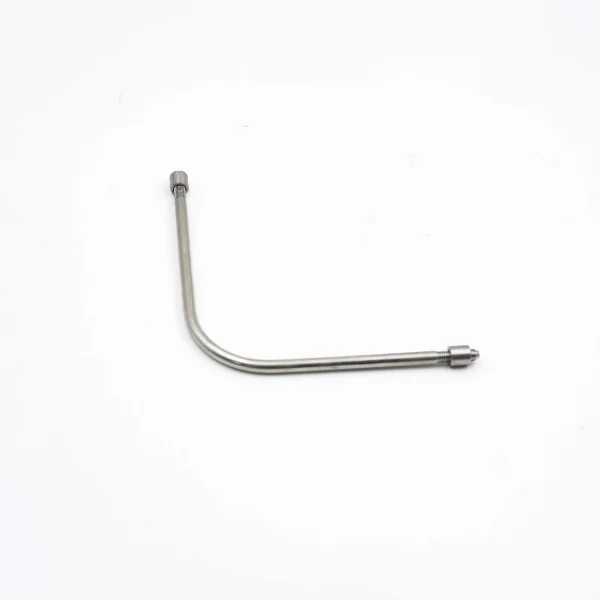
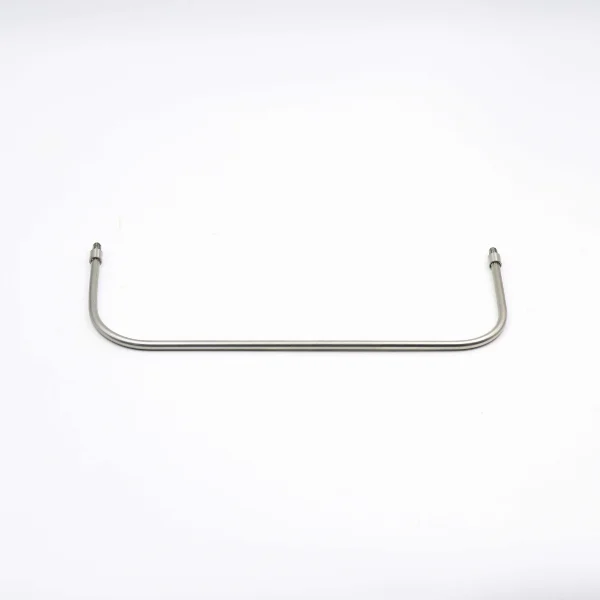
The Waterjet High Pressure Tube is a rigid metal tube designed to have the water-pressure passed through to other compatible parts of the Water Jet Cutting machine. KAD's formed tube configurations are available in various bend profiles such as multiple bends, L-shaped and U-shaped as seen in the product photographs. These tubes are utilized for high waterline replacement and are used for equipment connection requirements. The following details should be verified prior to ordering: diameter of the tube, bending geometry, end connections, material, and tube rated working pressure.
- Precision-Formed Tube Bends
- High-Strength Stainless Steel
- High-Pressure Connection Ends
- Custom Tubing Configurations
Share:


- Description
- Specification
- Application
- FAQS
Description – Bent High Pressure Tubing for Waterjet Systems
Waterjet high pressure tubes are rigid piping components used in the high-pressure water circuit of industrial waterjet cutting machines.
They provide a connection between compatible high-pressure components, such as intensifier outlets, manifold connections, and other designated sections of the pressurized water system.
Unlike flexible hoses, these metal tubes maintain a defined geometry to follow a specific equipment layout.
The products shown on this page include multiple bent configurations with formed metal connection ends. Each design must correspond to the intended installation route and connection arrangement.
KAD supports inquiries for replacement tubing and drawing-based manufacturing requirements.
Tube Bending Geometry and Routing
The bending profile is an important feature of a formed high-pressure tube.
Waterjet equipment may require straight sections, right-angle bends, return bends, or more complex tube shapes to connect components positioned at different locations.
The product photographs show several configurations:
- Multi-Bend Tube: A longer formed tube with multiple directional changes for a specific routing arrangement.
- L-Shaped Tube: A compact tube with an approximately 90-degree bend between its connection ends.
- U-Shaped Tube: A formed tube with two return bends and upward-facing end sections.
These configurations represent different tube geometries and should not be assumed to be interchangeable.
For replacement selection, technicians should compare the original tube's bend locations, centerline dimensions, overall length, and required installation clearance.
Tube Ends and Connection Compatibility
The ends of a high-pressure tube must match the specified connection system.
Depending on the equipment design, high-pressure tubing may require specially prepared sealing ends, threaded connections, glands, collars, or compatible fittings.
The photographs show formed metal end sections, but the precise connection standard cannot be determined from the images alone.
Buyers should verify the original tube end preparation, mating fittings, connection dimensions, and applicable pressure requirements.
Incorrectly matched connection components can create serious safety risks in a high-pressure system.
Tubing Dimensions and Pressure Requirements
High-pressure waterjet tubing must be selected according to the operating requirements of the intended equipment.
Important dimensions include the outside diameter, inside diameter, wall thickness, overall developed length, and individual bend locations.
The material specification and rated working pressure must also correspond to the original machine requirements.
KAD's current product listing identifies high-strength stainless steel and precision bending as product characteristics. However, the exact material grade and working pressure of each illustrated tube configuration require confirmation.
Customers should provide the original tubing specifications or approved technical drawings for replacement evaluation.
Waterjet High Pressure Tube vs. Hydraulic Tubing
High-pressure water tubing and hydraulic tubing serve different fluid circuits.
Waterjet high-pressure tubes carry pressurized water within the cutting system. Hydraulic tubing carries hydraulic fluid within the equipment's hydraulic drive or control circuit.
These components may have different pressure ratings, connection designs, material requirements, and installation specifications.
They should never be selected as interchangeable parts solely because they have similar external dimensions.
Engineering Strength & Manufacturing Capability
1. Tube Bending Geometry Control
Formed tubing must follow the specified routing profile.
Relevant inspection points include bend angle, bend radius, straight-section length, and centerline position.
These requirements should be evaluated against the original tubing or approved engineering drawing.
2. Tube Diameter and Wall Thickness Inspection
The tubing dimensions must correspond to the intended operating conditions.
Outside diameter, inside diameter, and wall thickness are important parameters when selecting a high-pressure water line.
Dimensional acceptance criteria should follow the approved product specification.
3. Connection End Preparation
High-pressure tube ends require appropriate preparation for the intended connection system.
Inspection should focus on end geometry, relevant threads or mating components, sealing contact areas, and visible damage.
The required end preparation must be confirmed before manufacturing or replacement.
4. Pressure Testing and Final Inspection
The existing KAD product description identifies high-pressure leakage testing as part of its manufacturing approach.
For a specific order, applicable testing requirements, test pressure, inspection procedures, and acceptance criteria should be confirmed according to the component specification.
Only approved tubing with suitable pressure ratings should be installed in a high-pressure waterjet system.
Why Choose KAD for High Pressure Tubing?
| Item | Specification |
|---|---|
| Product Type | AC High Pressure Tube |
| System Type | Waterjet Cutting Machine |
| Function | High-pressure water transmission |
| Material | High-strength stainless steel |
| Manufacturing Process | Precision bending + finishing |
| Pressure Test | High-pressure leakage test |
| Feature | Stable pressure delivery |
| Application | Industrial waterjet systems |
1. Waterjet Intensifier Pump Connections
Formed high-pressure tubing can be used in compatible connections between designated waterjet pump components and the high-pressure water circuit.
The tubing must match the intended pressure rating, original connection arrangement, and equipment-specific routing geometry.
2. High Pressure Waterline Replacement
During equipment maintenance, rigid water lines may require replacement due to identified damage, leakage, or failure to meet inspection requirements.
The replacement tube must match the original dimensions, bends, end fittings, and approved pressure specifications.
3. Compact Waterjet Pipe Routing
L-shaped and U-shaped tube configurations can provide fixed routing arrangements within compatible equipment layouts.
These designs should be selected according to actual mounting positions, connection locations, and installation clearance.
4. Waterjet Pump Rebuilding and Maintenance
High-pressure tubing may be inspected when servicing a waterjet intensifier or related high-pressure piping system.
Technicians should inspect tube surfaces, connection ends, mounting conditions, and relevant adjacent fittings according to the equipment manufacturer's maintenance procedures.
5. Custom High Pressure Tubing Procurement
Equipment manufacturers, maintenance contractors, and spare parts distributors may require formed tubing based on original samples or technical drawings.
KAD can review the requested dimensions, bending configuration, material specifications, connection requirements, and purchasing quantities for manufacturing feasibility and quotation.
1. What is a Waterjet High Pressure Tube?
A Waterjet High Pressure Tube is a rigid metal tube used to transfer pressurized water between compatible components of a waterjet cutting system. It may be supplied in straight or bent configurations depending on the equipment layout. Proper selection requires matching the tube dimensions, pressure rating, and end connection specifications.
2. What is the difference between straight and bent high-pressure tubing?
Straight high-pressure tubing follows a linear path, while bent tubing has a formed profile to connect components at different positions or orientations. Bent tubes may include L-shaped, U-shaped, or multi-bend designs. The required geometry depends on the original waterjet machine configuration and installation requirements.
3. Can bent high-pressure tubes be customized for different waterjet machines?
Custom tubing requirements can be evaluated using engineering drawings, original component samples, and equipment specifications. Important information includes tube diameter, material, pressure rating, bend angles, bend radius, overall dimensions, and end connections. Manufacturing feasibility must be confirmed before production.
4. What pressure rating is required for waterjet high-pressure tubing?
The required pressure rating depends on the specific waterjet equipment and its approved high-pressure system design. Tubing must be rated for the intended operating conditions and compatible with the connection system. Buyers should not assume that a tube is suitable for 60,000 PSI or 90,000 PSI without verified product documentation.
5. What should be checked when replacing a bent waterjet tube?
Verify the original tube's outside and inside diameters, wall thickness, bend geometry, length, connection ends, material, and rated pressure. Inspect the existing installation for damage or unsuitable fittings, and follow the equipment manufacturer's depressurization, inspection, and installation procedures. High-pressure repairs should be performed by qualified personnel.
6. What information is needed to order a replacement high-pressure tube?
Provide the waterjet machine model, original part number, tube dimensions, bending drawing, connection specifications, required working pressure, and order quantity. Clear photographs or a reference sample can help KAD identify the correct configuration and evaluate replacement or OEM manufacturing requirements.