


Waterjet Hydraulic Piston for Intensifier Drive Systems
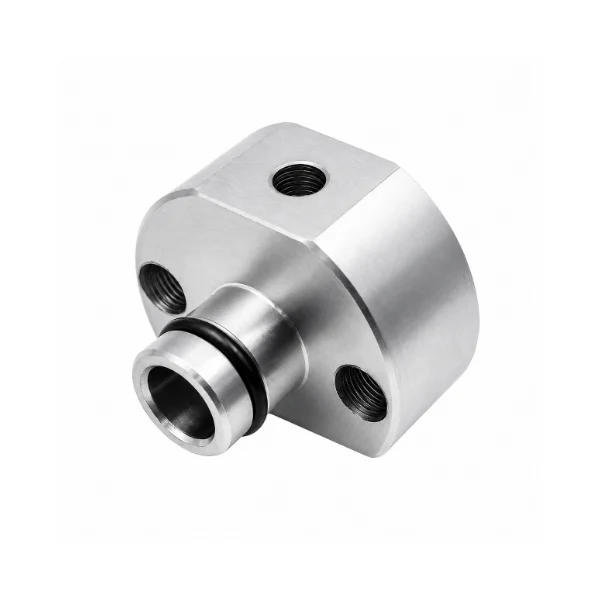
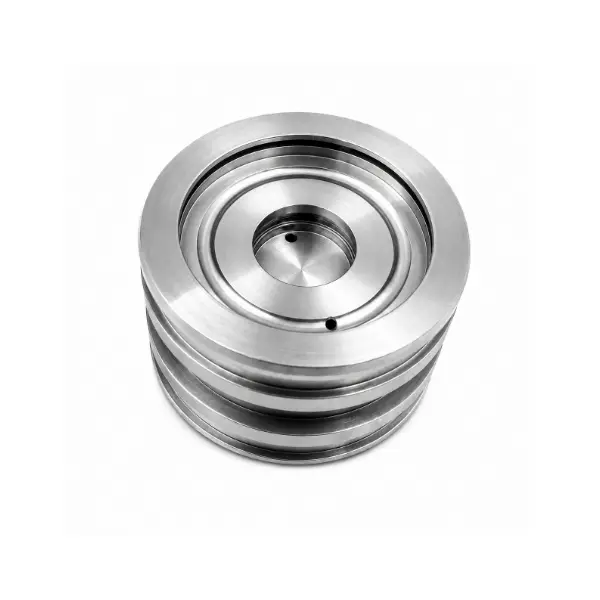
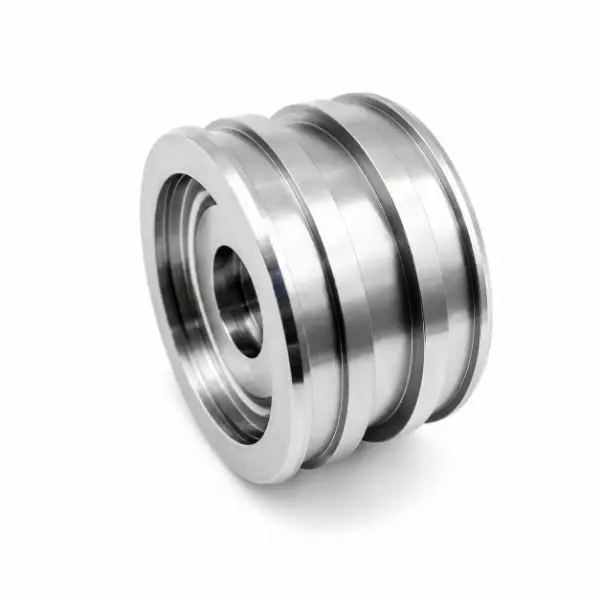
The Waterjet Hydraulic Piston is a waterjet intensifier pump hydraulic drive section machined component. Metal body, illustrated, with grooves of the circumference and a central opening; with recessed features on each end face. There are hydraulic seals, wear bands and plungers that are joined by the piston depending on the original pump design to transfer reciprocating force. KAD provides replacement parts for industrial pump servicing. Purchasers are encouraged to confirm the part number supplied, pistons dimensions, seal configuration and compatible intensifier model prior to purchasing.
- Machined Piston Body
- Circumferential Ring Grooves
- Central Mounting Bore
- Intensifier Drive Replacement
Share:


- Description
- Specification
- Application
- FAQS
Hydraulic Piston for Waterjet Intensifier Pump Servicing
A hydraulic piston is a drive component positioned inside the hydraulic cylinder of a compatible waterjet intensifier pump.
During operation, hydraulic pressure acts on the piston, producing reciprocating movement. This motion is transmitted to the associated plunger assembly, which performs the water pressurization process.
The piston operates within the hydraulic section of the intensifier. It should not be confused with the high-pressure water seals installed in the water-pressure section.
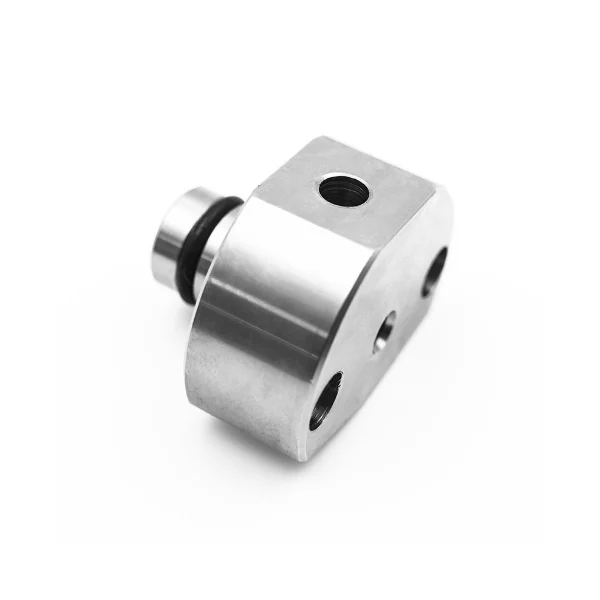
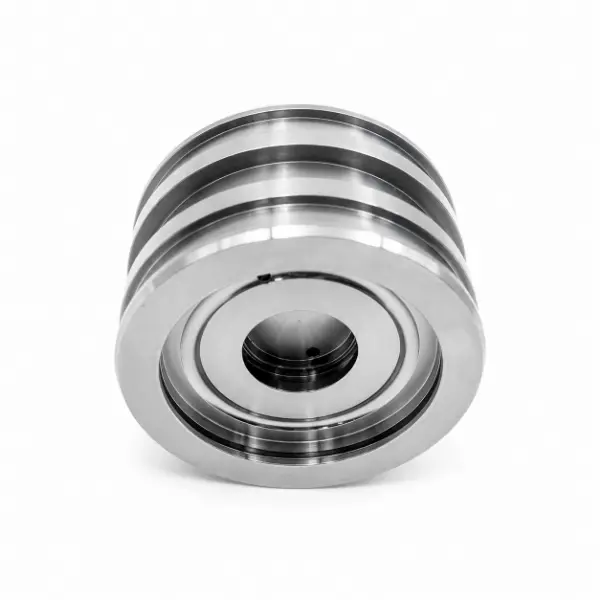
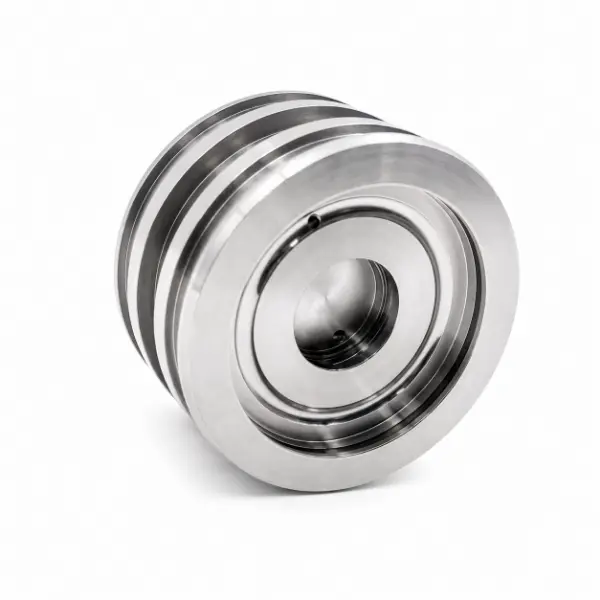
The product photographs show a machined cylindrical metal component with multiple circumferential grooves, a central opening, and recessed end-face geometry.
When sourcing a replacement, buyers should compare the original part number, cylinder dimensions, groove arrangement, piston mounting features, and seal configuration.
Key Features of the Waterjet Hydraulic Piston
01. Machined Cylindrical Body
The component has a round metal housing with defined outer diameters and end-face features. Its dimensions must correspond to the original hydraulic cylinder arrangement.
02. Circumferential Ring Grooves
Multiple grooves are visible around the piston body. Their dimensions and spacing should match the required sealing and guiding component configuration.
03. Central Mounting Opening
The piston includes a central opening and recessed internal features. Their geometry must match the original plunger or connecting component arrangement.
04. Intensifier Replacement Application
The component can be evaluated as an individual replacement part during intensifier servicing, provided its dimensions and supplied accessories match the required configuration.
How the Hydraulic Piston Works in an Intensifier Pump
The hydraulic piston is part of the drive mechanism that allows an intensifier pump to generate high-pressure water.
Hydraulic oil acts on the drive piston inside the hydraulic cylinder.
As the piston moves, it transfers mechanical force through the connected plunger arrangement. The plunger movement pressurizes water in the corresponding high-pressure cylinder.
The hydraulic control system reverses the piston travel as the intensifier reaches the appropriate end-of-stroke condition.
The hydraulic piston, plunger, high-pressure cylinder, and associated seals therefore perform different functions within the pump assembly.
The exact pressure ratio, piston travel, and connection arrangement depend on the intensifier model.
Hydraulic Piston Ring Grooves and Seal Configuration
The circumferential grooves visible on the illustrated piston are important features for replacement identification.
Depending on the original pump design, hydraulic piston assemblies may use seals, backup rings, wear bands, or other guiding components.
Outer Groove Dimensions
Groove width, depth, diameter, and position must correspond to the intended seal or guide arrangement.
Groove Edge Condition
Groove edges should be checked for burrs, deformation, and damage that could interfere with component installation.
Seal and Wear Band Compatibility
The replacement piston should accept the sealing and guiding parts specified for the original pump configuration.
Assembly Configuration
Some suppliers offer a bare piston, while others offer a piston assembly with seals or wear bands already installed.
Buyers should confirm which components are included before ordering.
A similar-looking piston should not be substituted without checking its groove layout and associated seal arrangement.
Central Bore and Plunger Connection Features
The illustrated hydraulic piston includes a central opening and concentric recessed surfaces at its end faces.
In compatible intensifier designs, the central region provides interfaces related to the plunger or connecting assembly.
The dimensions of these features are important for replacement compatibility.
Relevant inspection items may include:
- Central opening diameter
- Internal recess diameter and depth
- End-face geometry
- Locating shoulder dimensions
- Retaining component interfaces, where applicable
- Concentricity requirements
- Original plunger connection configuration
Small openings visible in the product photographs should not be assigned a specific operating function without the approved drawing.
The original parts diagram should be used to confirm how the piston connects to the corresponding assembly.
Waterjet Hydraulic Piston vs. High-Pressure Seal Assembly
A hydraulic piston and a high-pressure seal assembly are different components.
Hydraulic Piston
A mechanical drive component that receives hydraulic force and transfers reciprocating movement to the corresponding intensifier plunger arrangement.
Hydraulic Piston Seals
Sealing components installed in the hydraulic drive section according to the original piston design.
High-Pressure Seal Assembly
A sealing arrangement used at specified high-pressure water interfaces within the intensifier.
Piston and Plunger Assembly
A larger assembly containing the hydraulic piston and associated plunger components according to the equipment configuration.
These component categories should not be used interchangeably.
When requesting replacement parts, buyers should specify whether they need the piston body, the hydraulic seals, or the complete piston-and-plunger assembly.
Bare Hydraulic Piston vs. Assembled Replacement
The supply configuration is particularly important for hydraulic piston procurement.
Bare Piston
A standalone piston body supplied without separate hydraulic sealing and guiding components.
Piston with Installed Seals
A piston supplied with specified sealing or guiding components, depending on the product design and quotation.
Piston and Plunger Assembly
An assembly containing additional parts used to transmit the piston's movement to the high-pressure water section.
The illustrations on this page show a machined cylindrical component. However, the exact supplied seals, bands, or retaining parts cannot be established from the photographs alone.
The quotation should identify the included components and their quantities.
Hydraulic Piston Replacement Compatibility
Before selecting a replacement hydraulic piston, maintenance companies should verify its compatibility with the original equipment.
Important information includes:
- Intensifier manufacturer and model
- Original piston part number
- Hydraulic cylinder bore diameter
- Piston outside diameter
- Overall piston thickness or length
- Circumferential groove dimensions
- Central bore and mounting geometry
- Required seals and wear bands
- Material and surface specifications
- Complete supply configuration
Different intensifier generations may use different piston and seal arrangements even when the equipment belongs to the same manufacturer.
Component appearance alone is not sufficient to establish interchangeability.
Why Choose KAD?
| Item | Specification |
|---|---|
| Product Type | HP Seal Assembly |
| System Type | Waterjet Intensifier Piston System |
| Function | High-pressure sealing interface |
| Working Pressure | Up to 60,000 PSI / 420MPa |
| Operation Mode | Continuous reciprocating cycle |
| Material | High-performance polymer / composite / elastomer |
| Wear Resistance | High abrasion and extrusion resistance |
| Application | Waterjet pump intensifier system |
1. Waterjet Intensifier Hydraulic Drive Repair
Used as a replacement candidate when the hydraulic drive piston requires inspection or replacement during intensifier servicing.
2. Hydraulic Cylinder Maintenance
Relevant to maintenance projects involving piston-to-cylinder fit, bore condition, or associated sliding and guiding components.
3. Hydraulic Piston Seal Replacement
Suitable for servicing situations requiring inspection of the piston grooves together with compatible hydraulic sealing components.
4. Intensifier Piston and Plunger Rebuilds
Can be evaluated as part of a larger rebuild when the hydraulic piston and associated plunger connection components require attention.
5. Waterjet Pump Refurbishment
Relevant to refurbishment projects in which the existing piston is damaged, worn, or unsuitable for reuse according to the approved service criteria.
6. Industrial Spare Parts Procurement
A replacement component category for waterjet maintenance contractors and distributors sourcing pistons by original part number and dimensional specification.
1. What does a waterjet hydraulic piston do?
The hydraulic piston receives force from hydraulic oil inside the intensifier drive cylinder. Its reciprocating movement is transmitted to the connected plunger arrangement, which pressurizes water in the high-pressure section. The piston and high-pressure water seals perform different functions.
2. Is a hydraulic piston the same as a high-pressure seal assembly?
No. The hydraulic piston is a mechanical drive component. A high-pressure seal assembly contains parts used for sealing specified high-pressure water interfaces. Hydraulic piston seals are another component category associated with the hydraulic drive section.
3. What are the grooves around a hydraulic piston used for?
Depending on the original design, the external grooves may accommodate sealing or guiding components such as piston seals, backup rings, or wear bands. Their dimensions and component arrangements must be confirmed using the correct pump documentation.
4. Are hydraulic piston seals and wear bands included?
The supplied configuration must be confirmed before ordering. Some replacement products are sold as bare pistons, while others are supplied with selected seals or wear bands. The product photographs do not establish the exact KAD supply package.
5. How can I identify the correct replacement hydraulic piston?
Provide the original piston part number, intensifier manufacturer and model, piston outside diameter, overall length, groove dimensions, central bore specifications, and any relevant drawings or photographs.
6. What should I provide for a bulk hydraulic piston quotation?
Please provide the required quantity, original part number, intensifier model, material requirements, critical dimensions, and desired supply configuration. Indicate whether you need the bare piston or an assembly with seals, wear bands, or other specified parts.