


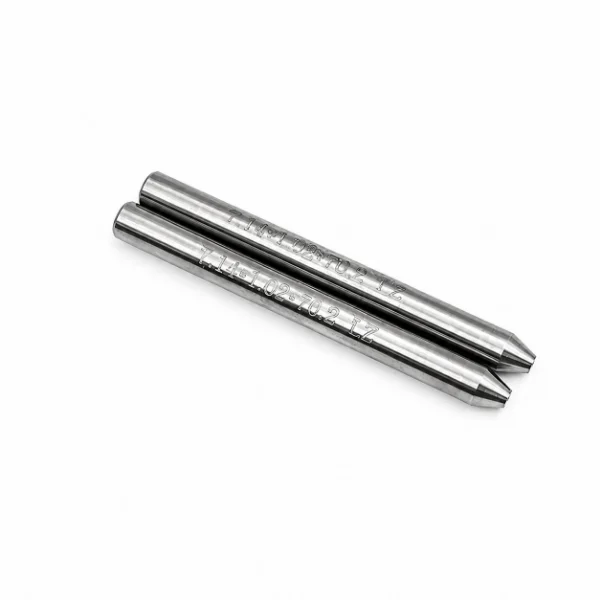
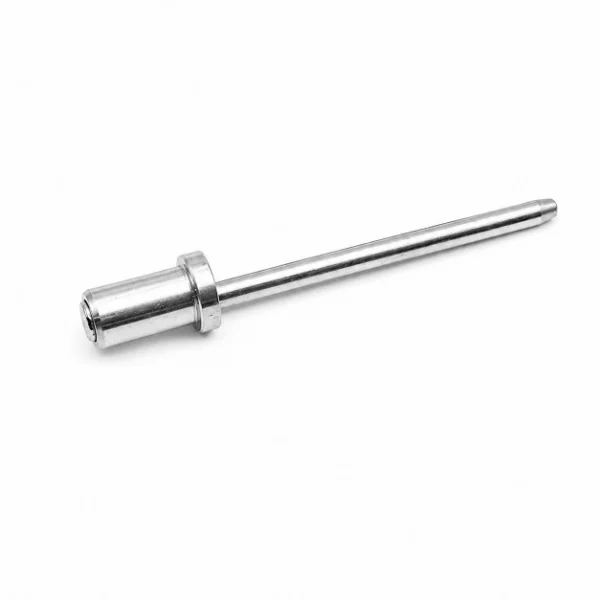
Waterjet Intensifier Shift Pin for Pump Reversing Systems
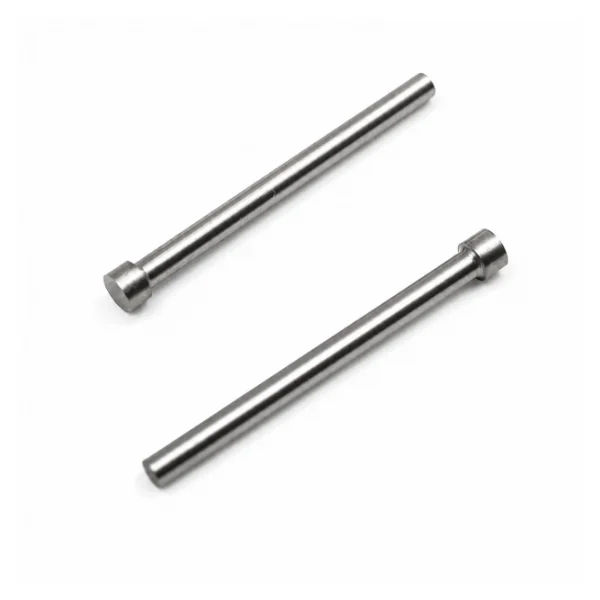
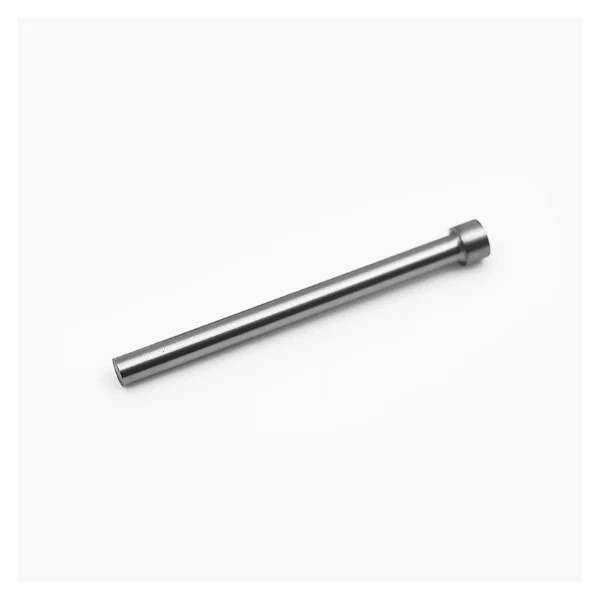
The Waterjet Intensifier Shift Pin is a mechanical actuating part for compatible intensifier pump reversing mechanisms. It can be used to help transfer movement of a piston to the shift control arrangement close to the end of a pump stroke. Bad dimensions, end geometry and fit are critical for proper operation. KAD has replacement components that can be supplied for industrial waterjet pumps, if the shift occurs, maintenance and spare parts procurement. Customers can include original part numbers, photos of the part or parts and the equipment specifications to ensure that the replacement configuration is correct.
- Intensifier Stroke Actuation
- Precision Pin Geometry
- Accurate Replacement Fit
- Pump Reversing Maintenance
Share:


- Description
- Specification
- Application
- FAQS
Replacement Shift Pins for Waterjet Intensifier Pumps
A waterjet intensifier shift pin is a component associated with the stroke-reversing mechanism of a hydraulic intensifier pump.
During operation, the intensifier piston moves repeatedly between the ends of the hydraulic cylinder. The shift mechanism detects or transfers the end-of-stroke movement to initiate a change in hydraulic flow direction.
In compatible designs, a shift pin acts as a mechanical interface between piston movement and the corresponding actuating or sensing arrangement.
Unlike a waterjet nozzle or focusing tube, a shift pin does not direct the high-pressure cutting stream. Its purpose is related to the intensifier's reversing operation.
KAD provides replacement waterjet shift components for maintenance and industrial purchasing requirements. The correct component must be selected according to the original pump design, shift configuration, and dimensional specifications.
Key Features of the Waterjet Intensifier Shift Pin
01. End-of-Stroke Actuation Function
Designed for use in compatible intensifier shifting arrangements where movement near the end of the piston stroke operates the associated control mechanism.
02. Precision Pin Geometry
Pin length, shaft diameter, end profile, and relevant locating features are important for fitting the original installation position.
03. Sliding Interface Compatibility
In designs where the pin moves within a guide bore, the pin and bore must match the manufacturer's requirements for fit and movement.
04. Individual Replacement Component
Shift pins can be evaluated as separate maintenance parts when the existing component is damaged, bent, excessively worn, or otherwise unsuitable for continued use.
How Does an Intensifier Shift Pin Work?
The shift pin is associated with the mechanism that initiates hydraulic flow reversal in a compatible waterjet intensifier.
During a normal pumping cycle, the hydraulic piston moves toward the end of its stroke.
At the appropriate position, the shift pin or related actuating component responds to the piston movement.
The resulting action is transferred through the mechanical shift arrangement or an electronic sensing system, depending on the intensifier design.
The associated control mechanism then initiates the hydraulic valve operation required to reverse piston travel.
The exact sequence and components vary between mechanical and electronic shift systems.
Mechanical vs. Electronic Shift Pin Configurations
Waterjet intensifiers may use mechanical or electronic shifting arrangements.
Mechanical Shift Systems
Mechanical shift designs use an arrangement of actuating components, guide mechanisms, and hydraulic control elements to initiate stroke reversal.
Electronic Shift Systems
Electronic shift designs may use a pin and actuator arrangement to trigger a position sensor. The corresponding control system then operates the hydraulic valve mechanism.
Replacement Compatibility
Although both systems perform a reversing function, their shift pins may differ in dimensions, end geometry, material requirements, and installation arrangements.
A mechanical shift pin should not automatically be substituted for an electronic shift pin, or vice versa.
Buyers should identify the correct original component before ordering.
Critical Dimensions for Shift Pin Replacement
Shift pins are relatively small components, but incorrect dimensions can affect installation and the operation of the shifting arrangement.
Important replacement characteristics include:
- Overall pin length
- Main shaft diameter
- Pin tip geometry
- Head or collar diameter, where applicable
- Head or collar position
- Straightness and visible shaft deformation
- Surface condition and specified material
- Compatibility with the original guide bore and actuation mechanism
The original drawing or part reference should determine the applicable dimensions and tolerances.
Common Shift Pin Wear and Inspection Points
Shift pins should be examined when servicing a reversing mechanism or investigating a suspected shifting problem.
Bent Pin
A visibly bent shaft may interfere with correct movement within the corresponding guide or actuating arrangement.
Damaged Tip
Deformation, scoring, or other damage to the actuating end may affect contact with mating components.
Worn Sliding Surface
Surface wear or damage may increase friction or interfere with movement in designs using a guide bore.
Damaged Head or Collar
Where the design includes an enlarged head or retaining collar, inspect these features for deformation and dimensional changes.
Contamination and Corrosion
Debris, corrosion, and surface contamination should be investigated during component inspection.
Uneven, slow, or failed intensifier shifting may also result from sensors, valves, actuators, guide components, or other hydraulic faults. A shift pin should not be replaced solely on the basis of these symptoms without further diagnosis.
Why Choose KAD?
| Item | Specification |
|---|---|
| Product Type | CNC Waterjet Shift Pin Nozzle |
| System Type | Waterjet Cutting Machine |
| Function | Jet direction control & stabilization |
| Working Pressure | Up to 60,000 PSI / 420MPa |
| Cutting Type | Pure / abrasive waterjet |
| Material | Tungsten carbide / ruby / stainless steel |
| Feature | Long service life wear resistance |
| Application | CNC waterjet cutting systems |
1. Waterjet Intensifier Stroke Reversal
Used in compatible intensifier assemblies where an actuating pin forms part of the mechanism responsible for initiating piston stroke reversal.
2. Mechanical Shift System Maintenance
A replacement component category for mechanical shifting arrangements requiring pin inspection and dimensional matching.
3. Electronic Shift System Servicing
Relevant to compatible electronic shift arrangements where a pin transfers piston movement to an actuator or associated sensing mechanism.
4. Intensifier End-Bell Component Inspection
Used in maintenance procedures involving shift pin access, inspection, or replacement in designs where the pin is installed through an end-bell guide arrangement.
5. Hydraulic Intensifier Repair
Suitable for replacement evaluation during diagnosis of shifting-related problems, provided the defective component is correctly identified.
6. Industrial Waterjet Spare Parts Procurement
An individual spare part category for maintenance contractors and distributors sourcing components by original part number, dimensions, and equipment configuration.
1. What is a waterjet intensifier shift pin used for?
A shift pin is part of the reversing mechanism in compatible waterjet intensifier pumps. It helps transfer movement associated with the end of the hydraulic piston stroke to the appropriate shift control arrangement. It is not a cutting nozzle and does not form the high-pressure water stream.
2. Are mechanical and electronic shift pins interchangeable?
Not necessarily. Mechanical and electronic shift systems can use different pin configurations, dimensions, materials, and actuator arrangements. The original part number and pump configuration should be verified before selecting a replacement.
3. How do I identify the correct shift pin size?
Compare the existing component's overall length, main shaft diameter, end geometry, and head or collar dimensions where applicable. The original equipment part number or approved technical drawing is the preferred reference.
4. What are the symptoms of a damaged intensifier shift pin?
A damaged or binding shift pin may contribute to irregular, incomplete, or failed shifting. However, similar symptoms can be caused by faulty sensors, shift valves, guide components, or hydraulic issues. Diagnosis should include the complete shifting mechanism.
5. Can an intensifier shift pin be replaced separately?
In many intensifier designs, shift pins are serviced as individual components. The correct replacement procedure depends on the pump model, access arrangement, and original manufacturer instructions. Associated guides and actuators should also be inspected when appropriate.
6. What information should I provide when requesting a bulk shift pin quotation?
Please provide the required quantity, original part number, intensifier pump manufacturer and model, shift system type, and component dimensions. Clear photographs or engineering drawings can help KAD review replacement compatibility.