





Waterjet One-Way & Check Valves: Structure, Principle, Classification, Differences & Selection Guide
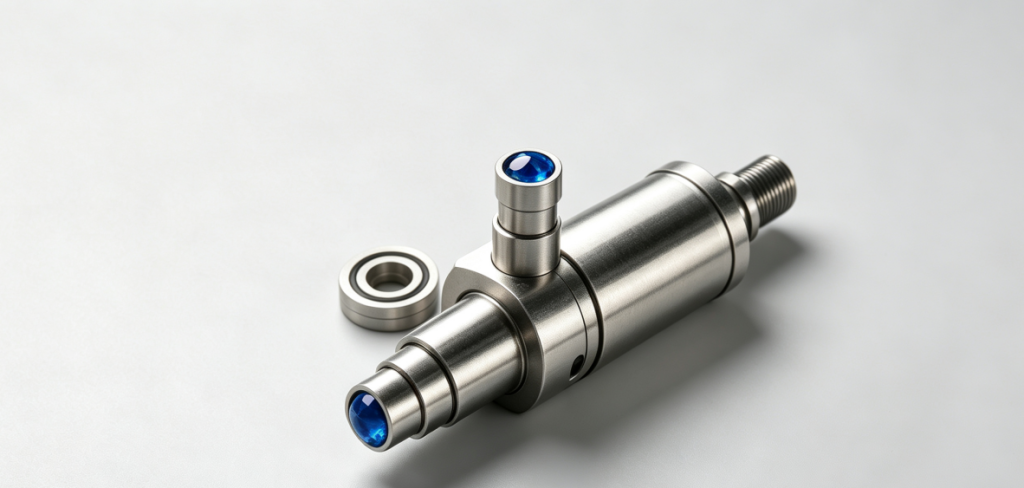
One-way valves and check valves serve as unidirectional control components for the hydraulic and high-pressure water piping systems of waterjet cutting equipment. While the two terms are often used interchangeably, they feature distinct functional differences and are designed for vastly different working scenarios. This article systematically elaborates on their fundamental operating principles, product classifications, and core selection guidelines.
Basic Structure of One-Way Valves & Working Principle of Hydraulic One-Way Valves
Standard one-way valves are the simplest hydraulic components, allowing forward oil flow and blocking reverse flow, similar to diodes in circuits. They are categorized into ball valves and poppet valves; ball valves feature simple structure and low manufacturing cost. Hydraulic one-way valves are equipped with an extra control oil circuit K. They operate as standard one-way valves without control pressure oil; when pressure oil enters the control circuit, the piston push rod opens the spool to realize reverse flow, widely used in waterjet high-pressure locking circuits and mining hydraulic support equipment.
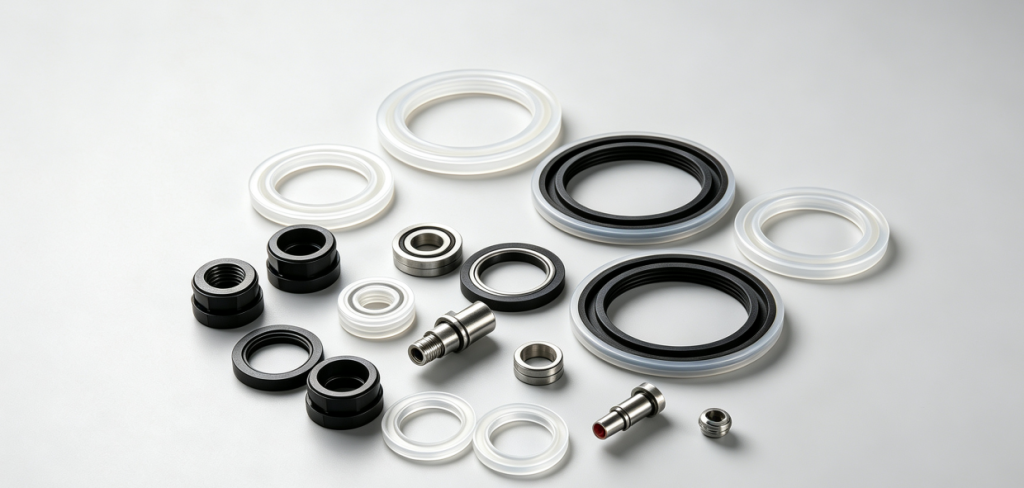
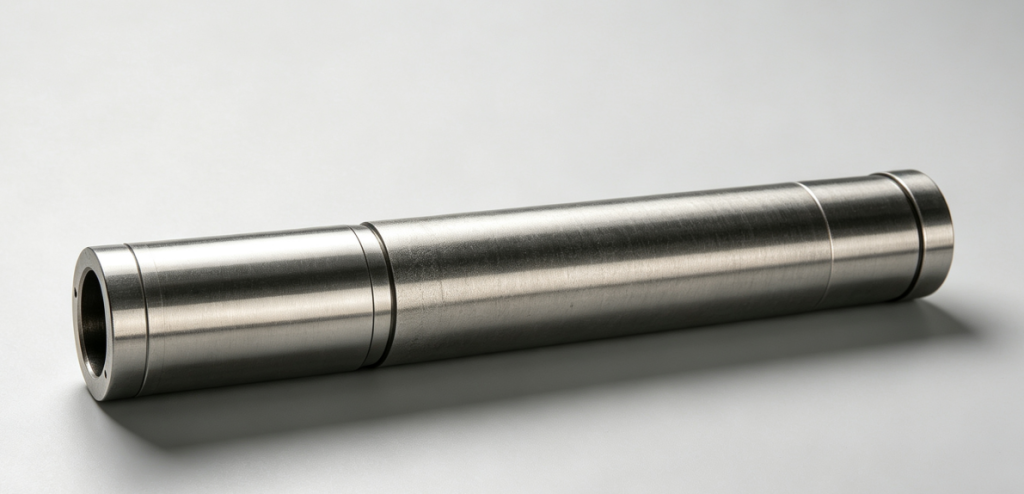
Full Classification of Check Valves
Check valves prevent medium backflow in pipelines, including foot valves and duckbill valves. Three main types are available:
- Lift type: vertical and horizontal subtypes with axially movable spools. Silent lift check valves are used in high-standard water supply pipelines and pump outlets for PN2.5 pressure grade;
- Swing type;
- Wafer type.
Core Differences & Application Scenarios Between Check Valves and One-Way Valves
- Functional distinction: Check valves only guide unidirectional water flow and cannot prevent backflow contamination. Pipeline backflow preventers integrate all functions of check valves, so duplicate check valves are unnecessary if a backflow preventer is installed.
- Application boundary: Check valves apply to water supply pipelines; one-way valves control hydraulic oil for waterjet high-pressure pumps.
- Mandatory installation: Check valves must be installed on pipelines directly connected to municipal water mains to avoid backflow pollution.
