





A Complete Guide to Waterjet Oil Seal Accessories
Oil seals are core mechanical sealing elements applied in rotary sealing equipment of waterjet machines, whose main function is to separate lubricated transmission parts from output parts and stop lubricating oil from seeping out, so as to maintain stable equipment operation and extend the service life of oil seals. This article systematically elaborates oil seal classification, material selection, seal production craft, mounting position design standards and standardized assembly methods based on the actual production and application of waterjet accessories..
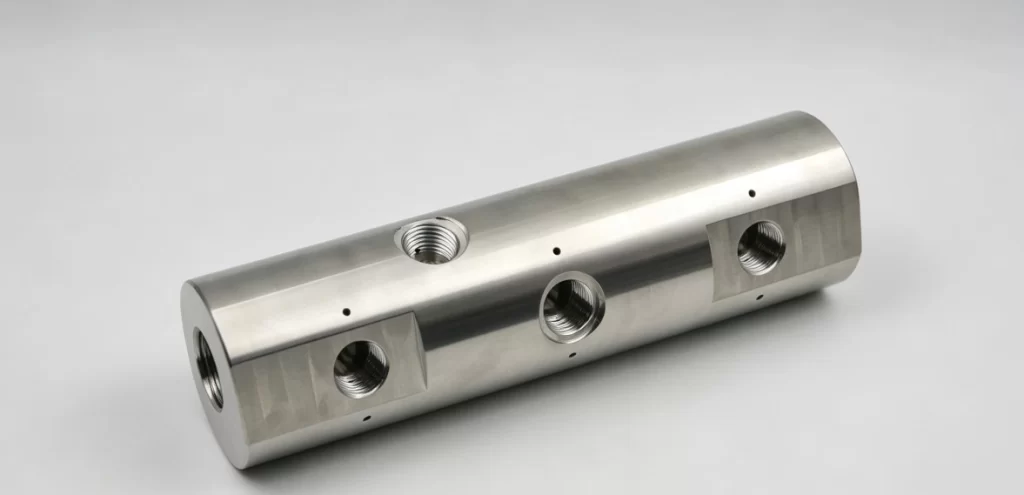
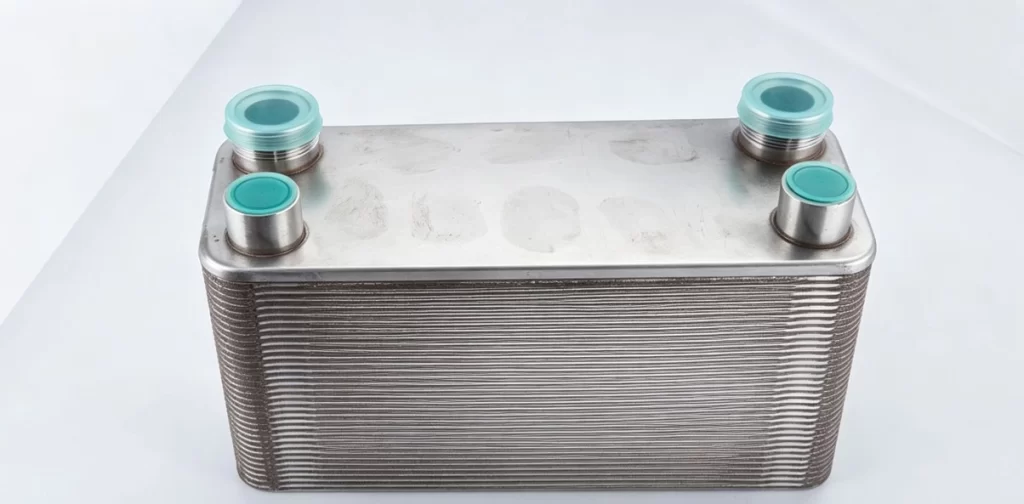
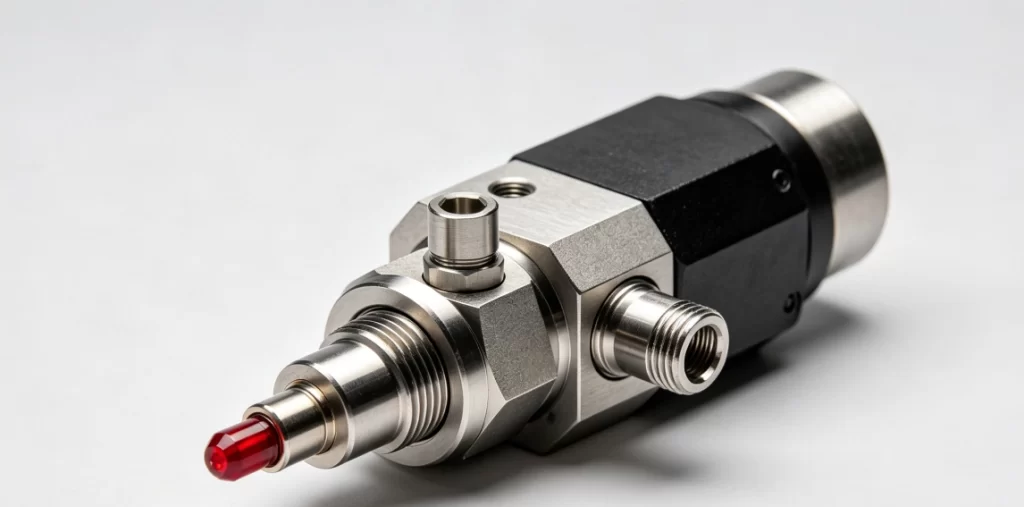
Oil Seal Classification & High-Quality Material Selection
Oil seal is the common general term for lubricating oil seals, which are essential for all rotating boxes filled with liquid lubricant that connect to external components. They are split into two core categories by structure:
- Skeleton oil seal: Double-layer sealing structure fully wrapped in rubber, equipped with built-in self-tightening spring; it is the most widely used oil seal type for waterjet equipment.
- Power oil seal: Oil seal with iron shell outer structure, suitable for heavy-load rotary operation conditions.
To achieve long service life, oil-resistant, wear-resistant and anti-aging rubber formulas are preferred raw materials, which can effectively reduce abrasion and aging damage under long-term high-pressure operation of waterjet equipment.
Key Production Processes of Seals
In the whole production of rubber sealing parts, vulcanization and finished product inspection are the two most labor-intensive and cost-driving working procedures. The complete workflow of the rubber material preparation section is as follows: Raw material incoming inspection → batching → rubber mixing → filtration → vulcanizing agent addition → rubber performance inspection → preforming.
In the whole production of rubber sealing parts, vulcanization and finished product inspection are the two most labor-intensive and cost-driving working procedures. The complete workflow of the rubber material preparation section is as follows: Raw material incoming inspection → batching → rubber mixing → filtration → vulcanizing agent addition → rubber performance inspection → preforming. After raw materials pass strict incoming quality inspection, batching and mixing can be carried out. Manufacturers can choose open mills or internal mixers for mixing according to actual production volume and process requirements. After vulcanization molding, all finished seals need comprehensive appearance and sealing performance inspection to eliminate defective products and guarantee sealing stability.

Design Requirements for Oil Seal Mounting Positions
To make oil seals work normally and reach their rated service life, the matching positions of shafts and holes for oil seal installation must follow special design standards.
Before installing oil seals, designers need to verify the rationality of two core structures: the equipment shaft and the cavity housing hole. The sliding contact zone between the shaft surface and the oil seal lip is the key friction area, whose dimensional tolerance, surface smoothness and structural design directly determine the sealing effect and service life of the oil seal. Unreasonable shaft or hole design will easily lead to oil leakage, premature wear of sealing lips and frequent replacement failures.
Standard Installation Procedures for Oil Seals
Skeleton oil seals are the mainstream type used on waterjet equipment. Correct installation steps are as follows:
- Pre-installation cleaning: Check the inner wall of the housing hole thoroughly, remove all debris, scratches, dust and casting sand grains left during processing; rough surface defects will scratch the oil seal lip during assembly.
- Special tooling pressing: Do not hammer the oil seal directly with hard tools. Dedicated pressing tooling is required to apply even force to install skeleton oil seals, which avoids irreversible deformation of the rubber sealing lip and prevents subsequent oil leakage caused by damaged sealing structure.
